Slovakia’s latest emergency fuel measures have triggered strong criticism from the European Commission, which argues that the policies violate single market rules.
The Slovak government introduced the measures in response to tightening supplies and rising energy prices linked to the war in Iran and the disruption of Russian crude deliveries through the Druzhba pipeline.
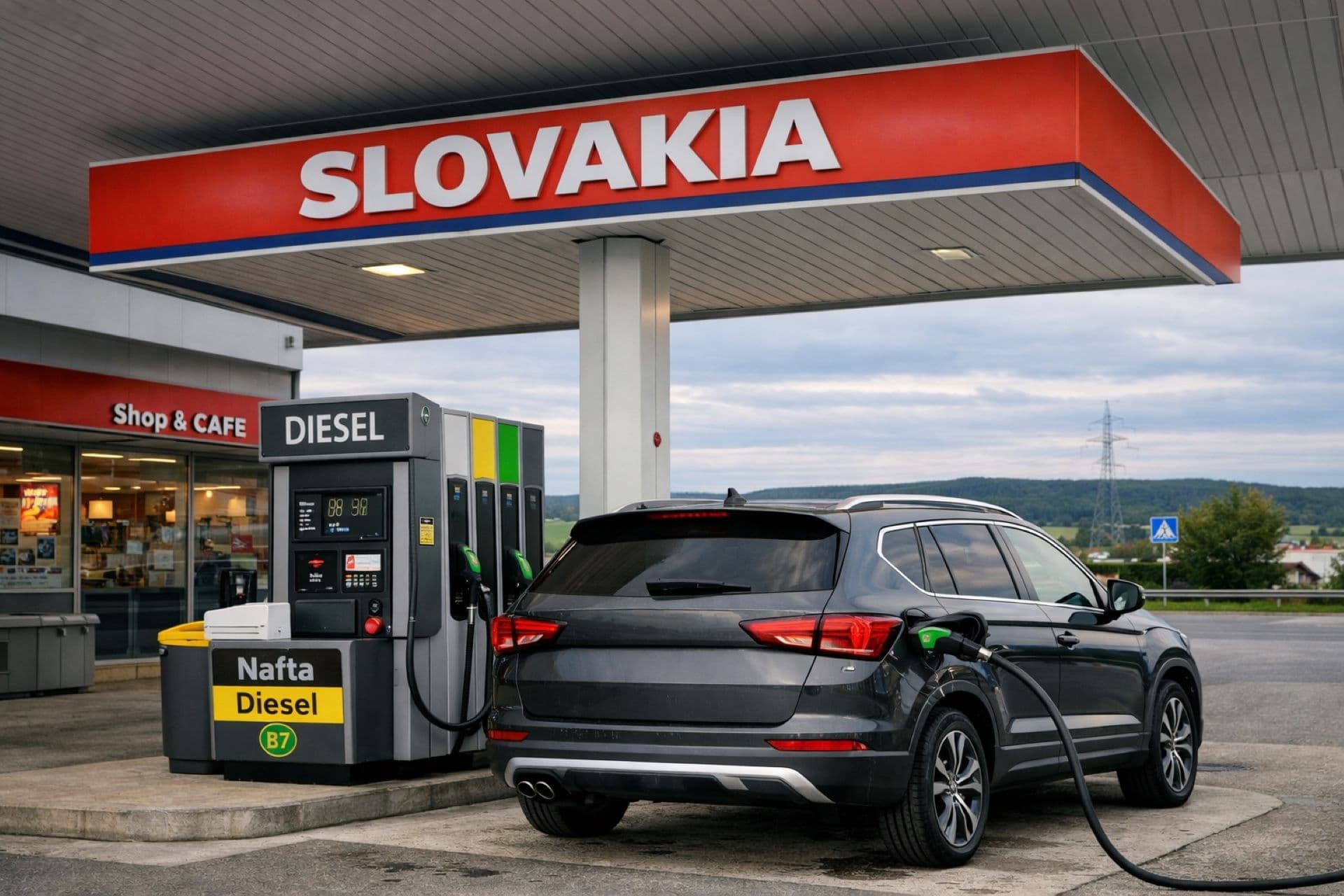
The resolution, valid for an initial 30 days, allows petrol stations to limit diesel sales to a full tank plus ten litres. It also permits higher diesel prices for vehicles with foreign licence plates, calculated using the average prices in neighbouring Austria, the Czech Republic and Poland. Exports of diesel have been restricted as well.
Prime Minister Robert Fico has maintained that the measures are necessary to stabilise supplies and prevent what he describes as fuel tourism. Reports of filling stations in northern Slovakia running dry have added pressure on the government to intervene, with lower domestic prices having drawn motorists across the Polish border. Fico defended the policy as strict but unavoidable in the current circumstances.
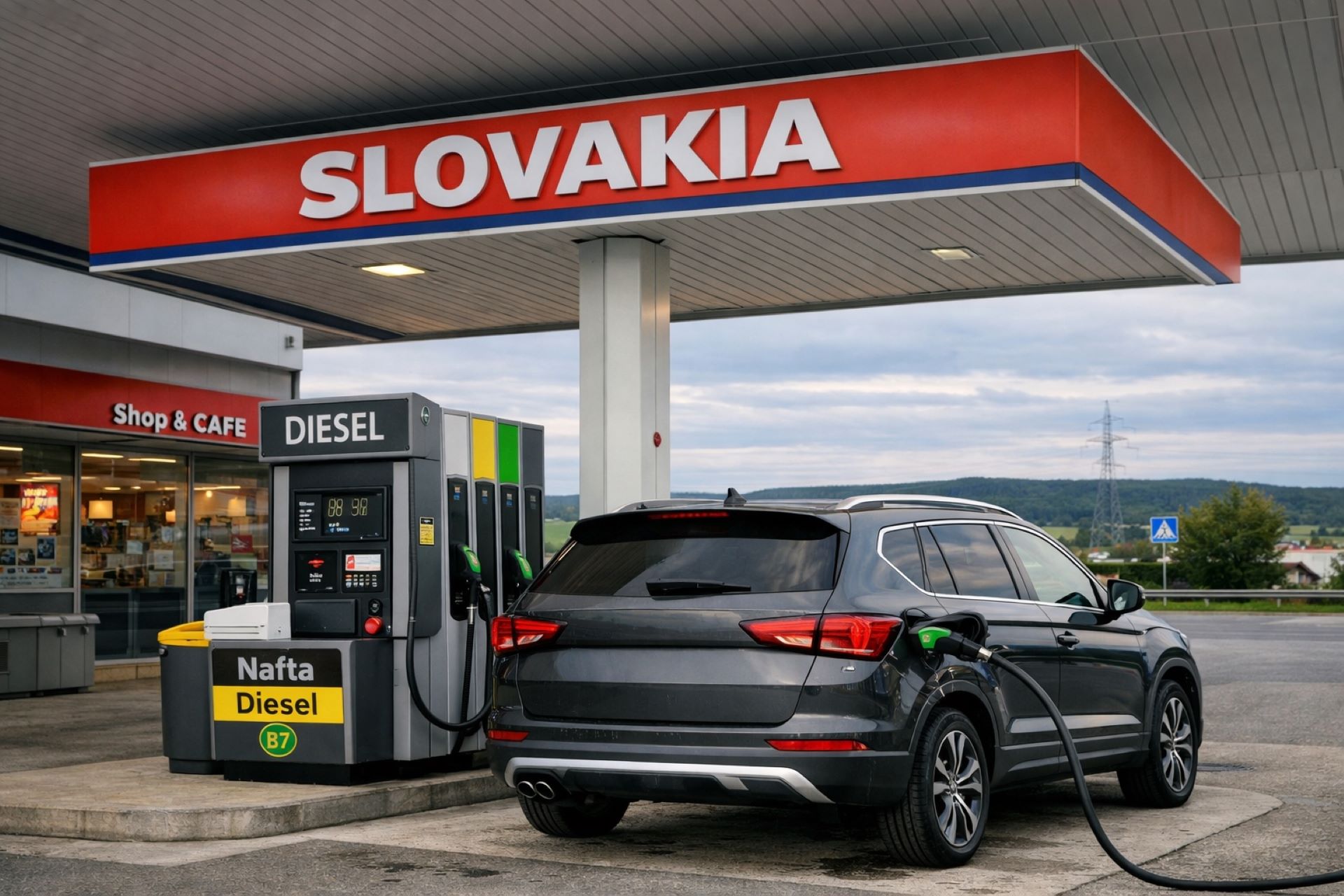
The Commission, however, has warned that the dual pricing system is discriminatory and incompatible with EU law. A spokesperson stated that measures must not differentiate based on nationality and should not jeopardise the integrity of the single market. Brussels has signalled that it is ready to take legal action to ensure compliance if necessary.
The broader context for Slovakia’s fuel restrictions includes surging energy prices across Europe and repeated interruptions to the country’s Russian oil supply. These challenges prompted Bratislava to declare an oil emergency and draw on strategic reserves to maintain refinery operations. The government argues that the restrictions will help curb panic buying and preserve national stockpiles.
While the measures do not apply to petrol and include exemptions for emergency services and critical infrastructure, the controversy surrounding their legality leaves open the question of whether the policies will remain in place beyond the initial 30-day period. For now, Slovakia continues to balance domestic supply concerns with growing pressure from the European Union t
Staff Writer
Reporting from the front lines of the automotive industry, delivering expert analysis and the technical updates that drive the South African motor sector forward.