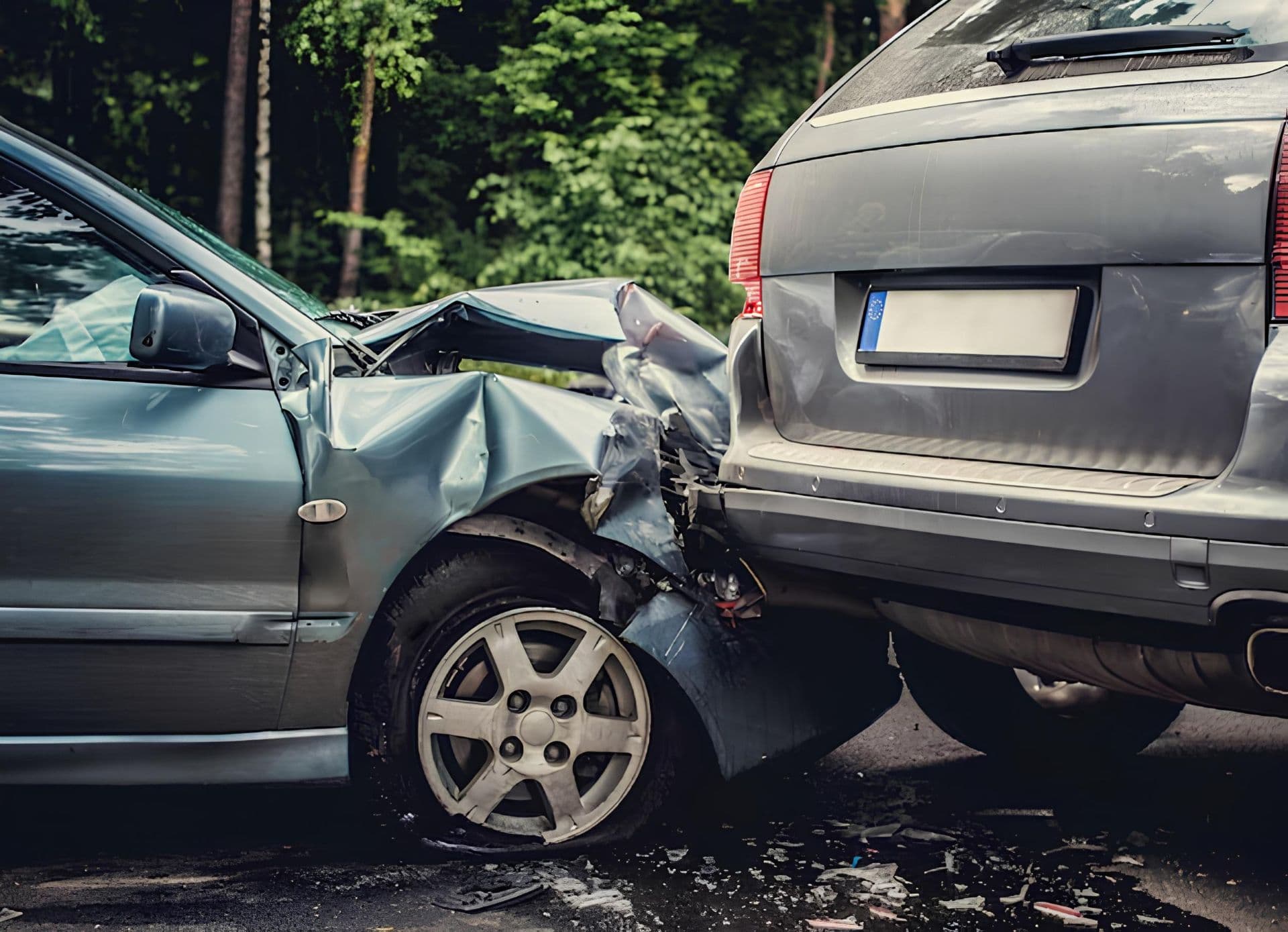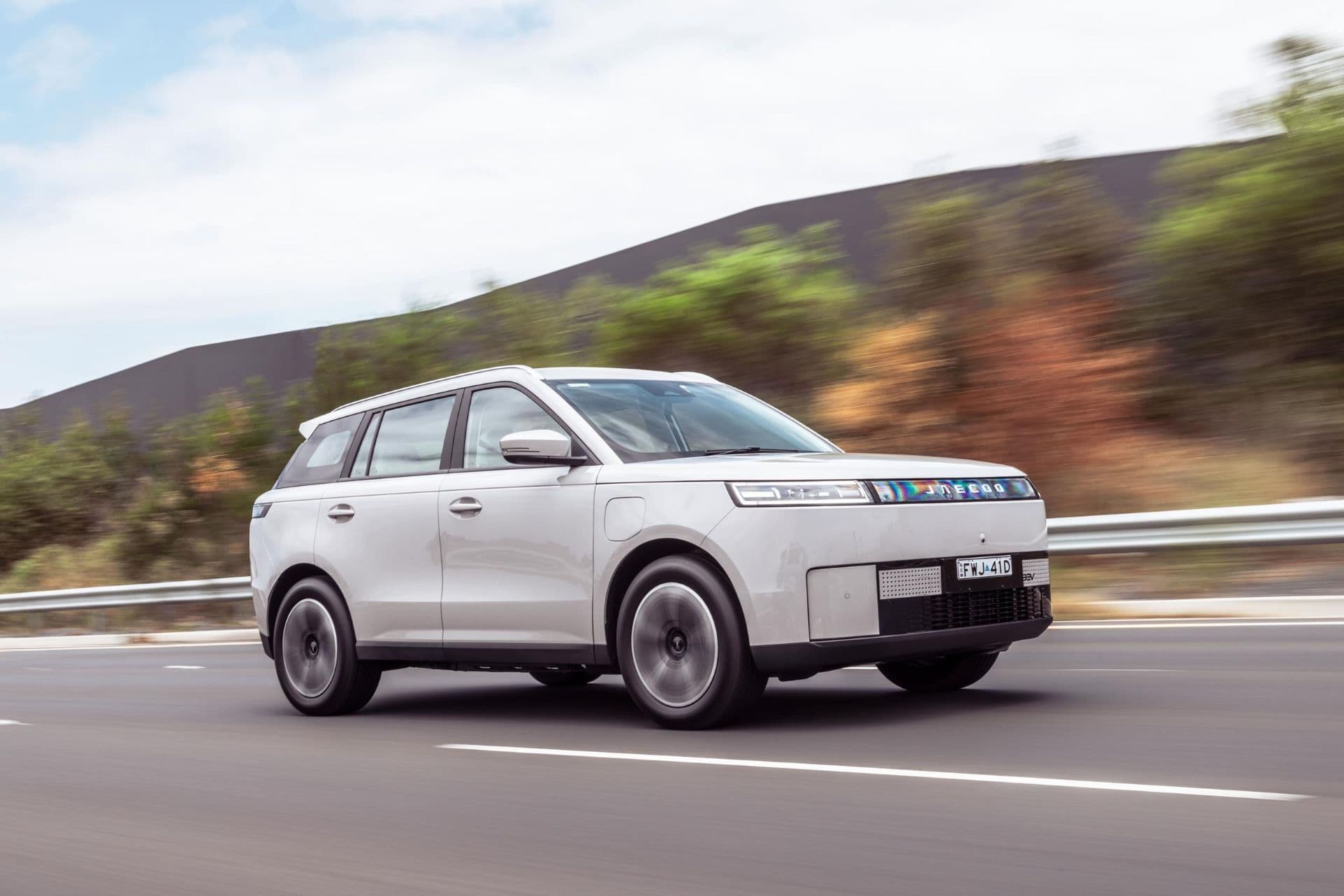
Car advertising is leaning ever more heavily on performance and pace, according to new research that warns such messaging may be helping to normalise risky driving.
The findings come as road safety campaigners continue to highlight the role of speed in fatal crashes.
An analysis by the United States’ Insurance Institute for Highway Safety (IIHS) examined how vehicles are promoted across television, online video and social media. It found that many campaigns emphasise features linked to speed and handling, while far fewer draw attention to safety in a direct and meaningful way.
In the television adverts reviewed from 2018, 2020 and 2022, around four in ten contained prominent performance cues. These included rapid acceleration, sharp cornering, powerful braking and traction designed to suggest control at high speed. By contrast, explicit safety themes appeared far less often, even though manufacturers frequently cite safety as a selling point in other contexts.
The IIHS argues that repeated imagery matters. Even when adverts include disclaimers stating that scenes were filmed by professionals or on closed roads, the overall impression can still be that fast driving is exciting, achievable and socially acceptable. David Harkey, the institute’s president, has cautioned that this framing risks undermining efforts to curb speeding, particularly among drivers who already underestimate the danger.
Researchers also point to a cultural backdrop in the United States where speed has long been tied to identity and aspiration. Marketing taps into that tradition with cinematic shots of open roads, aggressive overtakes and vehicles pushed to their limits. Over time, the study suggests, this can shift perceptions of what is normal behaviour behind the wheel.
The report contrasts the American landscape with the United Kingdom, where advertising rules place clearer limits on messages that could encourage unsafe or irresponsible driving. Claims about performance are more tightly controlled unless they are presented in a safety context, such as manoeuvring to avoid a collision.

In the US, however, standards are often set by broadcasters and industry policies that can be vague about what counts as dangerous driving. The IIHS says some guidelines focus on visible precautions like seat belts but do not clearly discourage speed-led storytelling, leaving a loophole for adverts that celebrate rapid driving without naming it.
To reach its conclusions, the study reviewed thousands of adverts and coded them for dominant themes, then weighted results by advertising spend to estimate audience exposure. Traction was among the most common cues, often portrayed through off-road adventure rather than the everyday safety benefits of grip in rain or ice.
The researchers are calling for clearer rules and a stronger shift towards responsible messaging, arguing that speeding should be treated with the same seriousness as drink driving in advertising standards.
Staff Writer
Reporting from the front lines of the automotive industry, delivering expert analysis and the technical updates that drive the South African motor sector forward.