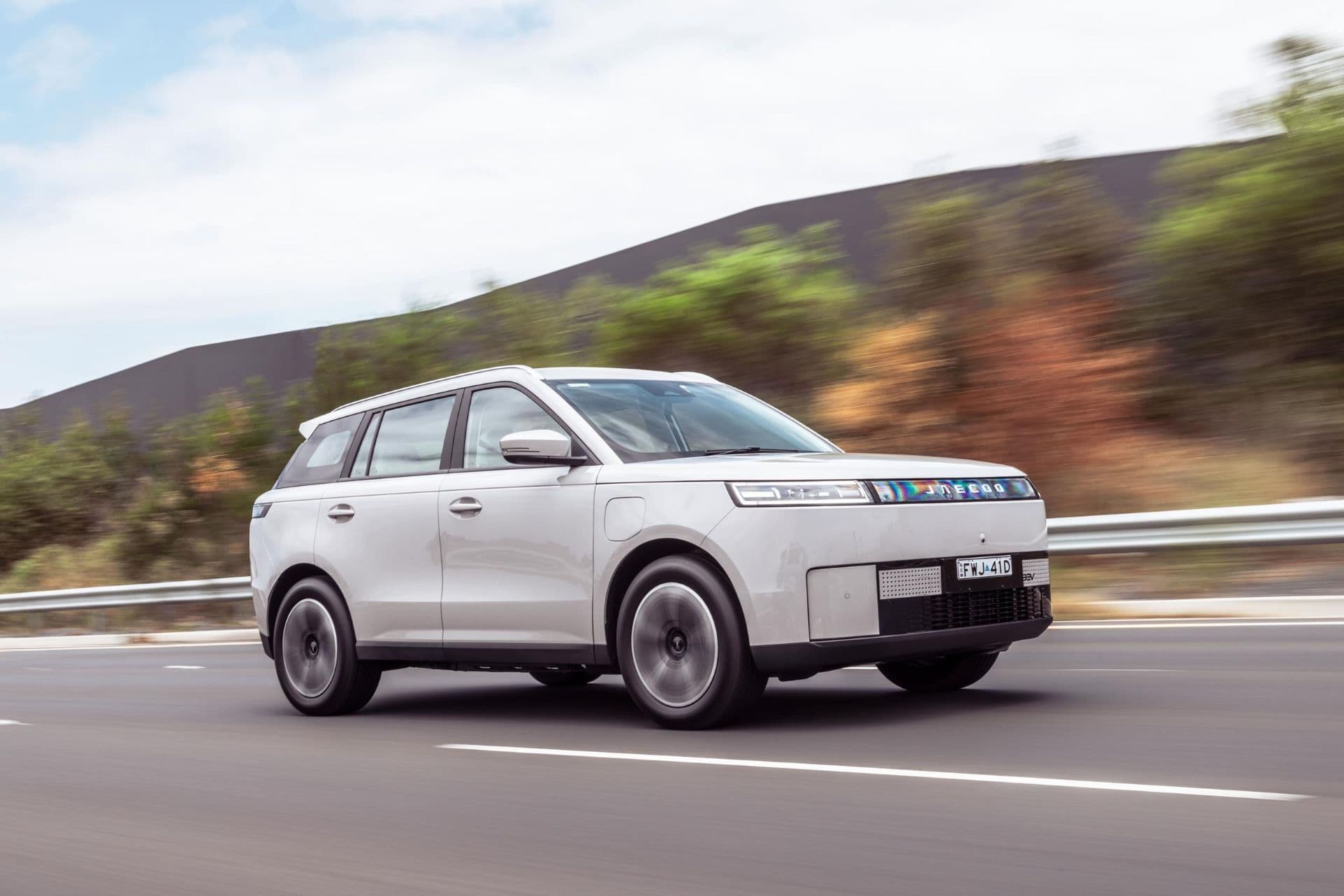
Events in the Middle East and disruptions to oil shipping routes have once again highlighted the world’s dependence on crude oil.
Tankers taking longer routes or failing to reach destinations tighten supply and push prices higher. For motorists, this raises an obvious question: is now the time to reconsider the type of vehicle you drive?
Understanding the current landscape provides a clearer picture of where the global car market is heading, according to the International Energy Agency (IAE) annual Global EV Outlook 2025.
Petrol and diesel still dominate. Internal combustion engine vehicles remain the most common form of transport worldwide. Out of more than one billion vehicles on the road, the majority are powered by petrol or diesel. Their share of new sales peaked around 2017–2018 and has since declined as alternatives gains traction. In Europe, petrol and diesel accounted for 36.6 percent of new car sales in 2025. Yet with cars lasting 10–15 years, they will remain central for years to come.
Electric vehicles gaining momentum. EVs, including battery and plug-in hybrids, are the fastest-growing segment. In 2024, nearly 18 million were sold, representing over 20 percent of global sales. By the end of 2023, around 40 million EVs were already on the road, with numbers climbing rapidly. Once considered niche, EVs are now mainstream, supported by government incentives and expanding charging networks.
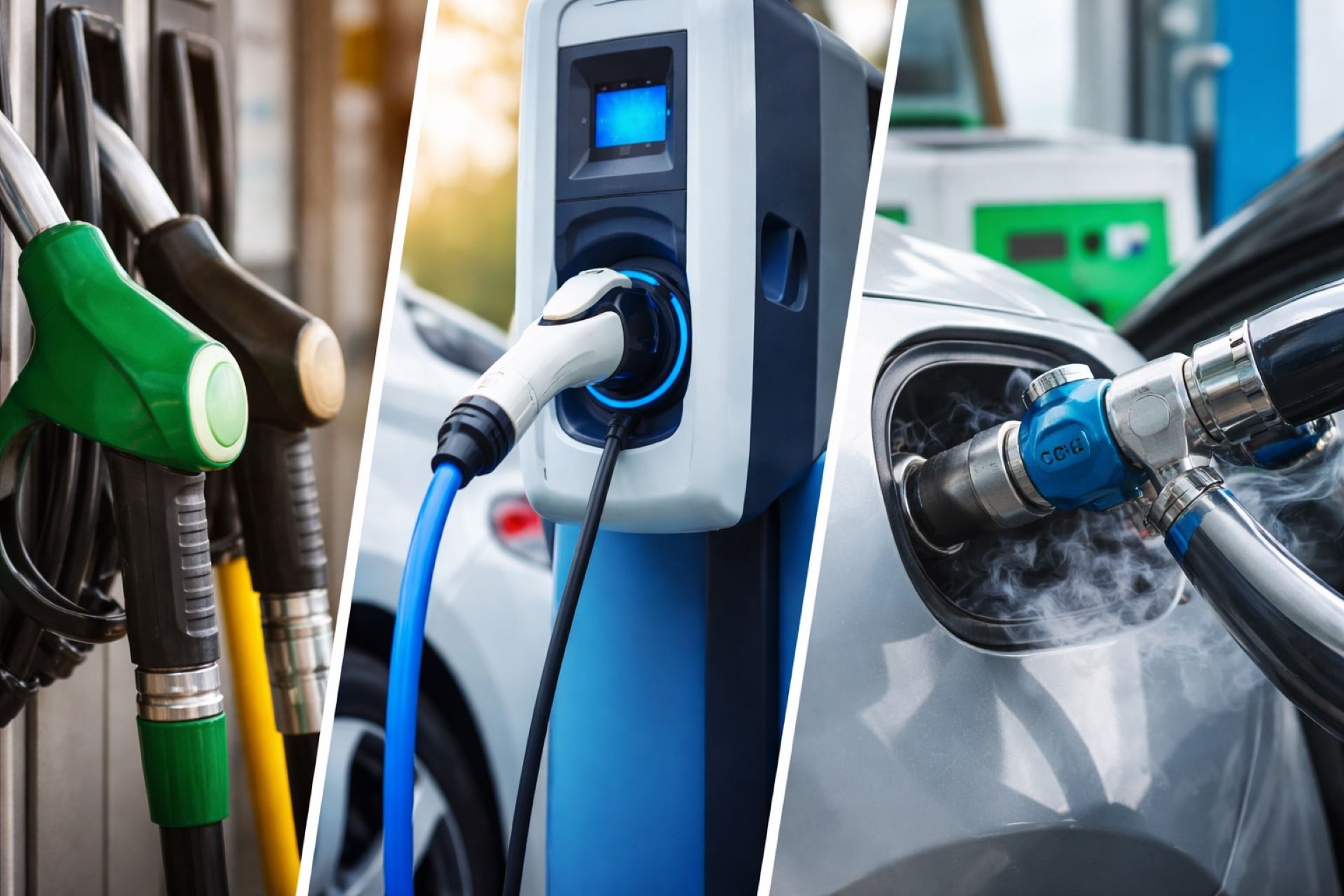
Natural gas vehicles remain niche. Globally, 11–12.6 million are in use, concentrated in Latin America, India, and China. Compressed natural gas (CNG) produces lower emissions and is cheaper where natural gas is abundant, but limited range and refuelling infrastructure restrict adoption. Liquefied natural gas (LNG), more energy dense, is mainly used in heavy transport such as trucks and buses. While LNG offers improved range and lower emissions compared with diesel, specialised storage tanks and fuelling systems make it costly and complex.
A market in transition. The global automotive market is clearly shifting. Petrol and diesel dominate due to the sheer size of the existing fleet, but EVs are expanding rapidly and expected to play an increasingly important role in future mobility. Rising fuel prices and oil supply disruptions accelerate interest in alternatives, particularly electric vehicles, which are now positioned as the leading option for sustainable transport.
Additional sources: The International Gas Union and the NGV Global Industry Association.
Staff Writer
Reporting from the front lines of the automotive industry, delivering expert analysis and the technical updates that drive the South African motor sector forward.