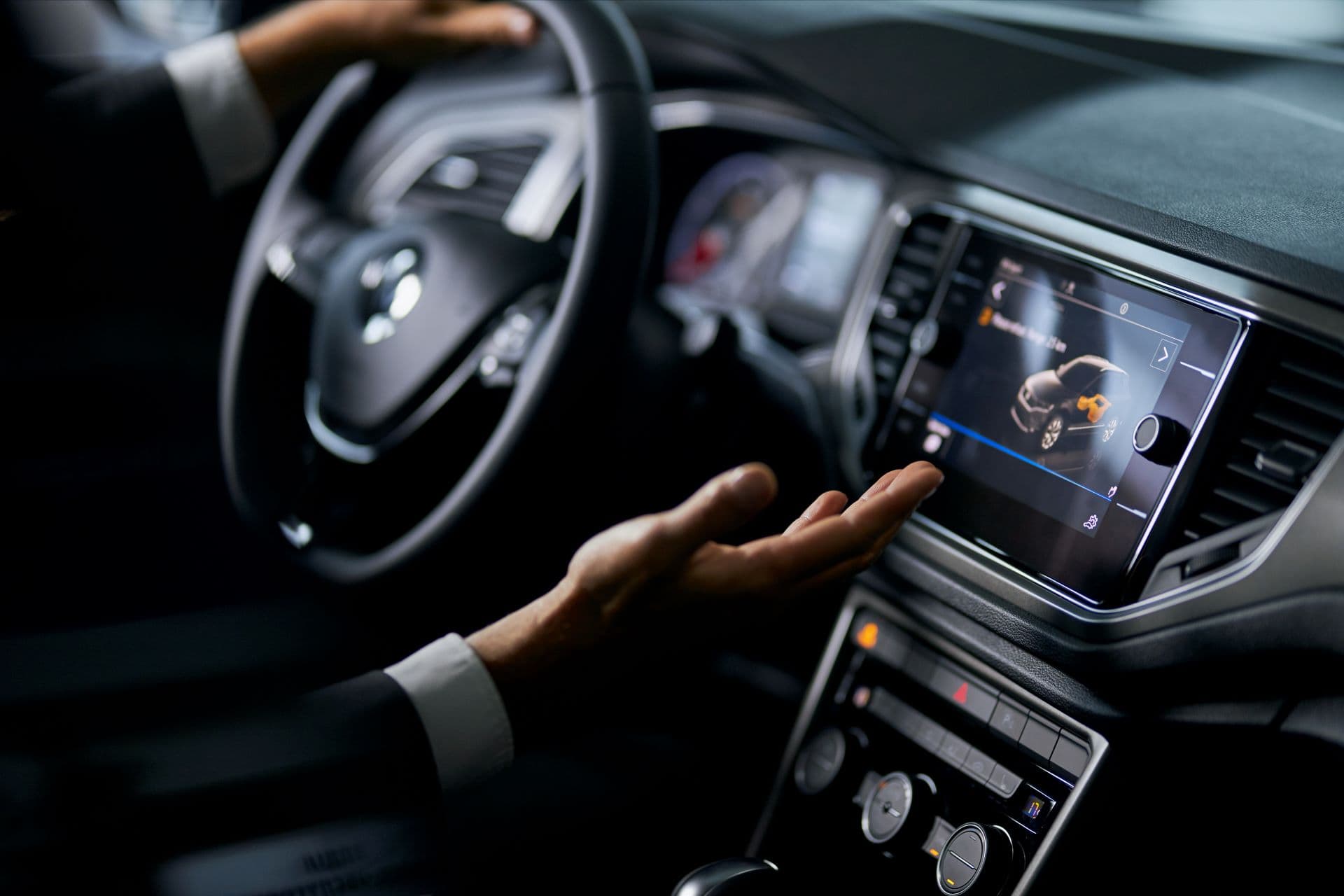
A global shift toward safer, more intuitive in-car design is gathering pace, as China and Europe push back against the dominance of touchscreen-heavy interfaces in modern vehicles.
Both regions are introducing new rules that prioritise tactile controls, bolstered by growing concern over driver distraction and real-world safety failures.
China is leading the charge with sweeping regulations from the Ministry of Industry and Information Technology (MIIT). Under forthcoming standards, essential functions such as turn signals, hazard lights, gear selection and emergency calling must be operated using physical switches measuring at least 10 mm by 10 mm. The move reflects mounting criticism that burying critical controls in touchscreen submenus increases cognitive load and reduces driver attention.
The crackdown also targets two design trends made famous by Tesla: yoke-style steering wheels and flush retractable door handles. From 2027, both will be prohibited on new vehicles. Yokes fail mandatory impact-testing at ten designated points because they lack a full rim, increasing head and chest injury risk in frontal collisions and complicating airbag deployment. Flush, electronically actuated door handles have likewise been implicated in rescue delays and fatalities when power loss prevented external access after crashes.
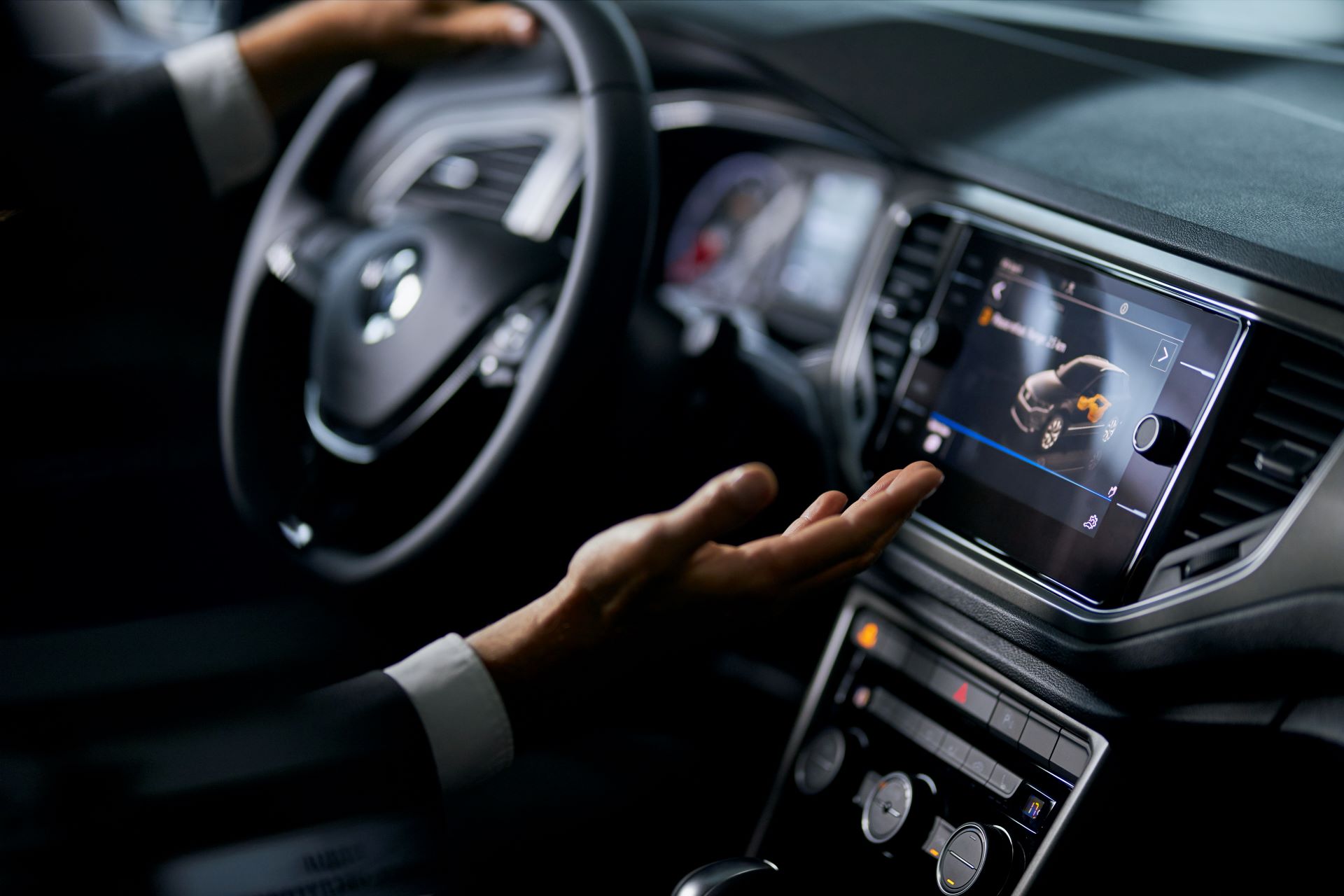
Europe is taking a parallel but slightly different path. Beginning in 2026, the Euro NCAP safety rating system will penalise vehicles that rely solely on touchscreens for critical tasks. To earn a five-star rating, they must feature physical controls for indicators, hazard lights, wipers, the horn and emergency SOS functions. The decision follows research showing touchscreen interactions can demand significantly more “eyes off the road” time than intuitive, tactile controls. Alongside this requirement, Euro NCAP is overhauling its entire safety-assessment model to emphasise safe driving, crash avoidance, occupant protection and post-crash rescue accessibility—creating stronger incentives for clearer, distraction-minimising cabin layouts.
Together, these regulatory developments signal a broader international backlash against minimalistic, screen-centric interiors. While vast digital displays may symbolise modernity, both China and Europe are making it clear that safety, clarity and tactile usability must take precedence.
Staff Writer
Reporting from the front lines of the automotive industry, delivering expert analysis and the technical updates that drive the South African motor sector forward.