The global market for recycled vehicle components is experiencing consistent growth as increasing production costs, stricter environmental regulations and the need for more economical repair options drive greater numbers of vehicles into the recycling chain. These forces are supporting the transition towards a more circular automotive economy, where refurbished parts and reclaimed materials play an increasingly important role.
A recent analysis by HTF Market Intelligence estimates the automotive parts recycling sector at approximately R322 billion (US$17.4 billion) in 2024. The study anticipates annual growth of around eight per cent through to 2033, by which time the market is projected to reach nearly R555 billion (US$30 billion). The industry includes the dismantling of end-of-life vehicles, the extraction of serviceable parts and the recycling of materials such as metals and plastics.
North America is expected to retain its position as the largest regional market over the coming years, supported by a well-established recycling infrastructure, strong insurer confidence in using recycled components for repairs and a mature logistical framework. Europe continues to be a significant market as well, shaped by EU circular-economy policies and extended producer responsibility requirements.
The Asia–Pacific region is forecast to record the fastest expansion. Rising vehicle ownership in major markets such as China and India—combined with tightened emissions rules and more structured vehicle disposal standards—is increasing the number of end-of-life vehicles entering the formal recycling systems. Governments across the region are also investing in advanced dismantling centres and modern processing capabilities to replace informal methods.
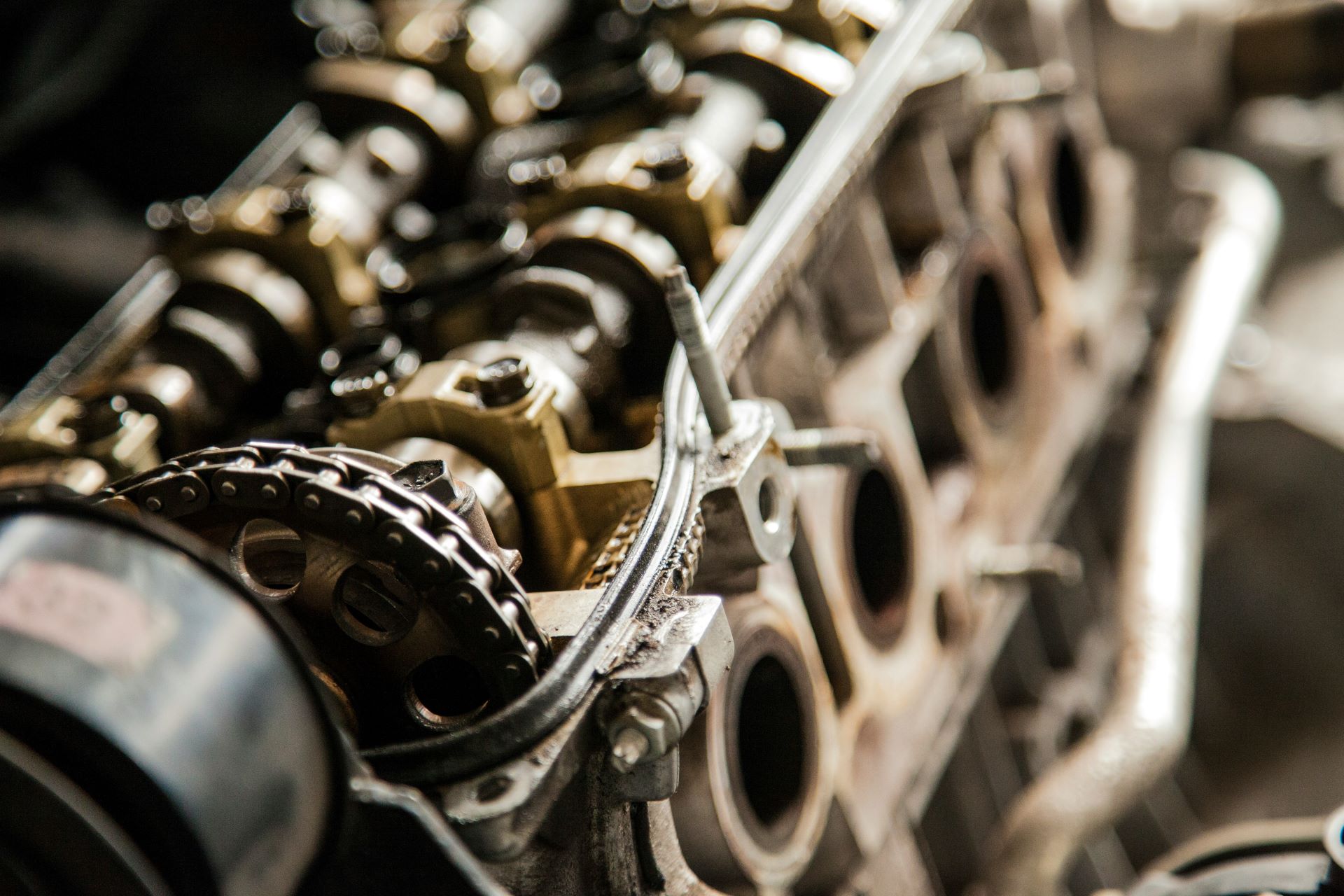
Metals represent the largest share of recycled automotive materials, with steel and aluminium, dominating due to their recoverability and high reuse value. Frequently recycled components include engines, transmissions, electrical systems and exterior panels. Much of the demand comes from the automotive aftermarket, where recycled parts provide more affordable alternatives to new components, helping motorists manage escalating repair costs.
Technological innovation is further strengthening the sector. Automation, improved sorting technologies and digital inventory solutions are enhancing recovery efficiency and lowering processing costs. Online platforms for second-hand parts are also streamlining the process for technicians seeking compatible recycled components.
Nevertheless, the HTF report identifies several ongoing challenges. Regulatory differences between regions, lingering concerns about part quality and the need for recyclers to adapt to evolving vehicle technologies remain significant hurdles. The growing presence of electric vehicles adds complexity, particularly in the areas of battery recovery, high-voltage safety and the recycling of lightweight and composite materials.
Despite these obstacles, recycled automotive parts are increasingly regarded as a vital response to resource limitations, rising cost pressures and environmental ambitions—positioning the industry for continued, long-term growth.
Staff Writer
Reporting from the front lines of the automotive industry, delivering expert analysis and the technical updates that drive the South African motor sector forward.