South Africa’s electric vehicle (EV) journey is gaining traction as new charging stations appear along highways, in cities and at select destinations across the country. Although the charging network is still small compared to international standards, it is growing fast enough to reduce range anxiety for new EV owners.
At present, around 600 public charging stations are available nationwide, with most situated in Gauteng, the Western Cape and KwaZulu-Natal. These are complemented by private business and home installations, creating a patchwork network that is steadily becoming more convenient for drivers.
While countries such as China and those in Europe boast one charger per ten to fifteen EVs, South Africa’s lower adoption rate means its infrastructure is, in a sense, ahead of the curve. For now, charging availability exceeds vehicle demand, ensuring early adopters enjoy ample access.
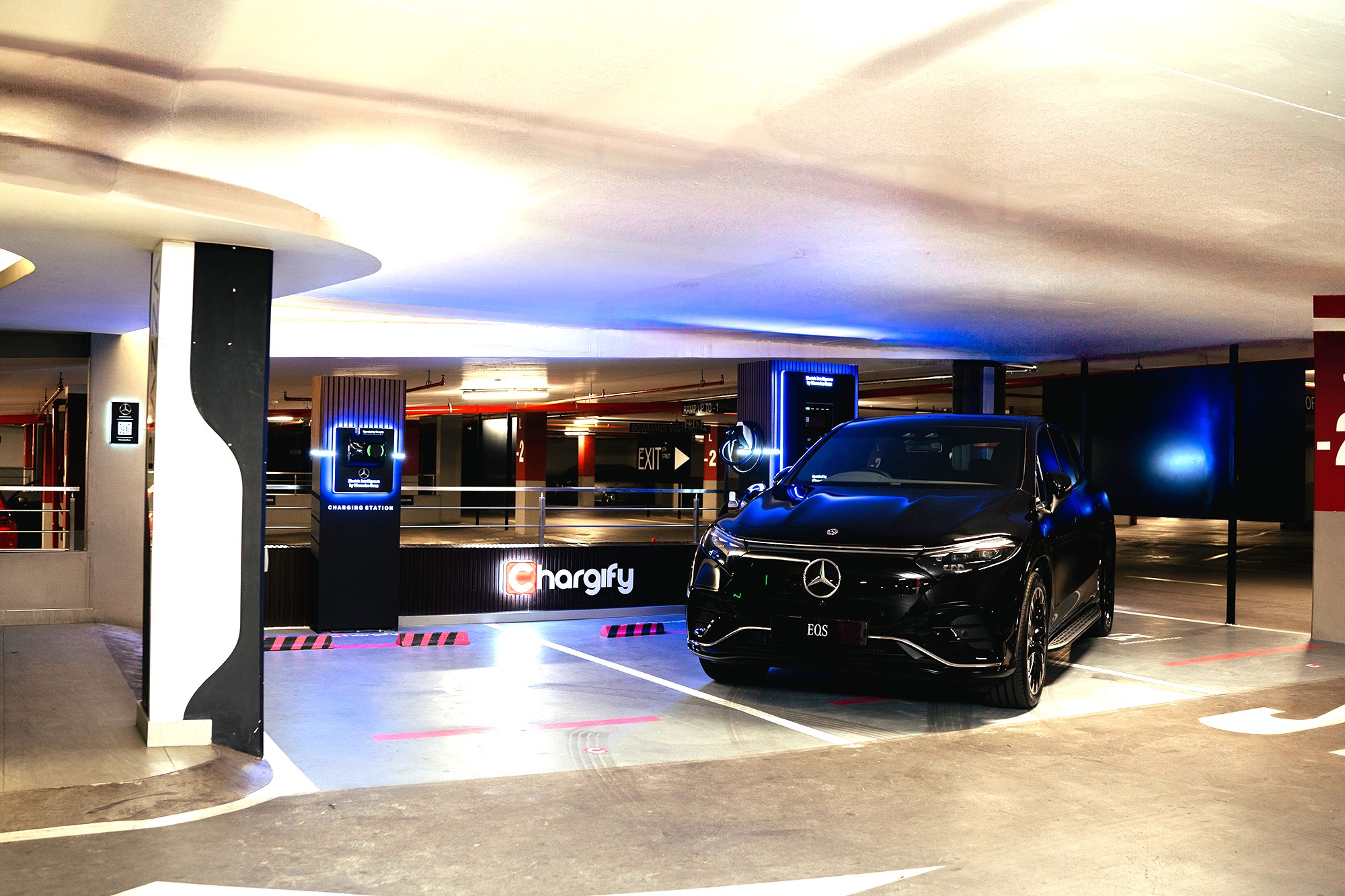
GridCars leads the local market, followed by Rubicon and Chargify, which have also partnered with vehicle manufacturers to expand the network. The most distinctive player is CHARGE, formerly known as Zero Carbon Charge, which is rolling out off-grid, solar-powered ultra-fast charging hubs. Its first site in Wolmaransstad opened in late 2024, powered entirely by solar energy and battery storage.
CHARGE’s ambitious goal is to establish 240 stations by 2026, half dedicated to passenger cars and half to heavy vehicles, spaced about 150 kilometres apart on national routes. The project, supported by the Development Bank of Southern Africa, could create the country’s first renewable, off-grid charging backbone, sidestepping the challenges of loadshedding and coal dependence.
Charging tariffs vary depending on the speed of the charger, location and time of day, with home charging remaining the most economical. As South Africa embraces electric mobility, the growing web of charging points marks an important step towards a cleaner, more sustainable transport future.
To read full article on our sister publication, dealerfloor.co.za, click HERE.
Staff Writer
Reporting from the front lines of the automotive industry, delivering expert analysis and the technical updates that drive the South African motor sector forward.