The Portfolio Committee on Trade, Industry and Competition has urged government and industry to intensify efforts to deepen localisation, create jobs and advance meaningful transformation in South Africa’s automotive sector, following an assessment of progress on the South African Automotive Industry Master Plan 2035.
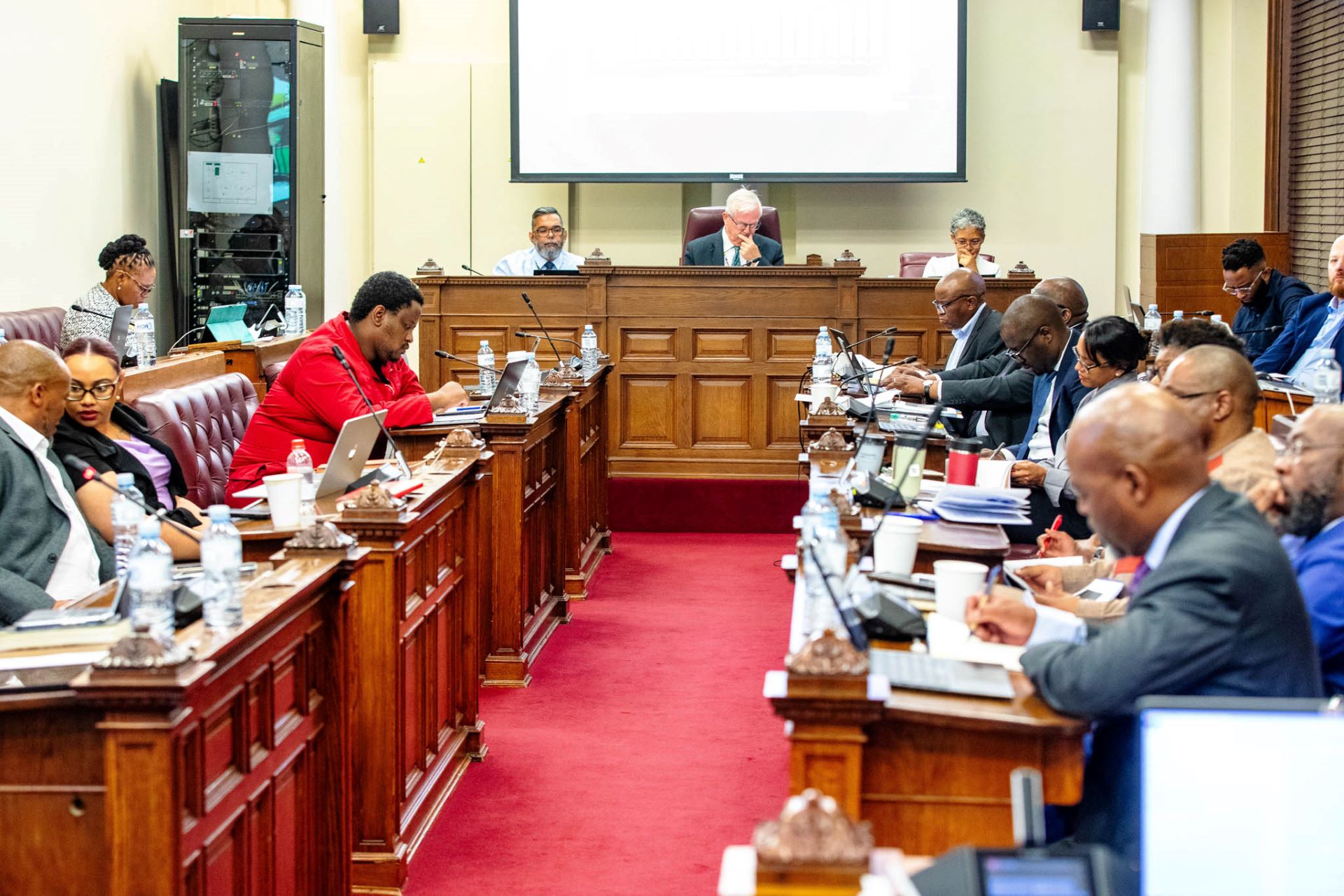
The committee met yesterday with the Department of Trade, Industry and Competition (DTIC), its entities and key automotive industry stakeholders to evaluate how effectively the Master Plan is strengthening the automotive value chain and contributing to the growth of the local economy.
The Automotive Industry Master Plan 2035 seeks to significantly expand the sector by increasing local content, enhancing global competitiveness, deepening value addition, and transforming ownership and participation throughout the value chain. One of its central objectives is to double employment in the automotive industry by 2035.
During the engagement, the DTIC and industry representatives reported that vehicle production, employment and exports have rebounded to pre-COVID-19 levels. However, they cautioned that performance remains well below the ambitious targets set out in the Master Plan. A major concern highlighted was that local content levels have stagnated at around 40%, constraining the industry’s ability to stimulate job creation and support the growth of domestic component manufacturers.
In response, the DTIC indicated that it is in the process of reviewing automotive policies to introduce stronger and more effective interventions. These include measures to address competition from cheaper vehicle imports, ongoing global economic uncertainty, and the global shift from internal combustion engines to electric vehicles. The policy review also aims to accelerate localisation and transformation across the automotive value chain.
Industry stakeholders emphasised the urgent need to restructure tax and incentive frameworks to better support domestic vehicle production and sales. They argued that the current system enables independent importers and semi-knocked down (SKD) kit assemblers to bring vehicles into the country at significantly lower costs, while generating limited benefits for the local economy. This, they warned, undermines demand for locally manufactured vehicles and places jobs across the value chain at risk.
Stakeholders further called on government to make stronger use of local public procurement policies, particularly in relation to public fleet management. They stressed that prioritising locally manufactured vehicles in public procurement, while integrating black entrepreneurs and service providers into fleet systems, would help expand the local value chain, create employment and advance transformation.
Chairperson of the committee, Mr Mzwandile Masina, underscored the strategic importance of the automotive industry to South Africa’s economy.
“The automotive industry plays a critical role in our economy and presents real opportunities for transformation and the growth of township economies,” Mr Masina said. “Local public procurement must be leveraged to support domestic vehicle production, improve economies of scale and expand the range of components produced locally.”
Mr Masina noted that many of the issues raised by industry stakeholders span the mandates of the DTIC, National Treasury and the Department of Transport. He said the committee will compile a report to be submitted to the National Assembly, containing recommendations to the Minister of the DTIC informed by the inputs received during the engagement.
Also read related article on our siter publication, Dealerfloor.co.za at https://dealerfloor.co.za/industry-news/government-should-not-protect-one-industry-to-the-detriment-of-another-misa
Staff Writer
Reporting from the front lines of the automotive industry, delivering expert analysis and the technical updates that drive the South African motor sector forward.