Nissan has set out a bold new course as it works to recover from years of financial and operational strain. The strategy is designed to simplify operations, cut costs and ensure the line-up reflects changing customer demand.
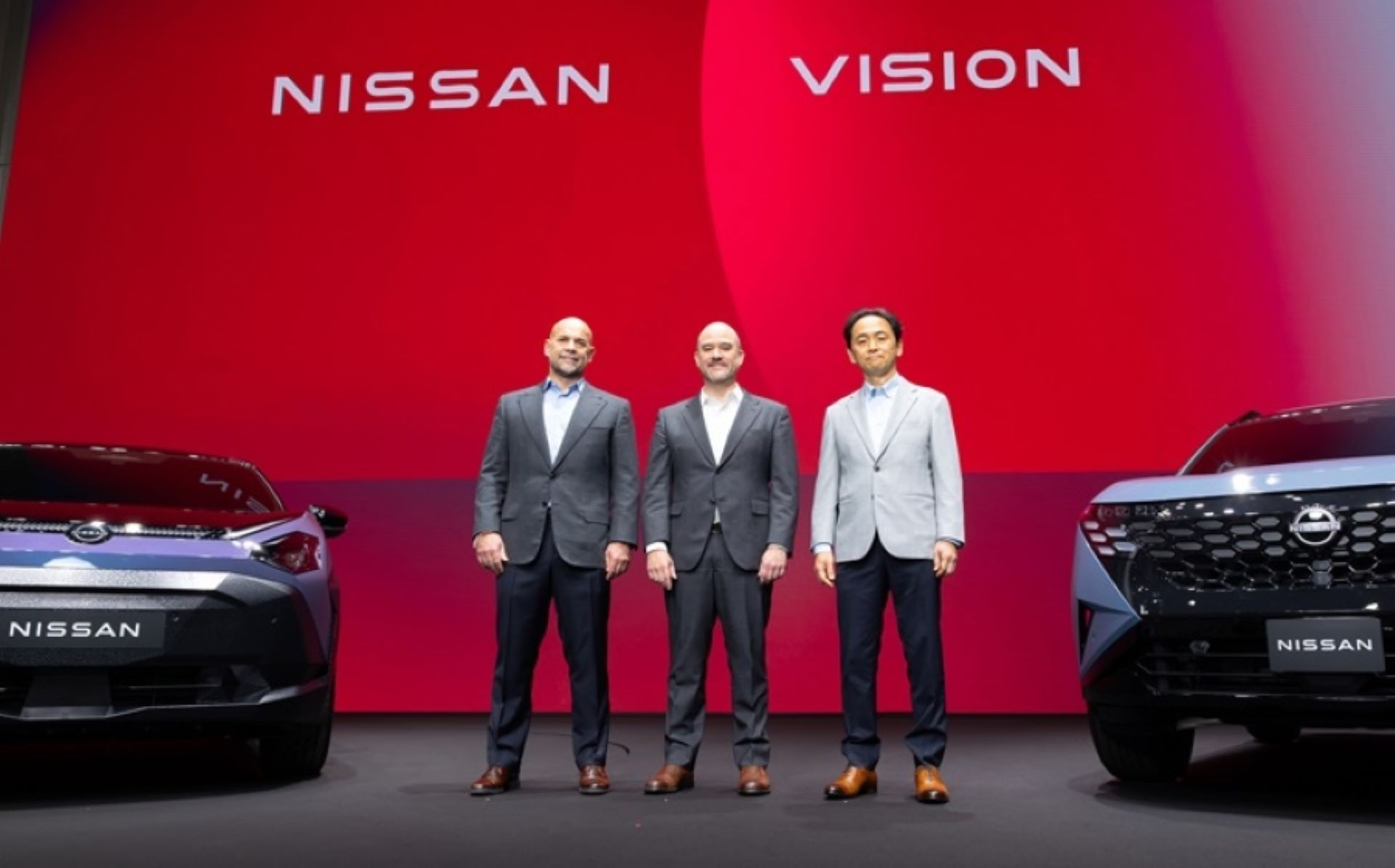
At its Vision of Mobility Intelligence for Everyday Life event, the Japanese carmaker unveiled a long-term plan that reduces the number of models it sells globally while placing electrification and advanced software at the centre of its future.
The strategy is designed to simplify operations, cut costs and ensure the line-up reflects changing customer demand.
Streamlining the Product Line-Up
A key element of the plan is a leaner model range. Nissan will reduce its global portfolio from 56 to 45 vehicles, focusing investment on those that can deliver higher volumes and stronger returns. Future products will be grouped into four categories: heartbeat models that define the brand, core models that drive sales, growth models aimed at emerging demand, and partner models developed through alliances. This approach is intended to speed up development, improve quality and make it easier to introduce new technology across multiple vehicles.
Electrification at the Core
Electrification is central to Nissan’s future. The company is investing heavily in battery electric vehicles and hybrid systems, with its e-POWER technology playing a pivotal role. Unlike conventional hybrids, e-POWER uses an electric motor to drive the wheels, while a petrol engine acts mainly as a generator. This delivers the driving feel of an EV without the need for charging, offering a bridge for customers not yet ready to go fully electric. Nissan will also broaden its electrified range with traditional hybrids, plug-in hybrids and range extender systems, often developed through partnerships.
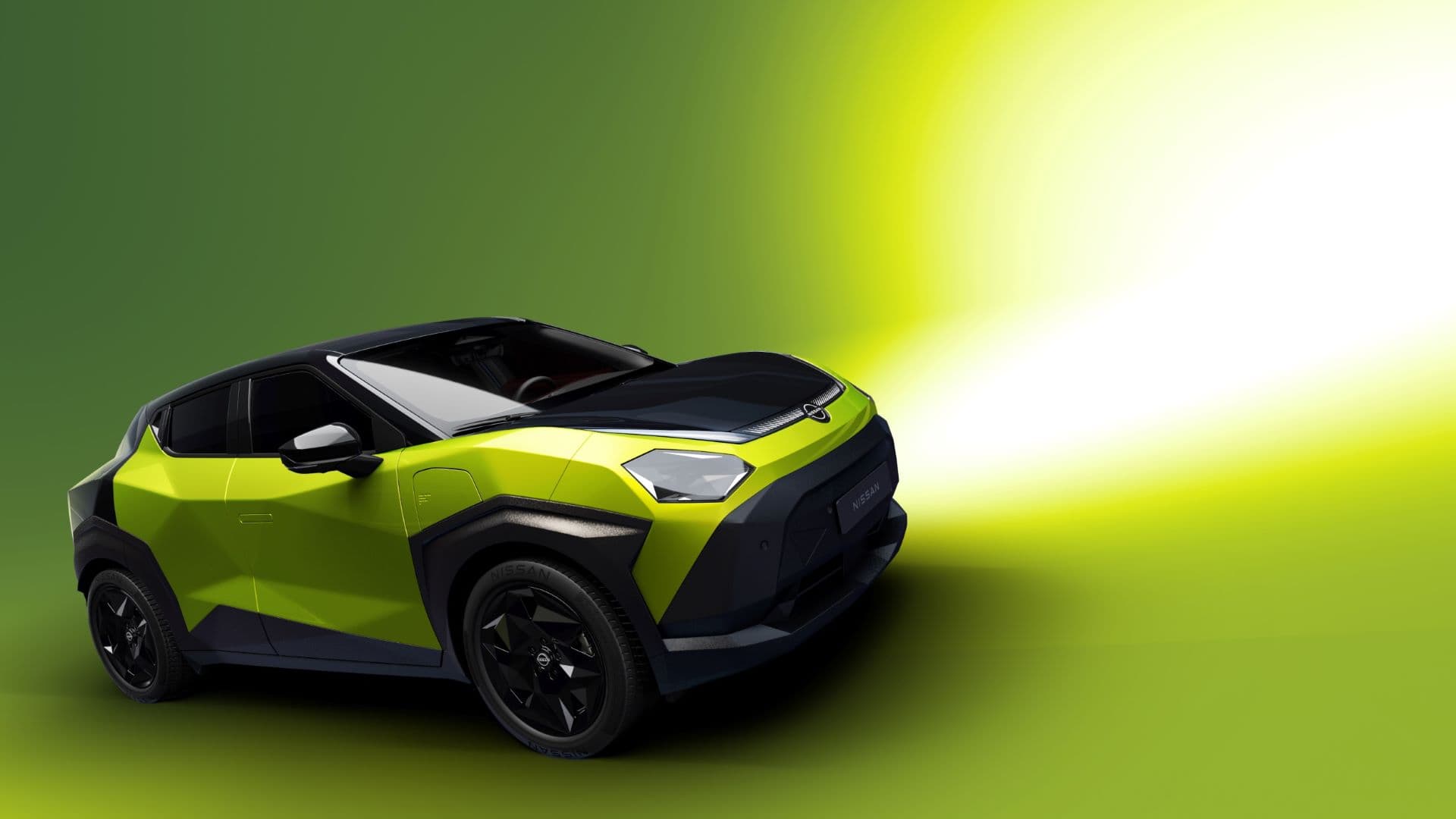
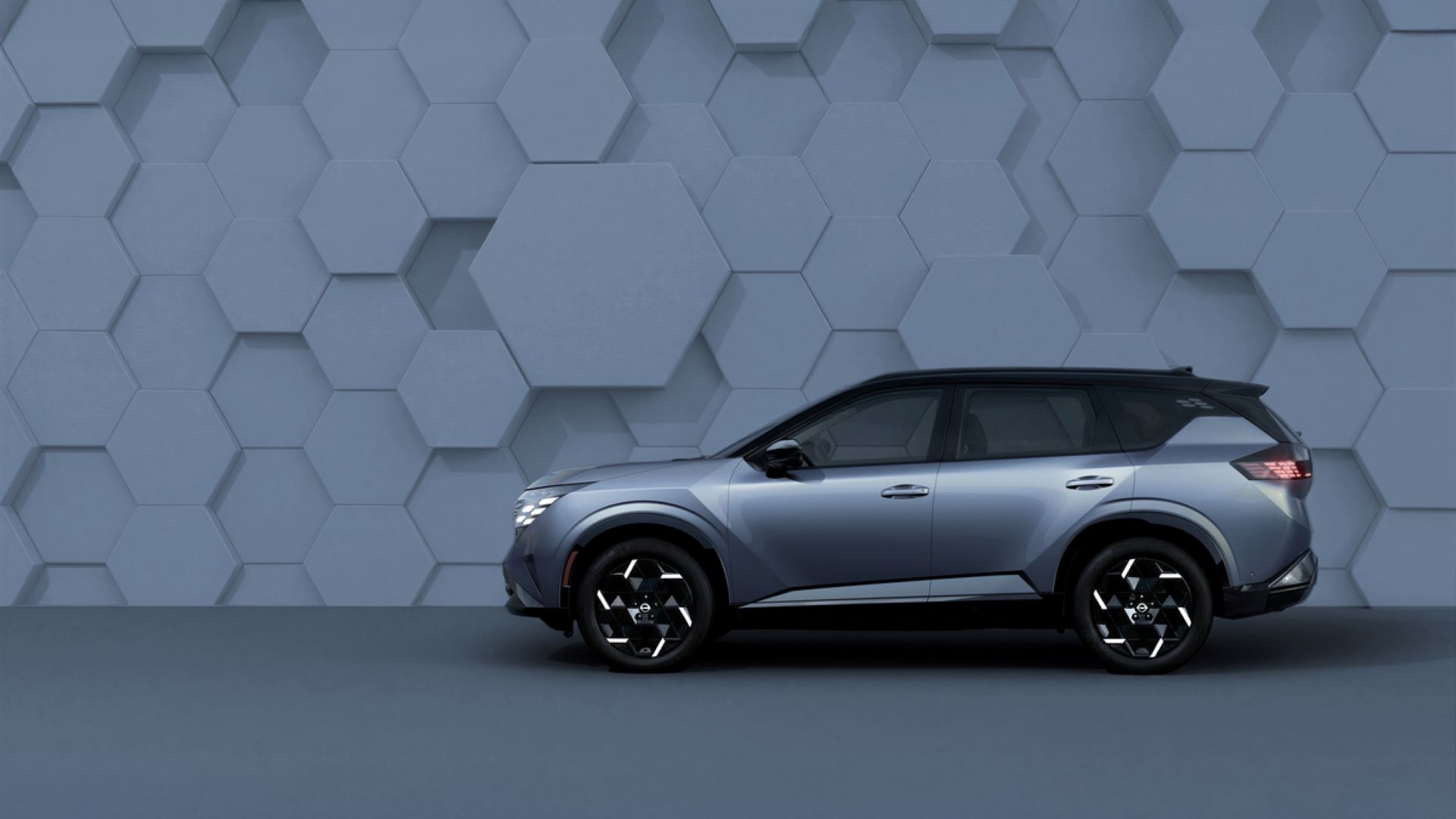
Among the first products highlighted are the Nissan X-Trail and Rogue Hybrid e-POWER models, expected to be major global volume drivers. The next-generation Nissan Juke EV will also bring full electric power to one of the brand’s most recognisable compact crossovers.
Software and AI Integration
Beyond electrification, Nissan is betting on artificial intelligence and software to enhance safety and in-car functionality. Its Nissan AI Drive system will be rolled out across 90 percent of future models, combining advanced driver assistance with broader vehicle intelligence. The aim is to make cars safer, easier to use and more seamlessly integrated into everyday life.
Focus on Key Markets
Nissan’s recovery depends on stronger performance in its largest markets: Japan, the United States and China. In Japan, the company plans to grow annual sales to 550,000 units by 2030 while using the market as a testing ground for new technology. In the United States, Nissan is targeting one million annual sales by the end of the decade, supported by hybrid SUVs and new body-on-frame vehicles. China is expected to play a crucial role in lower-cost development and exports, particularly for new energy vehicles, with a similar one million sales target by 2030.
Conclusion
Nissan’s restructuring plan represents a decisive step towards a leaner, more electrified future. By reducing its model range, investing in hybrid and electric technologies, and integrating AI-driven systems, the company aims to position itself as a leader in sustainable mobility. With clear targets in its key markets, Nissan is setting the stage for a recovery that aligns with evolving customer demands and global industry trends.
Staff Writer
Reporting from the front lines of the automotive industry, delivering expert analysis and the technical updates that drive the South African motor sector forward.