Researchers at Edith Cowan University have developed an advanced artificial intelligence system that can identify drivers who may be too tired, emotional or intoxicated to operate a vehicle safely.
The team created a single 3D deep learning model that evaluates facial cues to detect signs of alcohol consumption, fatigue and emotional volatility. Early trials suggest the system recognises alcohol impairment with close to 90 per cent accuracy and can identify fatigue with 95 per cent accuracy.
The project is led by PhD candidate Abdullah Tariq, who presented the findings at the British Machine Vision Conference. His research examines whether facial analysis can offer continuous monitoring without relying on breathalysers or blood tests that depend on driver cooperation and can only be used periodically. Tariq explains that facial expressions naturally reveal physical and emotional states. Most existing AI tools are designed to detect only one factor at a time, which encouraged the team to explore a unified approach.
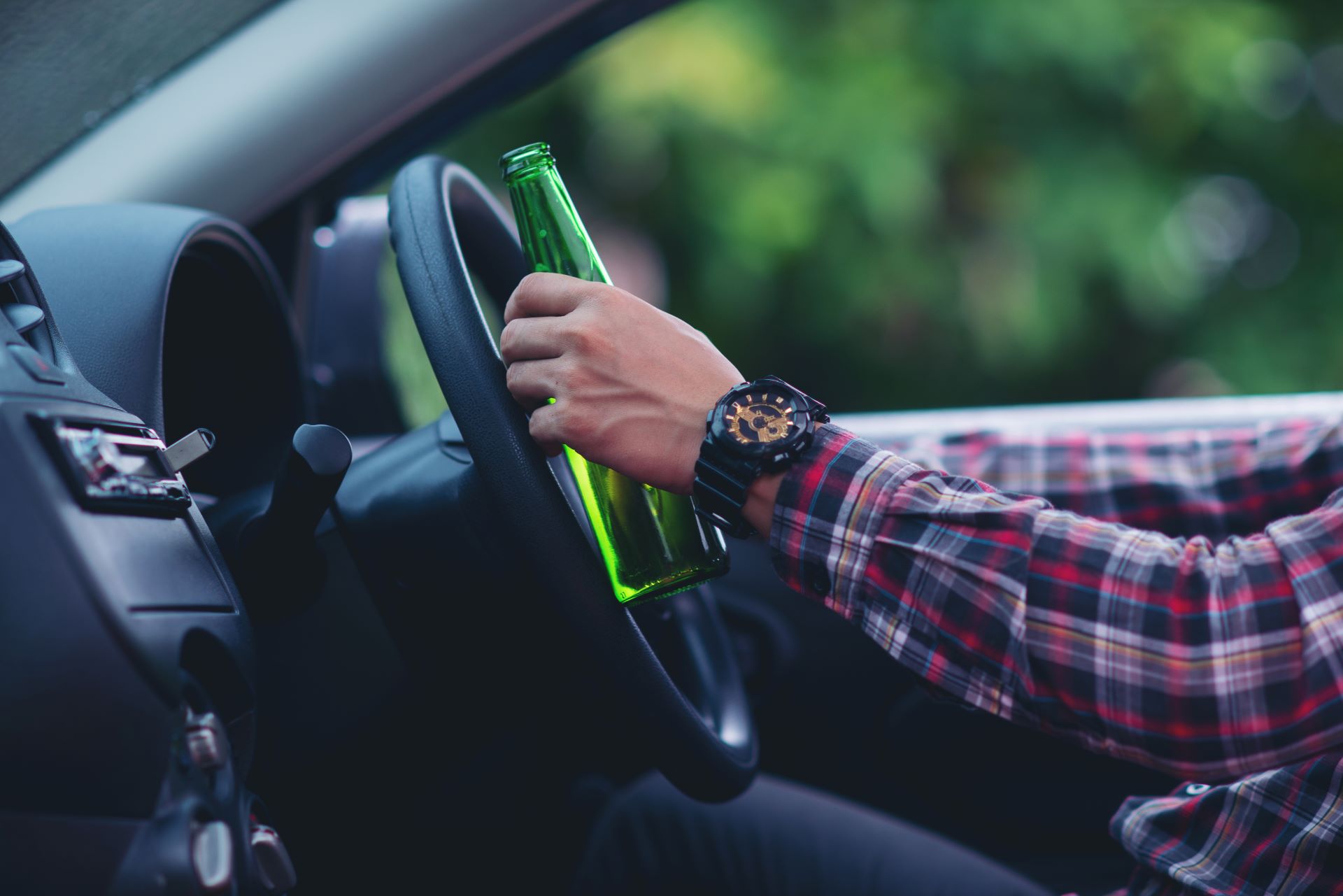
Dr Syed Zulqarnain Gilani from ECU’s Centre of AI and Machine Learning highlights that this is one of the first attempts to measure fatigue, emotional expression and alcohol levels with a single system. Psychological studies have long noted that these conditions often overlap. Severe tiredness can resemble alcohol-induced cognitive impairment and anger can escalate into aggressive driving. The model identifies subtle facial movements that differentiate typical expressions from indicators of genuine impairment.
In a separate line of research, the team investigated whether combining infrared video with standard colour footage could improve detection accuracy in darker environments. Their dual-input model, named BiFuseNet, tracked fine facial changes such as blink rate and small muscle shifts. The results exceeded the performance of systems that rely on only one type of visual data and offered more reliable estimates of blood alcohol concentration.
Dr Gilani believes these developments could form the basis of future safety features built directly into vehicles. Tests show the system can classify alcohol impairment with an accuracy of 88.41 per cent, which suggests strong potential for real-time interventions that prevent unsafe driving.
Staff Writer
Reporting from the front lines of the automotive industry, delivering expert analysis and the technical updates that drive the South African motor sector forward.