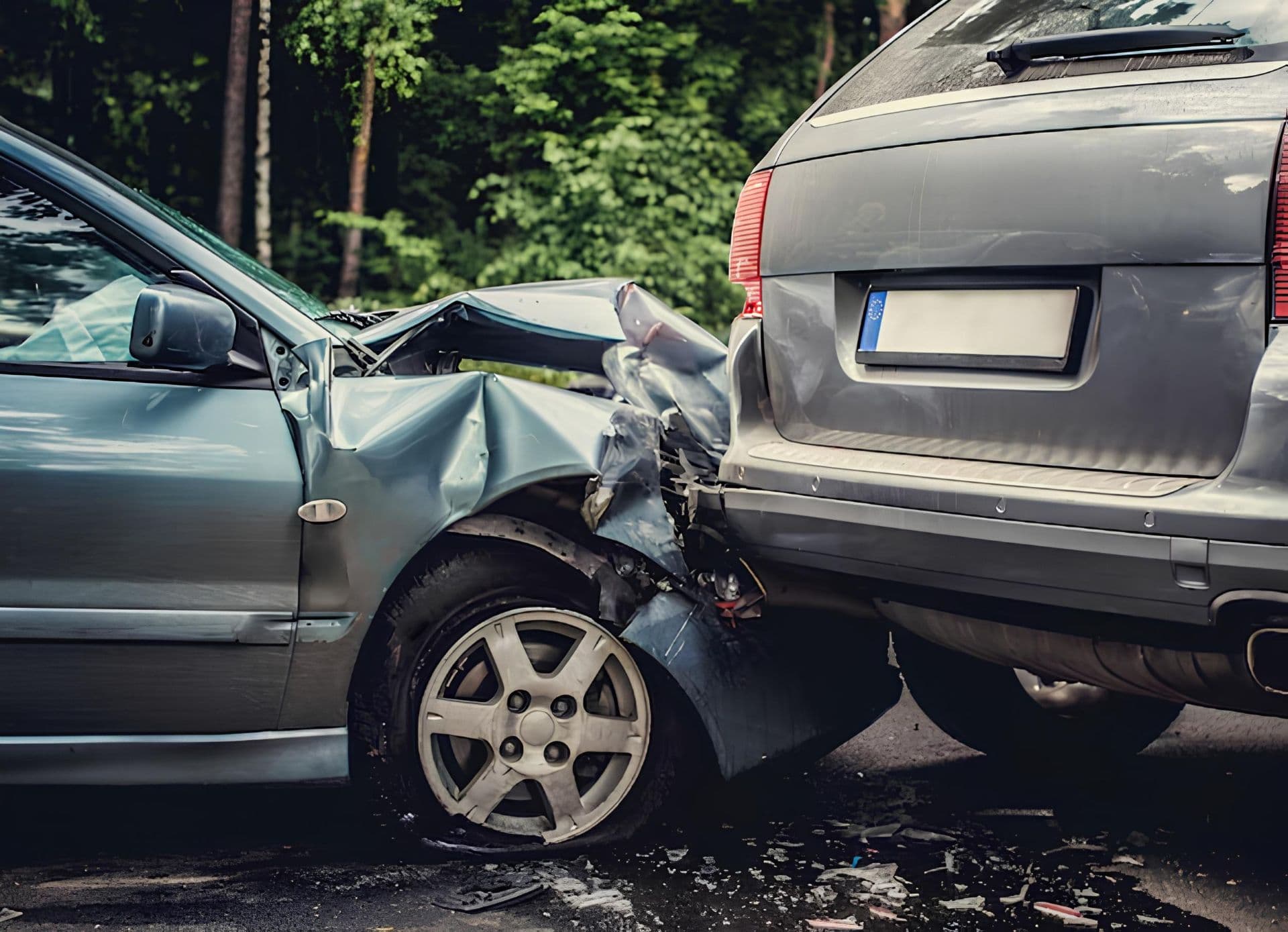
Drivers who break speed limits are also more likely to handle their phones, according to fresh analysis from the Insurance Institute for Highway Safety (IIHS) in the United States, challenging the popular idea that people only reach for screens in slow-moving traffic.
Using information captured by insurers’ safe-driving apps, researchers examined how often motorists physically handled their phones while on the move. When time spent stopped at junctions or sitting in queues is stripped out, a clearer picture emerges: phone handling becomes more common as speeds climb beyond the posted limit. IIHS President David Harkey says the trend is most apparent in free-flowing conditions, where drivers may feel more comfortable taking their attention off the road.
The effect is not uniform across all routes. On limited-access roads, such as motorways and similar high-speed roads entered via slip roads, phone handling increased steeply. The study found that the proportion of driving time spent handling a phone rose by 12 per cent for every additional 5 mph above the speed limit. On other major roads, including arterial routes that connect towns and tend to include traffic lights, roundabouts and crossings, the increase was smaller: 3 per cent for each 5 mph over the limit.
Perhaps most concerning is what happens at the top end of the speed range. The relationship between speeding and phone handling strengthened on roads with higher limits. On limited-access roads posted at 70 mph, the rise in phone use linked to each additional 5 mph was substantially greater than on comparable roads posted at 55 mph. Similar patterns appeared on other categories of roads as limits increased, suggesting that higher-speed environments may encourage a false sense of control.
Why do speeding and phone handling cluster together? Researchers propose several explanations. Some motorists may be more willing to take risks across the board, combining faster driving with distraction. Stress and time pressure could also be factors: commuting, school runs and busy schedules may lead drivers to hurry while still feeling compelled to check messages or notifications. Road context matters too. Where traffic is light and interruptions are fewer, drivers may underestimate how quickly a situation can change, even though reaction times and stopping distances worsen as speed rises.
The findings draw on nearly 600,000 trips recorded between July and October 2024, using data provided by Cambridge Mobile Telematics. Phone handling was flagged when an unlocked phone rotated significantly, indicating it was being picked up or moved. Speeding was identified by matching GPS locations to a speed-limit database and comparing the vehicle’s speed with the posted limit.
For road-safety enforcement, the message is straightforward: tackling speeding and phone distraction together may deliver greater benefits than treating them as separate problems, particularly on high-speed roads where mistakes are least forgiving.
Staff Writer
Reporting from the front lines of the automotive industry, delivering expert analysis and the technical updates that drive the South African motor sector forward.