Advanced driver assistance systems are entering a more mature and demanding phase in 2026. What began as a collection of separate safety features is rapidly evolving into fully integrated, software-driven platforms capable of extended hands-free operation and predictive decision making. For the wider automotive ecosystem, the shift brings both safety gains and significant operational complexity.
Unified surround ADAS platforms
A defining development for 2026 is the rollout of next-generation surround ADAS systems into volume vehicles. Platforms based on chips such as Mobileye’s EyeQ6H consolidate multiple driver assistance features into a single coordinated stack.
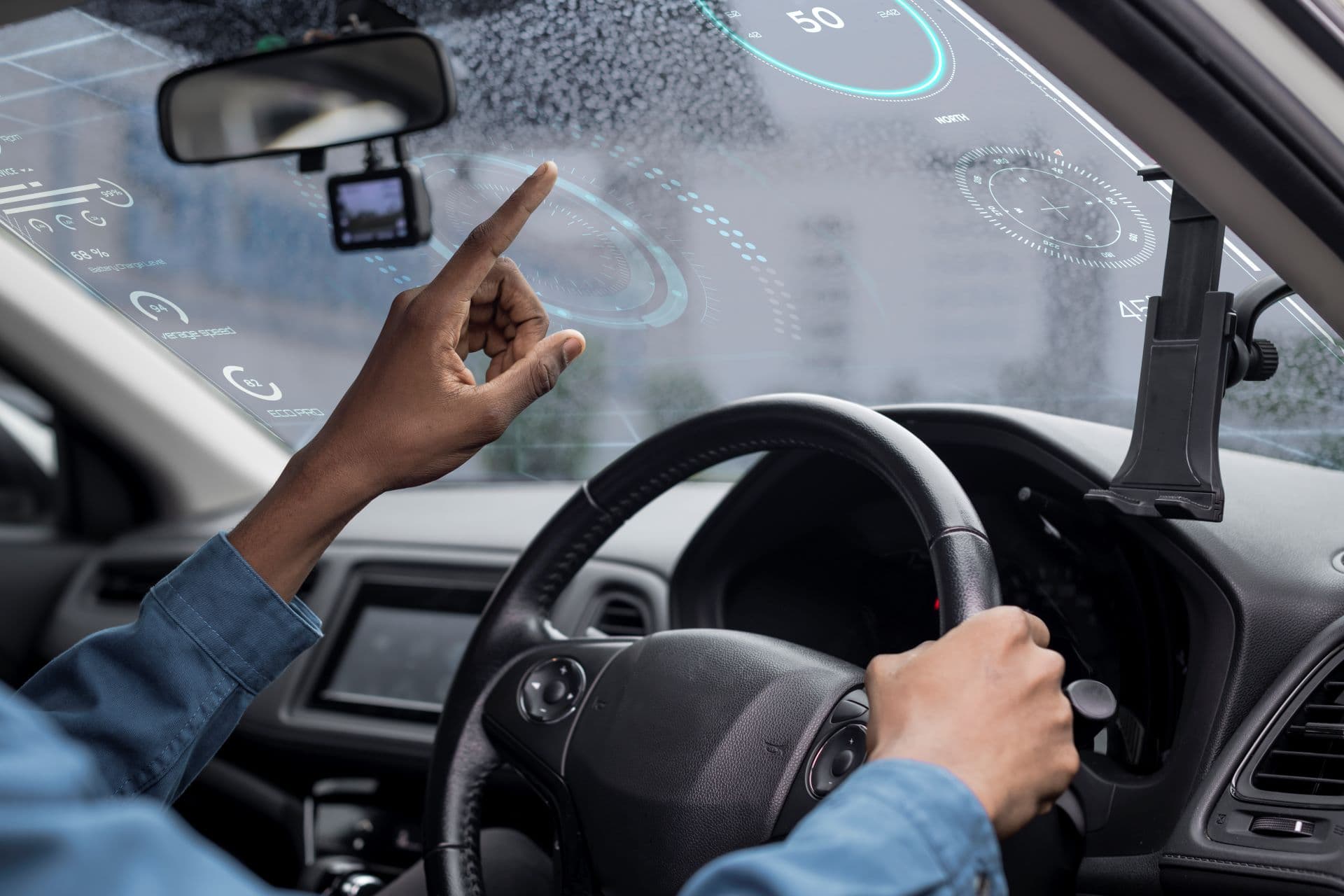
Lane centring, adaptive cruise control and traffic jam assist now operate as one continuous highway assist experience. Using fused data from cameras, radar and digital maps, the vehicle can maintain speed, spacing and lane position with minimal driver input. Over-the-air software updates will steadily expand capability, which means repairers must prepare for more frequent software validations alongside physical calibration. Insurers are also watching closely as improved assistance may alter both crash frequency and severity trends.
Limited “eyes-off” highway capability
Several manufacturers are preparing controlled “eyes-off” functionality for selected highway environments. These Level 2+ and near-Level 3 systems allow the driver to temporarily disengage visual attention within tightly defined operational design domains.
To support this step, vehicles employ high-performance autonomy processors running advanced neural networks. Safety depends on sensor redundancy, typically combining radar, cameras and increasingly LiDAR to confirm environmental understanding. Although regulatory acceptance is still developing, early deployments are expected in certain markets during 2026. Post-repair validation procedures will need to confirm correct multi-sensor performance before vehicles return to customers.
Predictive AI hazard awareness
Artificial intelligence is pushing ADAS beyond reactive safety. New stacks use machine learning to predict risk earlier, identifying behaviours such as a pedestrian about to step into the road or a vehicle likely to cut in.
This predictive capability improves intervention timing in complex urban traffic and moves production systems closer to autonomous perception standards. However, the technology produces far richer datasets and event logs. Insurers and repair specialists will need more advanced diagnostic tools to interpret system behaviour and verify proper operation after repairs.
Expansion of LiDAR-based sensor fusion
Another major shift is the growing adoption of LiDAR alongside radar and camera arrays. This multi-modal fusion improves depth accuracy, object classification and long-range detection, particularly in poor weather or low light.
As hardware costs fall, these sensor suites are spreading beyond premium models into mainstream electric vehicles and crossovers. The repair implication is clear: more sensors create more calibration points, tighter tolerances and greater need for documented verification of system alignment.
Embedded dashcams and event intelligence
Built-in dashcams and event recorders are becoming standard components of modern ADAS stacks. These systems continuously capture driving data and automatically save footage during collisions, near misses or harsh manoeuvres.
For insurers, this creates a powerful tool for claims validation and fraud reduction. For repairers, event data is increasingly part of post-repair sign-off, confirming that safety systems are functioning within specification.
ADAS in 2026 is more intelligent, more connected and more demanding to service. The technology promises meaningful safety gains, but it also raises expectations for calibration accuracy, software management and verifiable system performance across the industry.
Staff Writer
Reporting from the front lines of the automotive industry, delivering expert analysis and the technical updates that drive the South African motor sector forward.