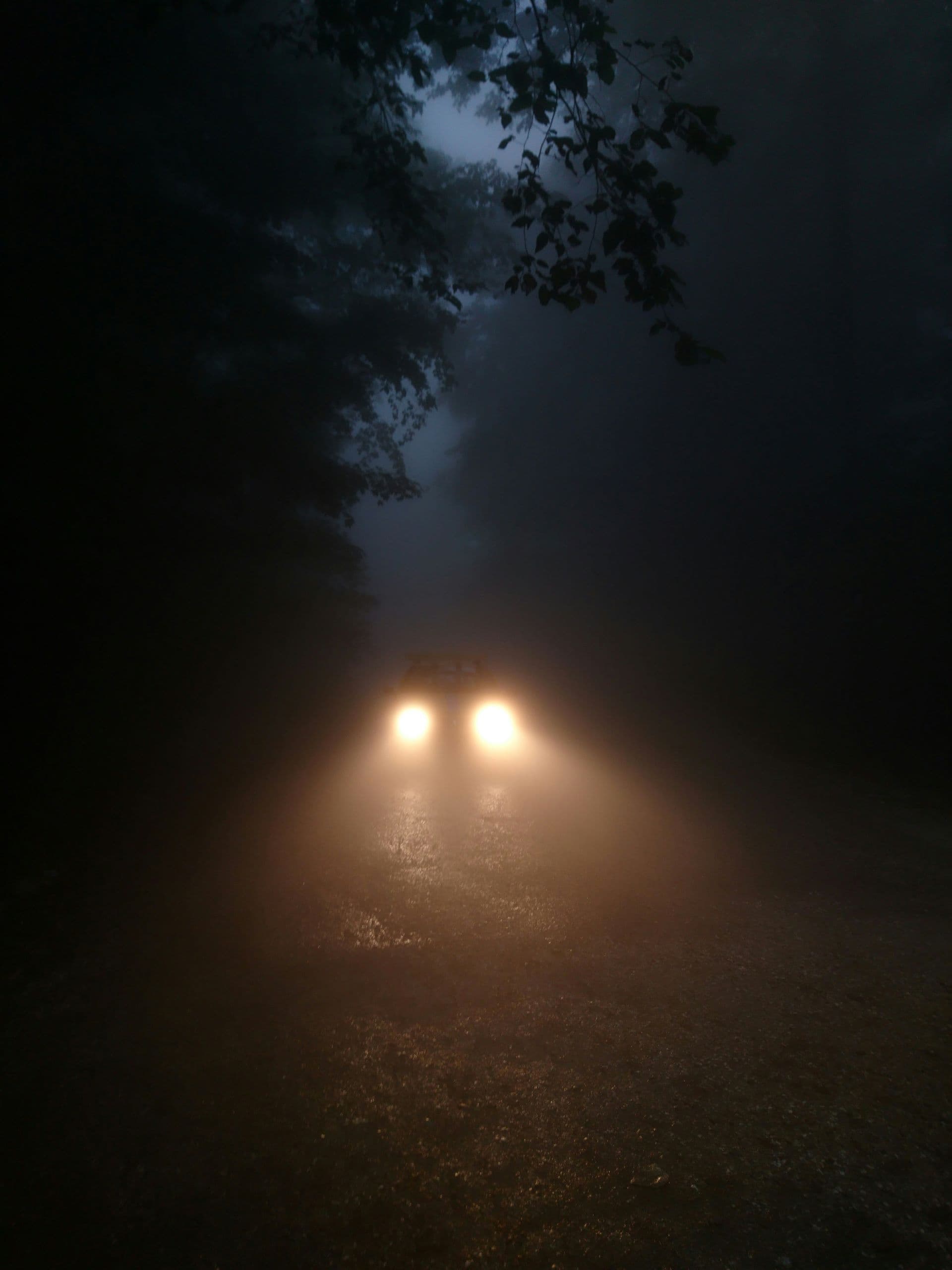
Motorists have been increasingly vocal about dazzling headlights on today's vehicles, but fresh data suggests their concerns may be overstated. A comprehensive analysis by the Insurance Institute for Highway Safety in the USA found that glare from headlights accounts for a negligible fraction of night-time collisions—and that proportion hasn't increased despite headlights becoming substantially brighter.
Between 2015 and 2023, examining approximately 24 million crashes across eleven US states, researchers discovered glare was cited as a contributing factor in fewer than one in 500 night-time accidents. This rate remained remarkably stable throughout the study period, even declining slightly in some years.
A Quiet Safety Revolution
The past decade has witnessed a dramatic shift in automotive lighting. When IIHS introduced its headlight evaluation programme in 2016, the results were sobering: a mere 1 per cent of tested systems achieved good ratings, whilst 82 per cent were classified as marginal or poor.
Fast forward to 2025, and the landscape has transformed. Roughly half of all headlight systems now earn good ratings, with only 16 per cent falling into the bottom categories. This improvement stems from manufacturers adopting better technologies—particularly LEDs—and paying greater attention to headlight positioning to minimise glare whilst maximising visibility.
The safety dividend has been substantial. Research demonstrates that vehicles equipped with highly-rated headlights are involved in nearly one-fifth fewer single-vehicle night-time crashes and almost one-quarter fewer pedestrian collisions after dark compared to those with poorly-rated systems.
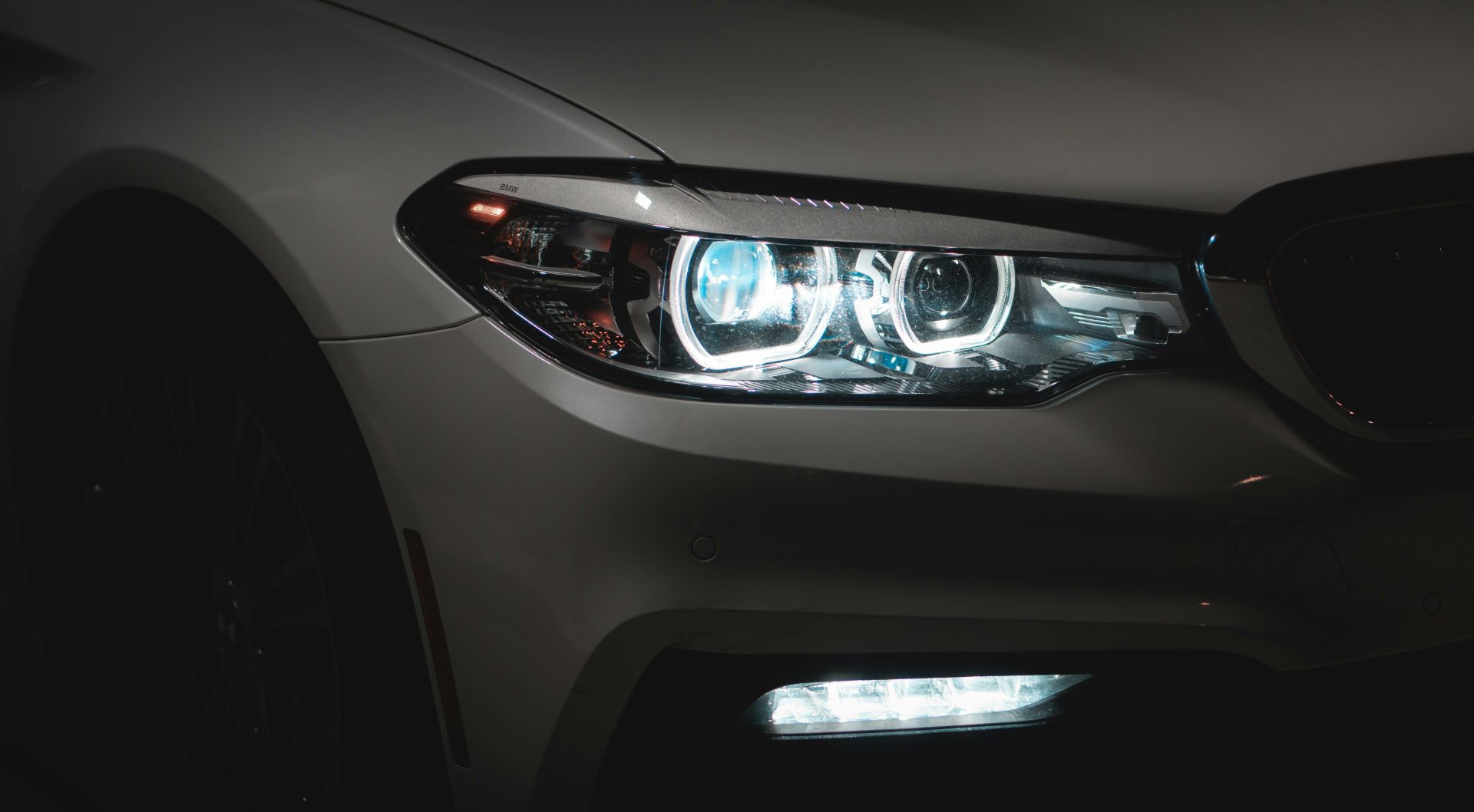
The Glare Paradox
Intriguingly, whilst headlights have grown brighter and more effective, glare-related crashes haven't followed suit. The highest glare rate in the study appeared in 2015; the lowest came in 2020.
Certain patterns do emerge from the data. Glare-related incidents happen disproportionately on wet surfaces and narrow, undivided local roads with modest speed limits. They typically involve solo vehicles departing the roadway, with the glare-producing vehicle continuing onwards, often unaware of the incident.
Demographic factors play a crucial role. Motorists aged over 70 demonstrate heightened susceptibility to glare-related crashes, yet those between 55 and 60 show no such increase. Researchers theorise that superior visibility from modern vehicles may provide some protection against oncoming glare—analogous to how opposing headlights seem less intense in daylight.
Reducing Glare Further
The industry has already made impressive strides. Excessive glare—levels that automatically disqualify a headlight system from top ratings—dropped from 21 per cent of tested units in 2017 to just 3 per cent in 2025.
Nevertheless, room for enhancement remains. Given that most glare-related crashes involve lane departures, improved road markings combined with lane-keeping assistance technology could eliminate over half of such incidents. High-beam assist systems, which automatically switch to low beams when detecting approaching traffic, address another common problem: drivers forgetting to dip their lights manually.
The most sophisticated solution involves adaptive driving beam technology. These intelligent systems selectively reduce illumination aimed at other vehicles whilst maintaining full brightness everywhere else. Widely deployed across Europe for years, regulatory complexities have stymied their American introduction despite federal authorisation since 2022.
"The IIHS headlight rating programme is already driving advancements that are making night-time driving safer, both by improving visibility and by reducing glare," noted IIHS President David Harkey, acknowledging both progress achieved and challenges ahead.
#headlightglare
Staff Writer
Reporting from the front lines of the automotive industry, delivering expert analysis and the technical updates that drive the South African motor sector forward.