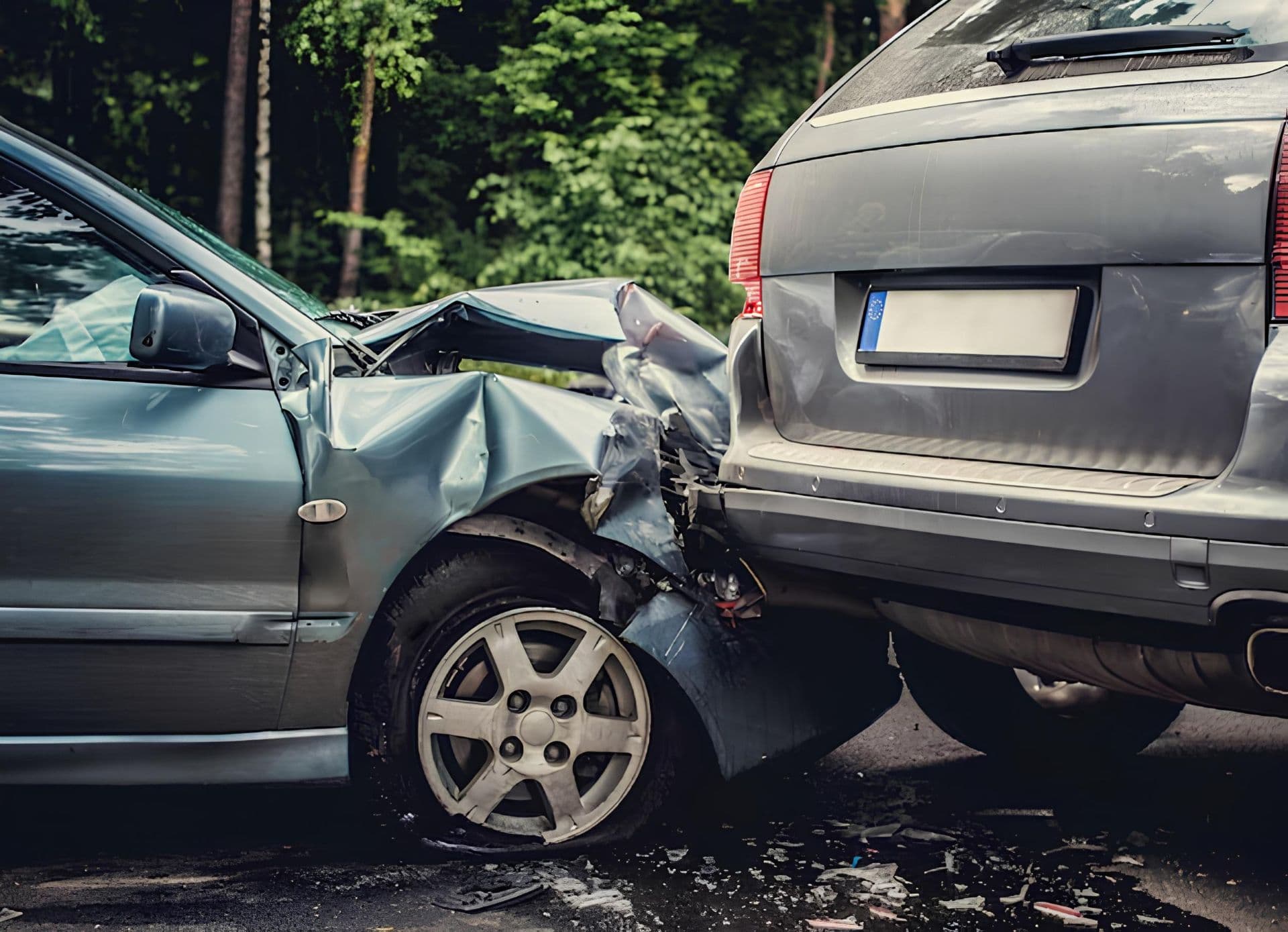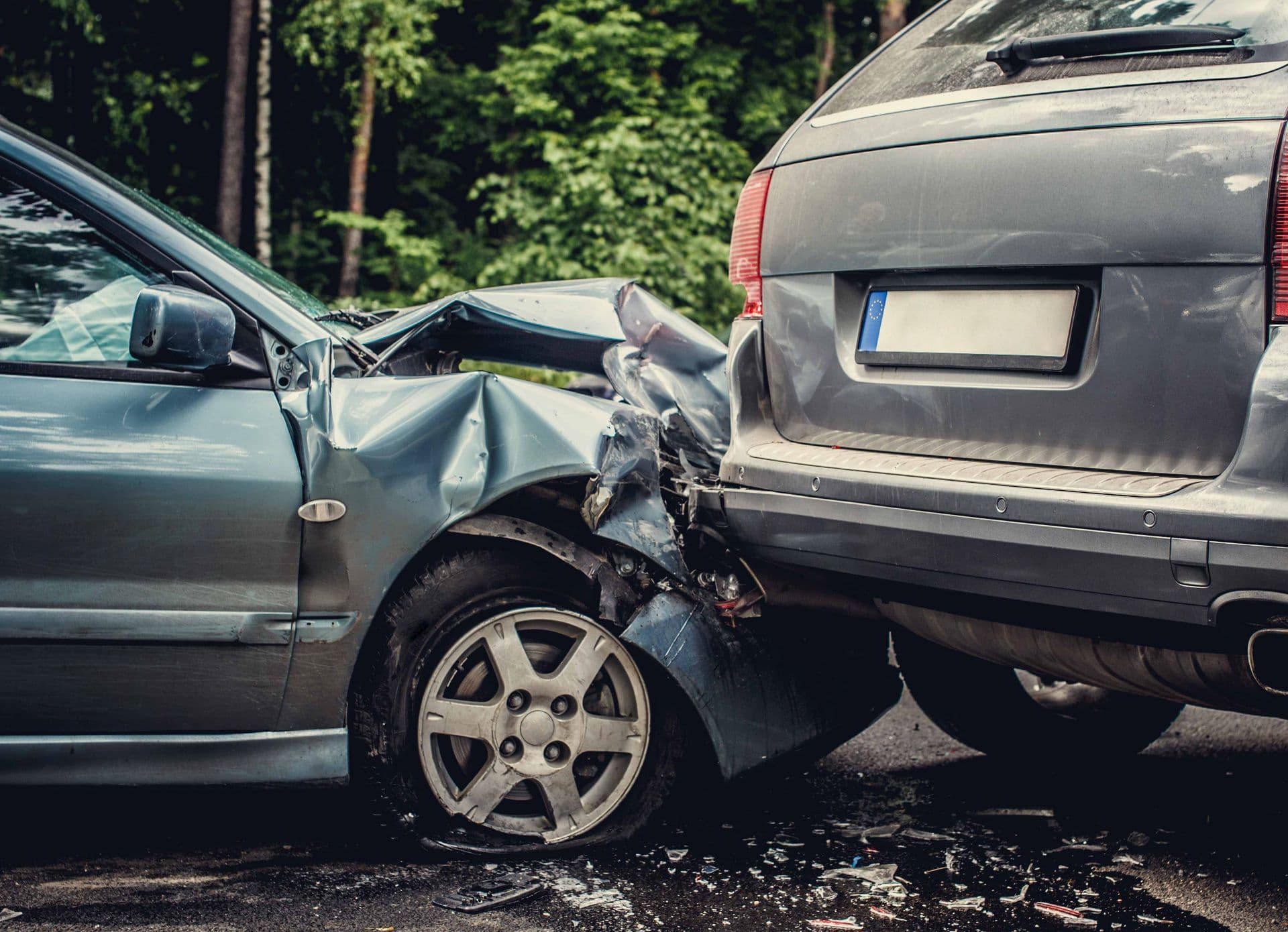
It is easy to assume that if a car still starts, steers and moves after a collision, the damage is little more than a scratched bumper or dented panel.
In reality, even a low-speed impact can disturb the vehicle’s structural alignment. The South African Motor Body Repairers’ Association (SAMBRA) says modern vehicles are built to absorb and channel crash energy through carefully engineered load paths, crumple zones and high-strength materials. If those structures are bent or weakened, the vehicle may not protect occupants as intended in a future crash.
The problem is that structural damage is often invisible. A car can look tidy from the outside while the frame, chassis or unibody has shifted by a few millimetres, enough to affect safety and drivability. Typical warning signs include uneven tyre wear, vibrations through the steering wheel, the vehicle pulling to one side, odd rattles and doors or panels that no longer line up properly. In many modern cars, sensor calibration and driver-assistance systems can also be affected after an impact, which adds another reason not to delay a proper inspection.
Repairing this kind of damage is not basic panel work. Accredited repairers use computerised measuring systems, laser-guided checks and manufacturer specifications to identify even slight deviations from factory tolerances. Depending on the severity, technicians may need hydraulic straightening benches, controlled pulling systems and replacement sections approved by the manufacturer. Industry guidance from SAMBRA stresses that correct repair methods matter because shortcuts can weaken the vehicle’s crash performance, reduce reliability and create expensive mechanical problems later.
For motorists, the lesson is simple. Do not judge accident damage by appearance alone. After any meaningful knock, have the vehicle assessed by a qualified, properly equipped repairer that follows approved manufacturer procedures and understands modern materials such as aluminium and advanced high-strength steel. It can also help to confirm the workshop’s accreditation and reputation before authorising repairs. A vehicle’s structure is its backbone, and if it is not restored correctly, the consequences can include poorer handling, lower resale value and compromised safety for everyone on the road.
Staff Writer
Reporting from the front lines of the automotive industry, delivering expert analysis and the technical updates that drive the South African motor sector forward.