Japanese car manufacturers are scaling back their industrial footprints in Africa and Southeast Asia, selling key factories to global and Chinese competitors as intensifying competition erodes market positions they once dominated.
Suzuki and Nissan have become the latest Japanese brands to retreat. Suzuki confirmed the sale of its Rayong plant in Thailand to Ford after years of declining demand. The factory, which produced just over 4,000 vehicles in 2024, had seen volumes fall sharply from more than 20,000 units in 2020. Nissan, meanwhile, announced the sale of its South African plant to Chinese carmaker Chery as part of a wider restructuring that will see seven Nissan plants closed worldwide.
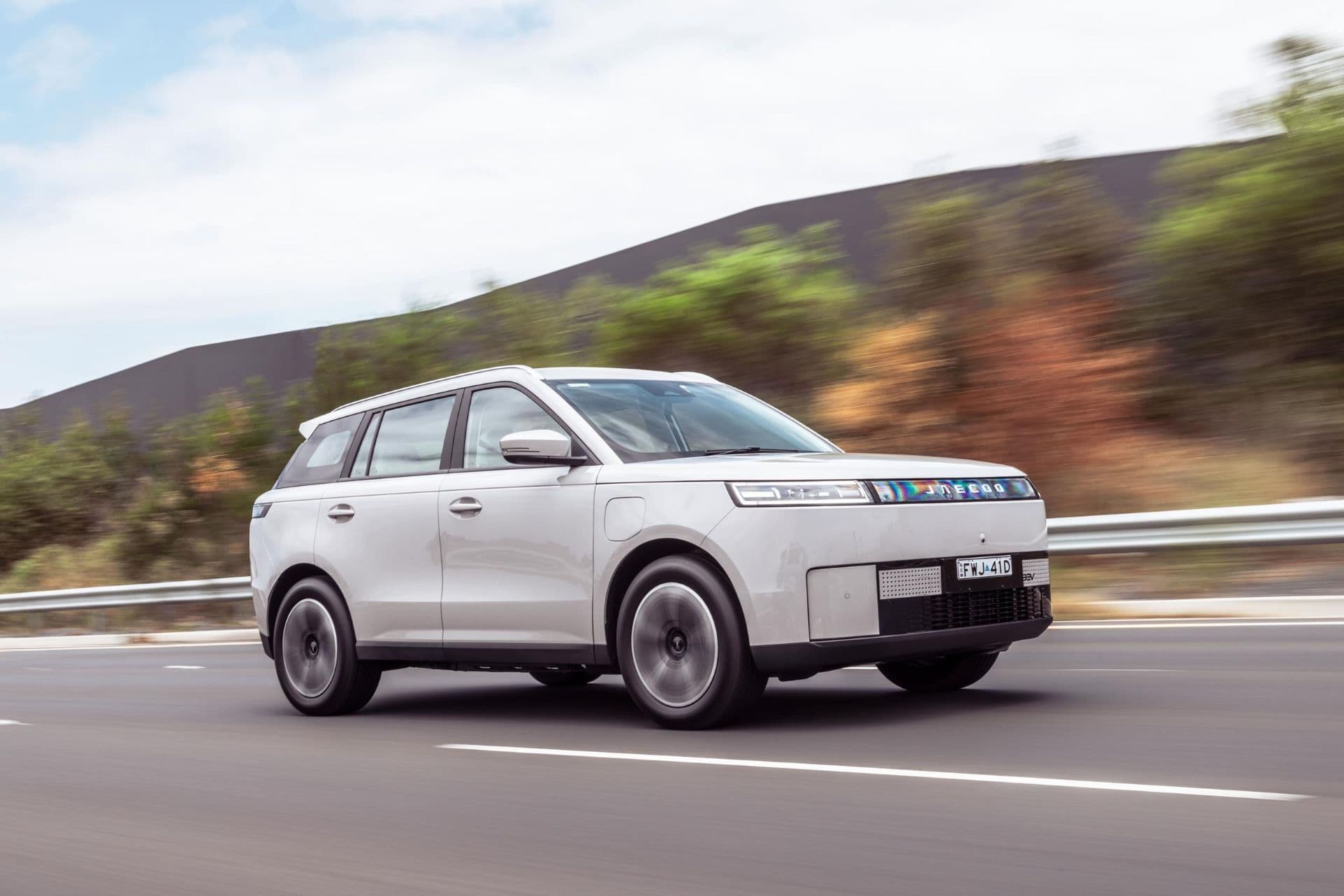
The weakening performance of Japanese brands coincides with a rapid influx of Chinese manufacturers into emerging markets. Companies such as BYD, Great Wall Motors, Chery and SAIC – virtually absent from Thailand as recently as 2020 – are now establishing themselves as major competitors by offering low-cost vehicles with increasingly strong quality credentials. BYD alone sold nearly 27,000 vehicles in Thailand in 2024, outpacing the volumes of several long-established Japanese rivals.
Thailand has become a focal point of this shift. Honda has consolidated its factories there, Nissan has closed one plant, and Mitsubishi has suspended operations at one of its three facilities. For Ford, however, Chinese pressure has posed less of a threat. Its strong position in the region’s pickup truck segment, led by the Ranger and Everest models, has helped it maintain a solid presence. The acquisition of Suzuki’s plant will give Ford a third facility in Thailand, where it already has a major manufacturing base and a joint venture with Mazda.
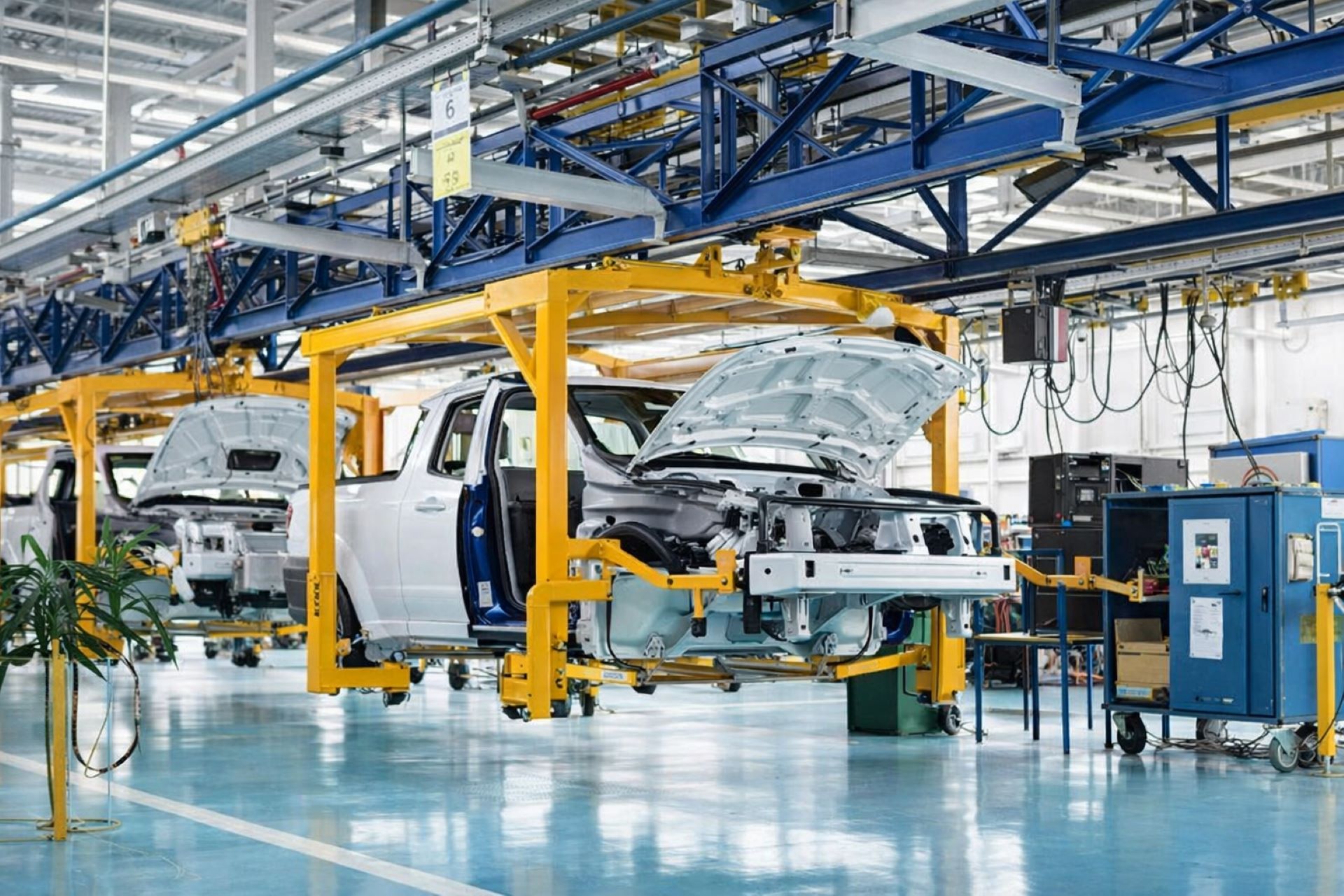
Ford has not yet revealed its plans for the newly acquired site, but highlighted its strategic location next to existing Ford operations and its potential to support future regional production needs.
A parallel trend is unfolding in South Africa. Chery, which entered the market only in 2022, recorded more than 23,000 sales in 2024. Nissan’s sales, by contrast, dropped to 22,288 in the same year, down dramatically from a high of 55,000 in 2018. The company’s Rosslyn plant outside Tshwane, with capacity for 45,000 vehicles annually, produced just over 13,000 in 2024. If the sale to Chery proceeds, production of the Navara will end in May, with most of the existing employees expected to be retained under new management.
For Chinese brands, these acquisitions support a broader strategy of building vehicles closer to key growth markets. Chery, now one of China’s top exporters, shipped more than a million vehicles overseas in 2024 but is increasingly investing in overseas manufacturing.
As competition intensifies, the reshaping of global automotive production is accelerating, and Japanese carmakers find themselves fighting to maintain relevance in markets they once confidently controlled.
Staff Writer
Reporting from the front lines of the automotive industry, delivering expert analysis and the technical updates that drive the South African motor sector forward.