The automotive industry embraces 2026 in a period of accelerated reinvention, shaped by shifting policies, evolving consumer expectations and intensified global competition, according to a white paper published by Messe Frankfurt in partnership with Frost & Sullivan.
Manufacturers and suppliers find themselves reassessing long-standing strategies as technology, economics and international collaboration converge to redefine the sector’s direction.
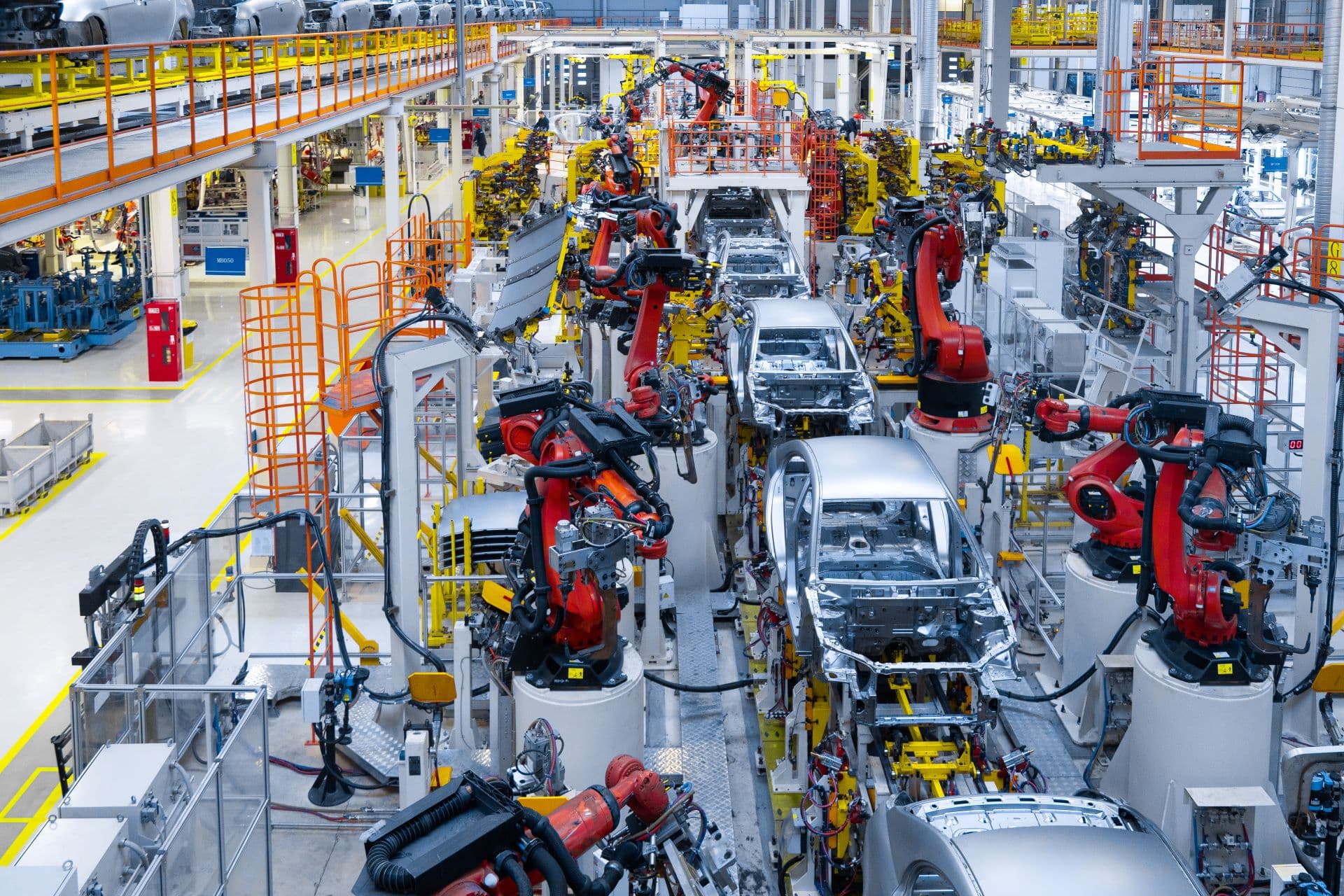
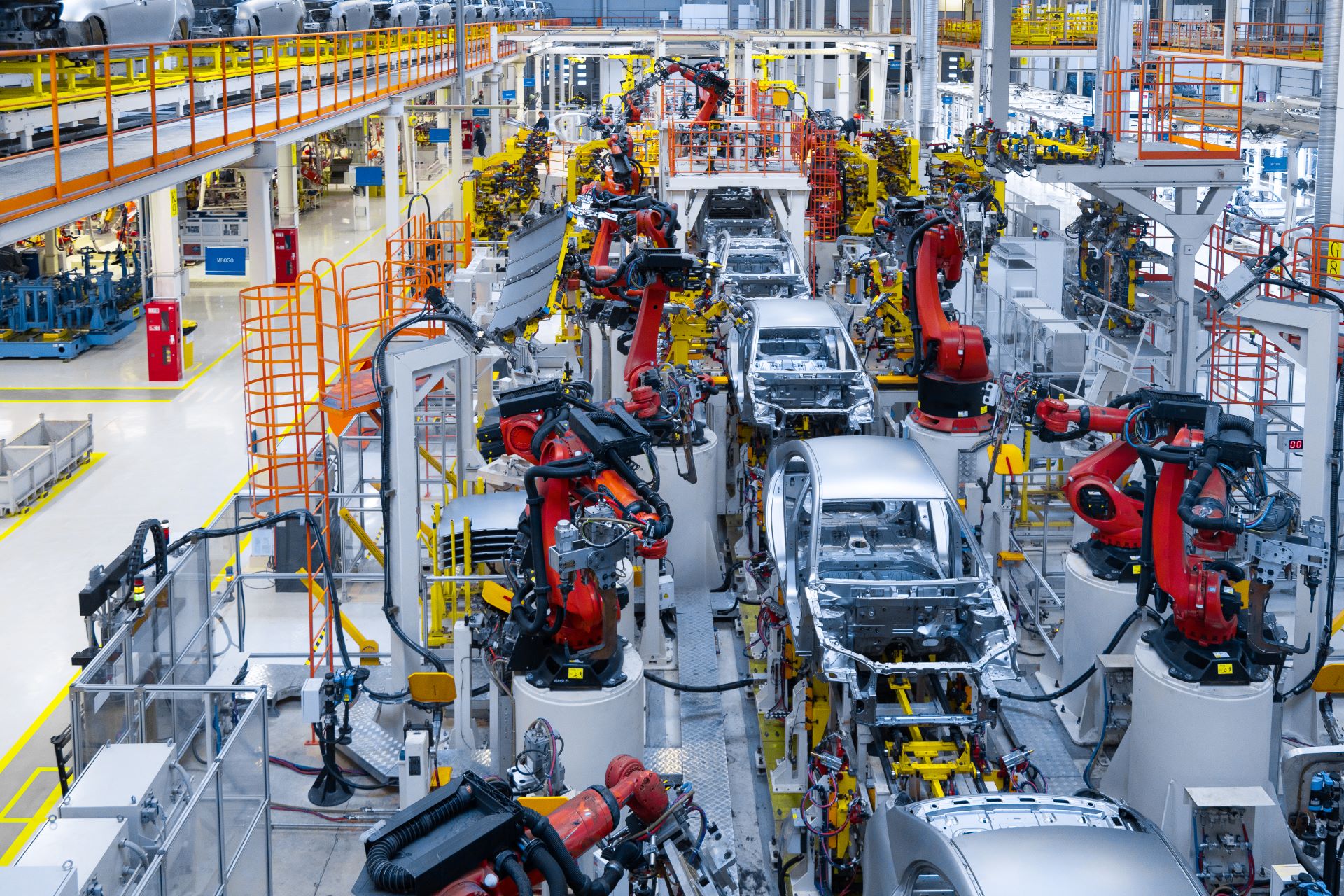
One of the most notable developments is the tightening of vehicle development cycles. Workflows that historically required four to five years are now being compressed to roughly eighteen to twenty-four months. This dramatic acceleration reflects not only competitive pressure but also the expanding influence of software in modern vehicle design, where digital capabilities increasingly determine product value and differentiation.
Policy changes across global markets are similarly influential. Governments are weighing sustainability commitments against economic realities, leading to a more balanced approach to propulsion technologies. As a result, interest in traditional powertrains is resurfacing in several regions, even as electrification continues to progress elsewhere. Consumer sentiment mirrors this complexity: demand for battery-electric vehicles remains uneven worldwide, while hybrids are benefiting from growing interest among buyers prioritising affordability, convenience and charging accessibility.
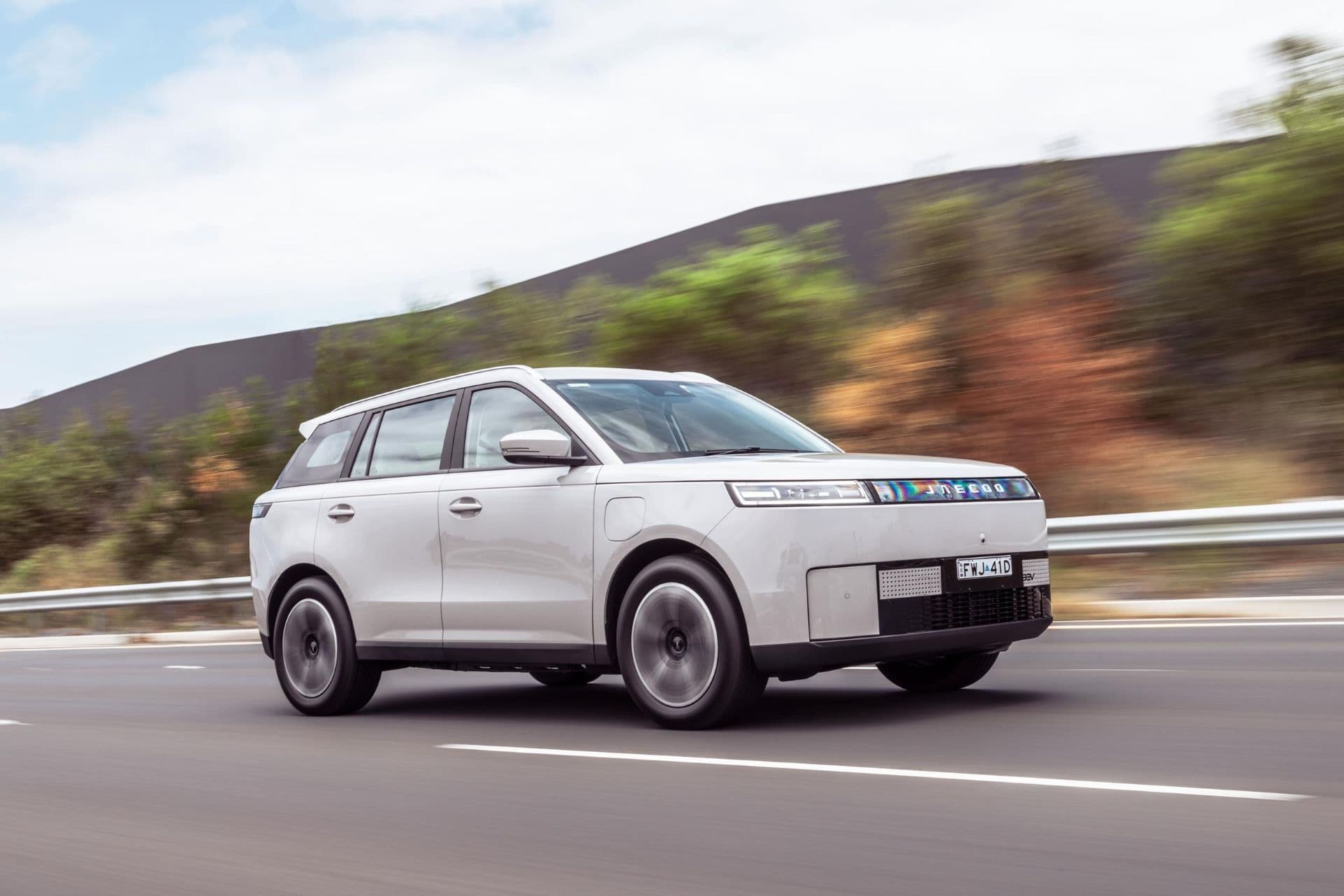
The rising presence of Chinese manufacturers is another defining force. Their expanding influence is reshaping product platforms, supply chains and competitive dynamics across continents. Partnerships between established global carmakers and Chinese OEMs are becoming more common, accelerating innovation while simultaneously sharpening competition in key markets across Europe, Asia and South America. Such cross-border alliances are increasingly viewed as pivotal to future market leadership.
Technology continues to underpin nearly every aspect of the industry’s transformation. Connected services, artificial intelligence and over-the-air updates are altering how drivers interact with vehicles throughout their ownership journey. Safety-led connected features remain especially important to consumers, although concerns regarding data usage and privacy persist. Meanwhile, greater acceptance of AI-driven personalisation reinforces the sector’s shift towards software-defined vehicles that evolve continually through digital enhancements.
Broader market conditions remain turbulent. Forecasts suggest that global light-vehicle sales will hold steady at around 91.8 million units in 2026, despite lingering challenges related to tariffs, supply chain uncertainty and high interest rates. Regional performance varies, with China and North America expected to experience declines, while India continues to lead growth across South Asia.
Against this backdrop, industry success increasingly hinges on agility, collaboration and technological leadership. With development timelines shrinking and global partnerships expanding, 2026 represents a decisive year in the race to deliver cleaner, smarter and more accessible mobility.
Staff Writer
Reporting from the front lines of the automotive industry, delivering expert analysis and the technical updates that drive the South African motor sector forward.