China’s Geely Auto has unveiled a new hybrid powertrain that it hopes will disrupt a market long dominated by Japanese carmakers, led by Toyota.
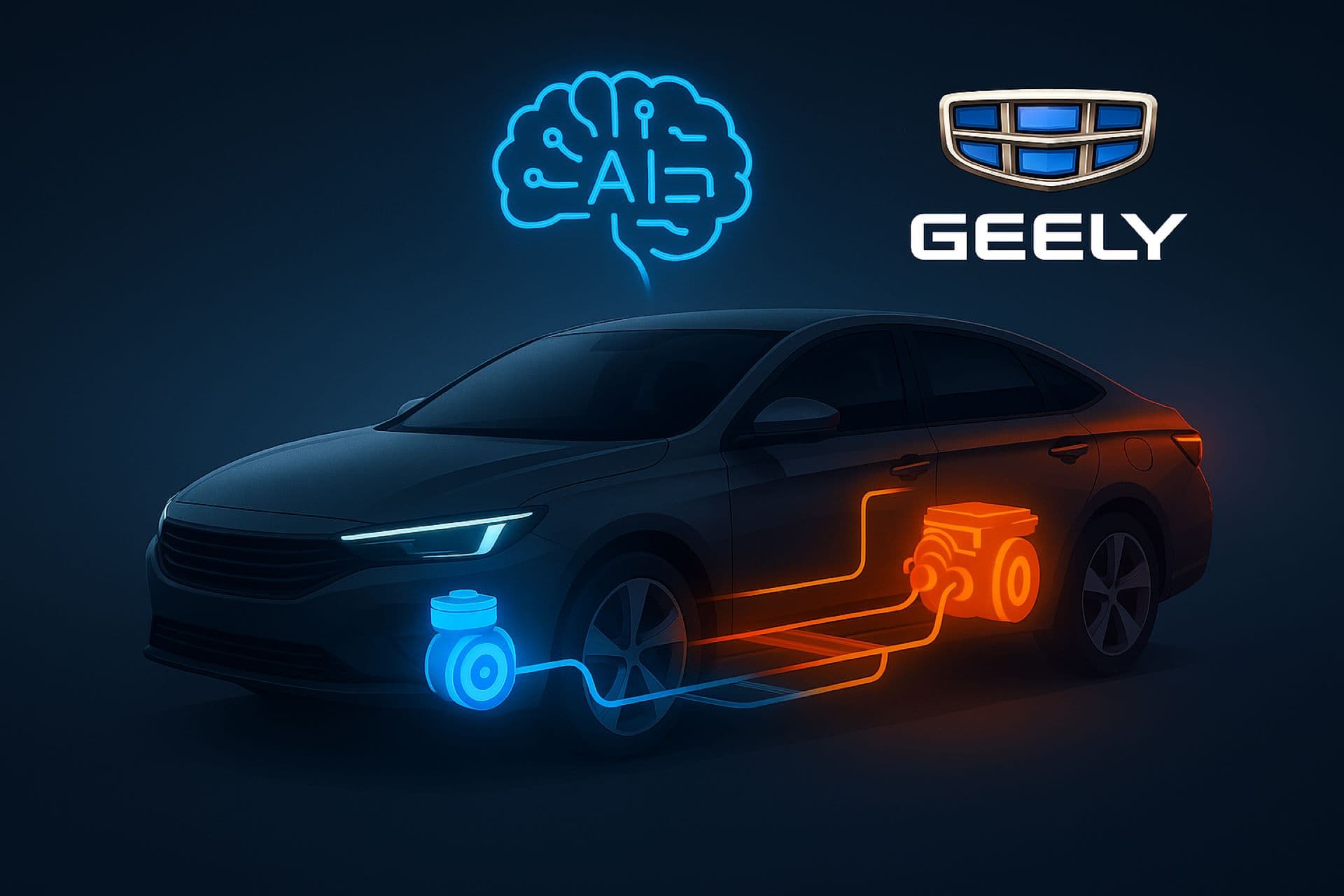
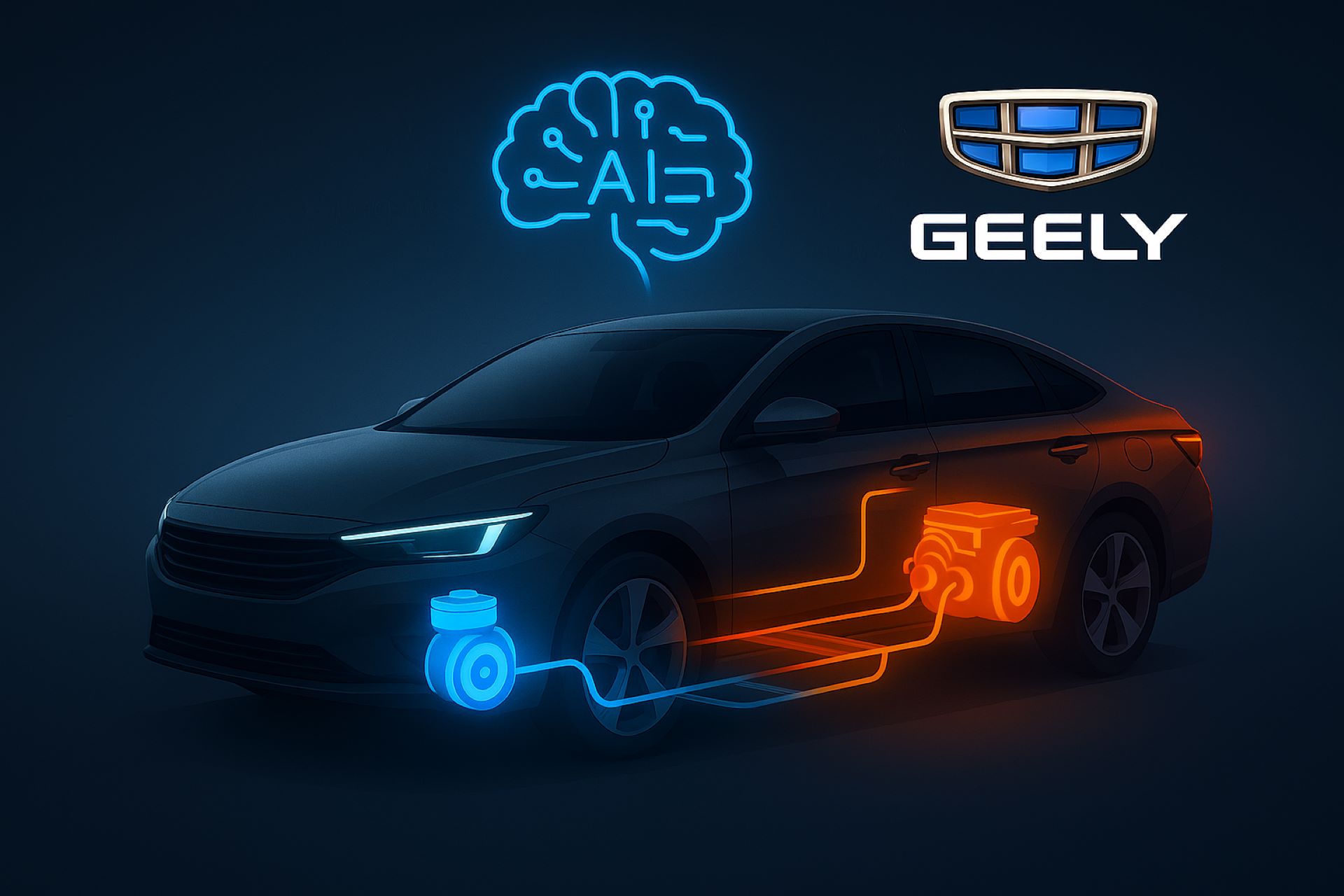
The company’s i-HEV Intelligent Hybrid system combines petrol and electric power with artificial intelligence, delivering headline-grabbing fuel economy figures and a sharper focus on vehicle intelligence.
At the centre of the system is an AI-driven energy management platform that continuously analyses real-world conditions, including temperature, humidity and altitude, to optimise how energy is used.
In highway testing, a Geely Emgrand equipped with i-HEV achieved fuel consumption of just 2.22 litres per 100 kilometres, a figure verified by Guinness World Records and equivalent to roughly 45 km per litre.
Geely says the technology is designed to address areas where conventional hybrids have seen incremental rather than transformational gains. The system features a hybrid-dedicated engine with thermal efficiency of more than 48 per cent, alongside a compact battery and a high-output electric motor. Unlike plug-in hybrids, it does not require external charging, keeping costs and weight down while retaining strong electric assistance at low speeds.
Another cornerstone of the strategy is computing power. Built on Geely’s own vehicle architecture, i-HEV allows for smart driving functions and advanced driver assistance features that the company argues are not yet widely available in rival Japanese hybrids. This reflects a broader shift in the industry, where software and onboard intelligence are becoming as important as mechanical efficiency.
The technology will be rolled out during 2026 across several high-volume models, including the Preface, Monjaro, Starray and Emgrand. Analysts see the launch as a significant challenge to Japanese manufacturers, who have controlled the full-hybrid segment since Toyota introduced the first Prius in 1997 and went on to build a formidable global lead.
While China has focused heavily on battery-electric and plug-in hybrid vehicles, Geely’s move suggests renewed confidence in conventional hybrids, particularly in markets where charging infrastructure remains limited. With hybrids continuing to play a crucial role in the transition away from pure petrol engines, the battle for leadership in this profitable segment is entering a new phase.
Sources: Reuters; CarNewsChina
Staff Writer
Reporting from the front lines of the automotive industry, delivering expert analysis and the technical updates that drive the South African motor sector forward.