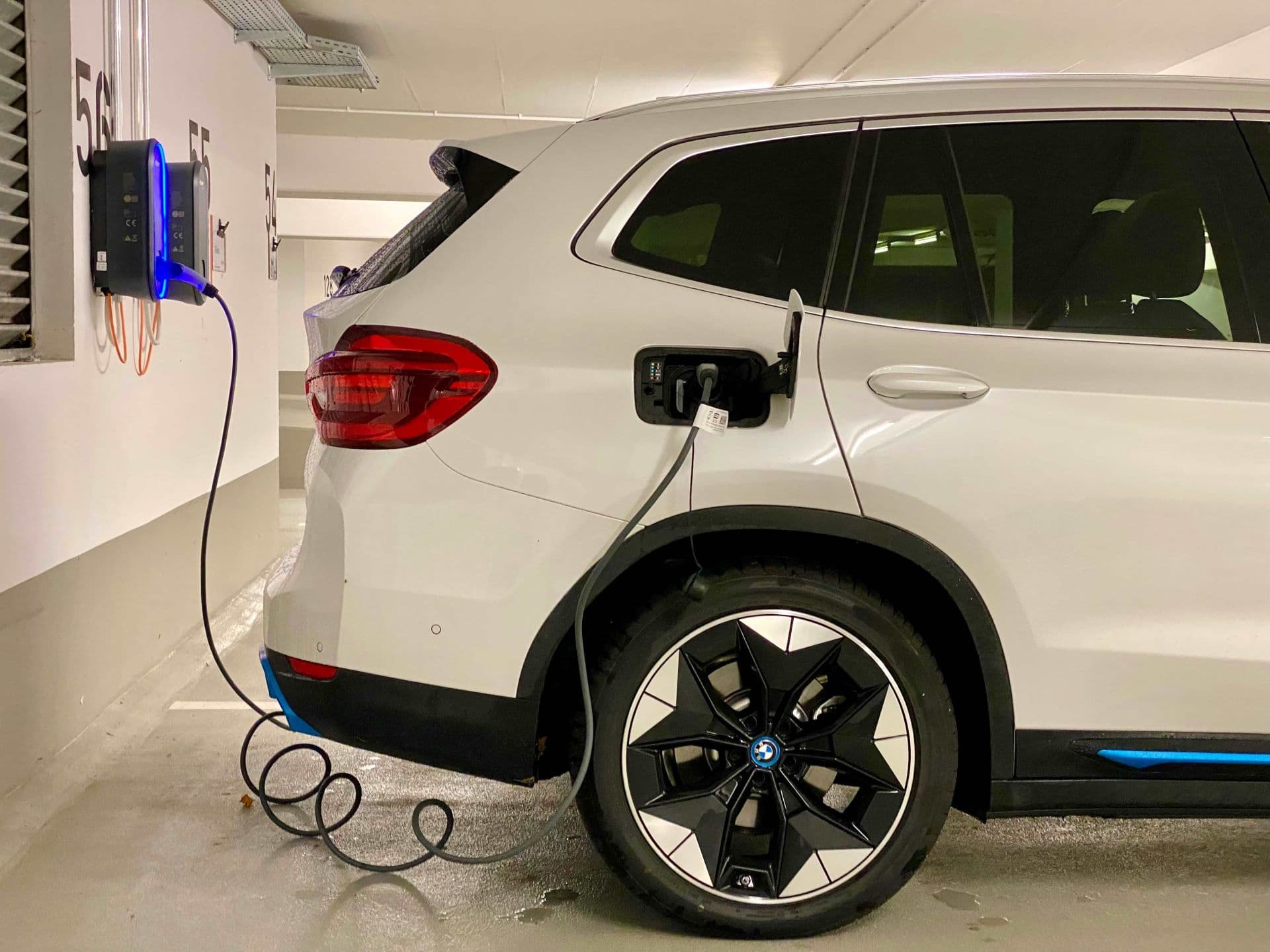
According to Reuters, nearly €200 billion has been committed across the European Economic Area and Switzerland to strengthen the electric vehicle supply chain, from batteries to charging networks.
The scale is striking, but so is the reason: Europe is trying to reduce dependence on China, which has dominated battery manufacturing in recent years.
New Automotive’s tally shows €109 billion earmarked for the battery supply chain, €60 billion for EV manufacturing, and roughly €23 billion to €46 billion for public charging. More than one million public charge points have already been deployed, a sign that the transition is no longer confined to pilot projects and early adopters.
The strategic anxiety is understandable. The International Energy Agency has warned that China produced over 80% of batteries made in 2025, including those used beyond the car market. Europe, by contrast, currently produces batteries for around one in three EVs sold domestically. In theory, announced capacity could cover future demand if projects are completed and fully utilised.
Germany has attracted almost a quarter of the region’s investment, reflecting familiar patterns in European carmaking. It remains the anchor market for both vehicle assembly and the wider value chain, as established manufacturers retool legacy plants and battery makers set up close to existing automotive clusters.
Campaign group E-Mobility Europe says the commitments already support more than 150,000 jobs, with a further 300,000 possible if all announced projects go ahead. That promise of industrial renewal is now central to the politics of electrification, particularly as households remain sensitive to vehicle prices and running costs.
Yet the investment surge is unfolding alongside a messier policy landscape. In December 2025 the European Commission presented an Automotive Package that signalled greater flexibility for manufacturers, shifting the post-2035 framework towards a 90% tailpipe emissions reduction rather than an effective ban on combustion engines. Support measures, including a ‘Battery Booster’, aim to reinforce domestic production, but the mixed signals risk slowing private decision-making.
Analysts argue Europe will still need targeted subsidies, protection from unfair competition, and more predictable energy prices to stay competitive. The real test is delivery: turning pledged billions into operating gigafactories, resilient supply chains, and chargers that work reliably across borders. Europe has put serious money on the table. Now it must prove it can build at speed, and stick to a clear direction long enough for industry and consumers to follow.
Staff Writer
Reporting from the front lines of the automotive industry, delivering expert analysis and the technical updates that drive the South African motor sector forward.