Autonomous driving technology has captured unprecedented consumer interest, with new research revealing a dramatic shift in buyer preferences towards hands-free vehicle systems.
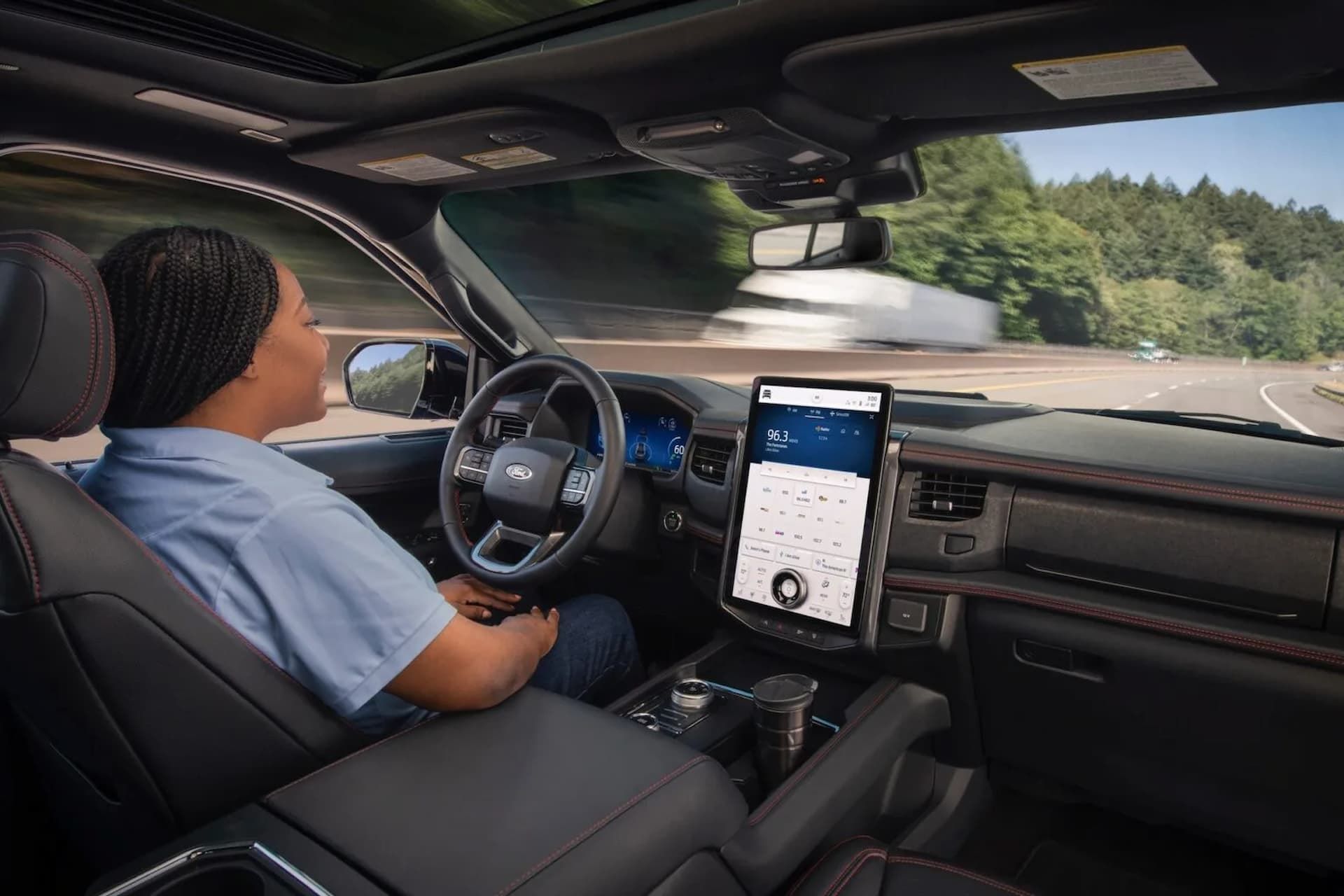
AutoPacific’s 2025 Future Vehicle Planner, surveying nearly 18,000 prospective car buyers, shows that 43% now desire hands-off semi-autonomous driving for motorway use—a remarkable 20 percentage point increase from 2024. This technology, exemplified by GM’s Super Cruise and Ford’s BlueCruise, allows drivers to remove hands from the steering wheel whilst maintaining attention during highway travel.
Safety and Convenience Drive Adoption
Sharing top position with semi-autonomous driving, rear automatic emergency braking appeals to an equal 43% of consumers. This safety feature automatically prevents reversing collisions by detecting obstacles and applying brakes when needed. Its growing presence in mainstream vehicles has allowed drivers to experience real-world safety benefits firsthand.
The study identifies eight autonomous and driver assistance features among 2025’s 15 most desired characteristics, including adaptive cruise control with lane centring, lane change assistance, and fully autonomous systems requiring no driver intervention.
Younger Buyers Lead the Charge
A key factor driving this enthusiasm is demographic change. The median survey respondent age dropped from 44 to 39 years between 2024 and 2025, reflecting Generation Y and Z consumers' growing market influence. These younger buyers demonstrate higher comfort levels with autonomous technology and greater willingness to embrace vehicle innovation.
Research indicates consumers increasingly trust advanced safety systems that automatically prevent accidents, whilst growing numbers want vehicles capable of autonomous operation, enabling passengers to work, read, or watch entertainment during journeys.
Technology Acceptance Grows Through Experience
Consumer confidence hasn’t developed in isolation. Practical exposure through robotaxis in metropolitan areas and controlled environments like industrial parks is demystifying autonomous technology and building trust in its capabilities.
However, a crucial distinction emerges between consumer interest and purchase requirements. Whilst established features like all-wheel drive, blind spot cameras, and wireless smartphone connectivity achieve "must-have" status with over 60% of interested buyers, cutting-edge autonomous features remain largely "nice-to-have."
The most desired feature—hands-off motorway driving—is considered essential by only 33% of consumers wanting it, reflecting natural hesitation towards new technology until widespread adoption occurs.
Market Implications
This creates significant opportunities for forward-thinking manufacturers. Companies successfully integrating highly desired but uncommon autonomous features can gain substantial competitive advantages over rivals who lag in technological implementation.
As younger, tech-savvy consumers increasingly dominate the market and real-world autonomous technology exposure grows, conditions appear ideal for widespread advanced driver assistance adoption.
The automotive industry stands at a transformation threshold, where driver-vehicle relationships will be fundamentally redefined. With consumer trust building and production costs decreasing, technology is poised to play increasingly prominent roles in ensuring both road safety and driving convenience, marking a pivotal moment in automotive evolution.
Staff Writer
Reporting from the front lines of the automotive industry, delivering expert analysis and the technical updates that drive the South African motor sector forward.
More news from General News