South Africa is facing what the Automobile Association describes as a growing vehicle safety crisis, as more than 50 000 vehicles were recalled in 2025. These recalls, affecting a wide range of well-known brands, expose deep concerns about quality assurance and regulatory oversight.
The AA argues that the system has become reactive, with motorists alerted to risks only after faulty vehicles are already in use.
The scale of the problem was highlighted in May 2025 when four recall notices were issued for serious defects. These included passenger airbag inflators that could rupture on deployment in vehicles sold between 2014 and 2016, as well as seatbelt latch plates that did not offer sufficient retention hardness.
High voltage battery systems at risk of overheating, posing potential fire hazards, added to the seriousness of the situation. The recalls even extended to motorcycles showing critical engine and drivetrain faults, revealing how widespread the safety concerns have become.
The AA identifies three major weaknesses that contribute to this situation. Faults often emerge long after vehicles have been sold, many motorists remain unaware of recalls because the system relies on them to track notices themselves and the National Consumer Commissioner lacks the mandate to conduct pre market testing. This leaves the country reliant on manufacturer self-reporting.
A further challenge is the absence of an independent automotive testing authority. Although the Motor Industry Ombudsman offers technical support during recalls, its small team cannot provide the comprehensive testing South Africa needs.
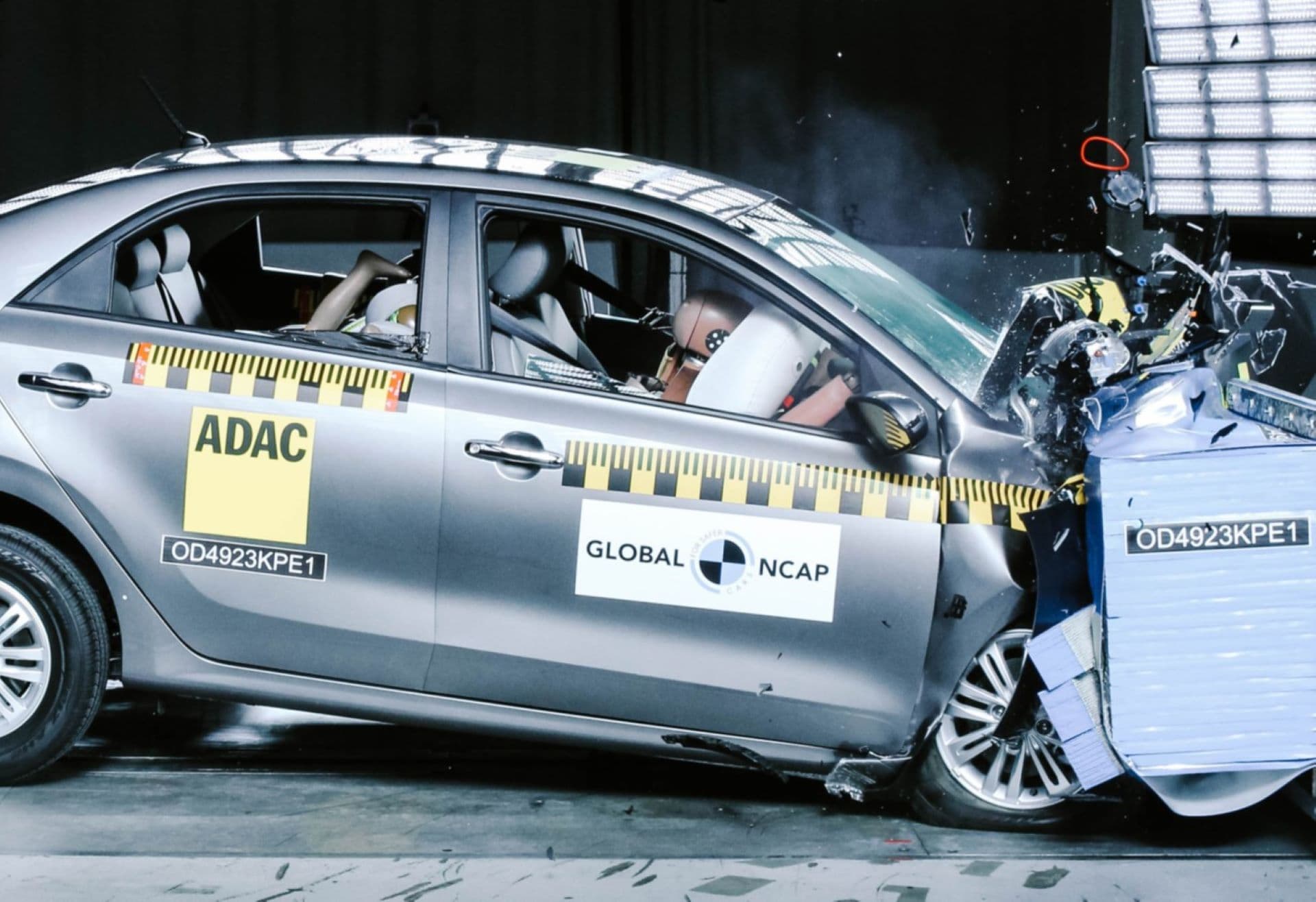
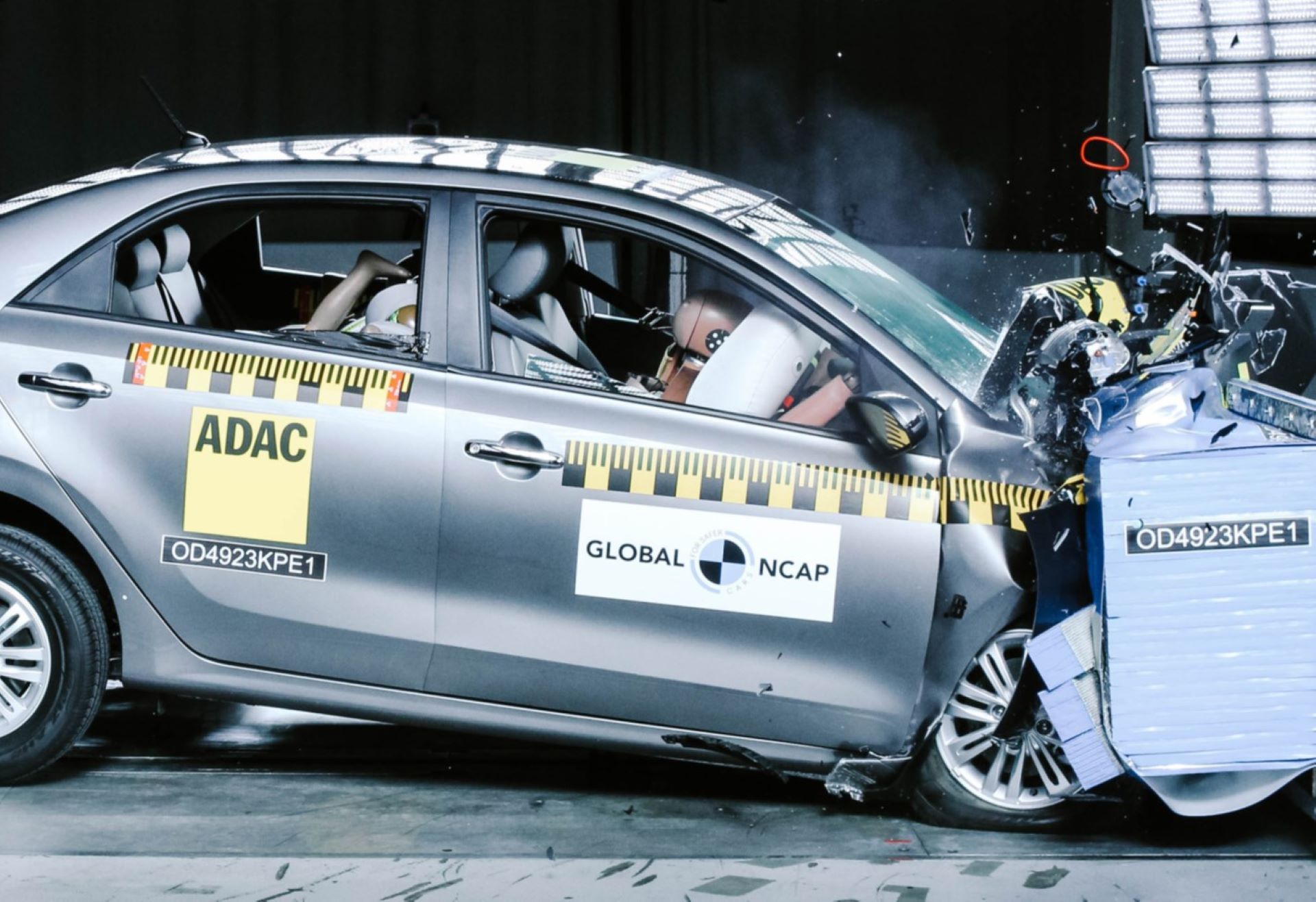
Drawing on its partnership with Global NCAP through the SaferCarsForAfrica campaign, the AA has already overseen independent crash tests of entry level models sold locally. These assessments revealed that some vehicles provide lower levels of protection than their counterparts in other markets.
The AA now urges South Africa to adopt a preventative approach. Mandatory crash testing, star ratings and stronger certification could drive higher standards, restore confidence and ensure that every vehicle entering the market meets essential safety expectations.
Staff Writer
Reporting from the front lines of the automotive industry, delivering expert analysis and the technical updates that drive the South African motor sector forward.