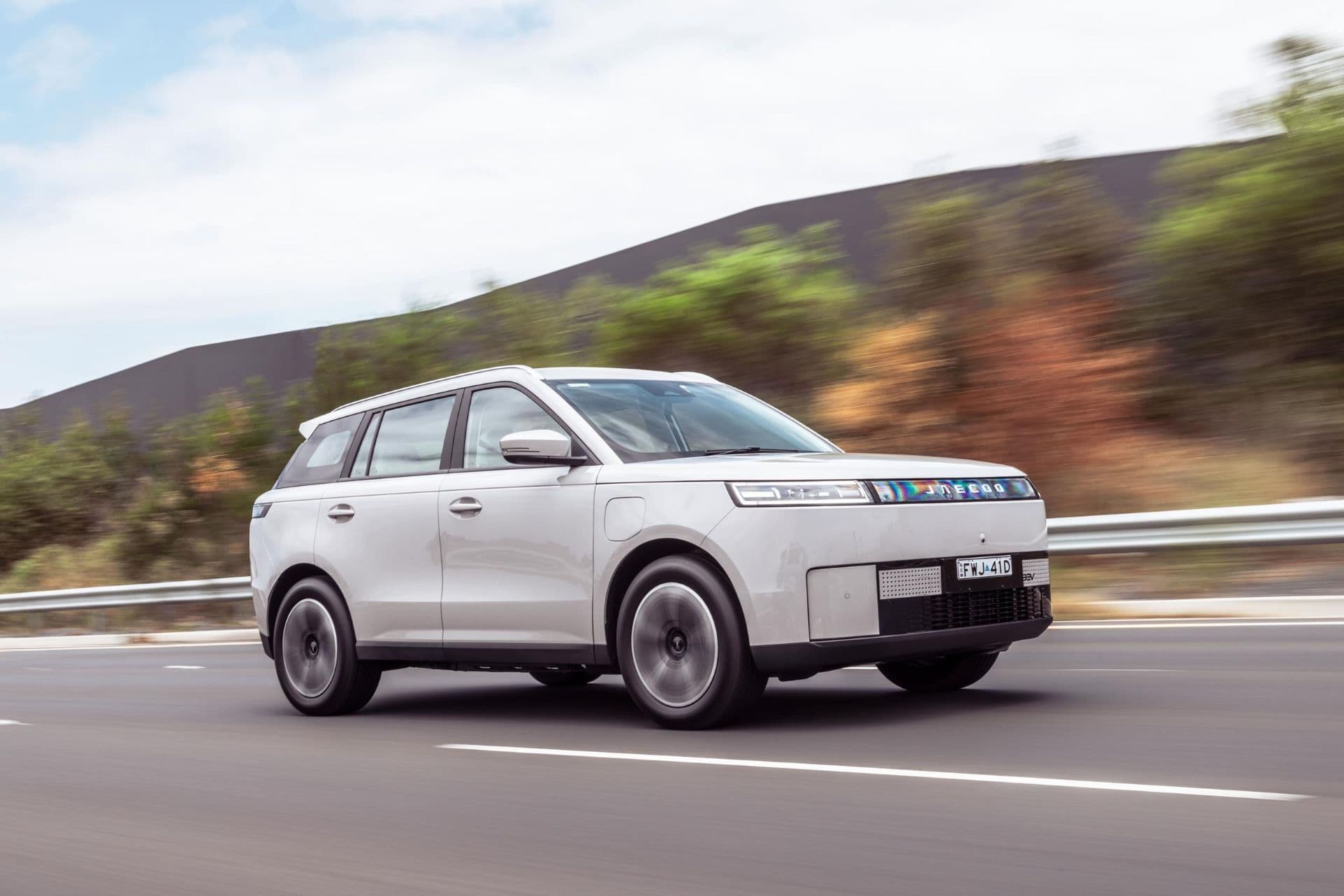
Chinese carmakers are rapidly reshaping Europe’s automotive landscape, closing 2025 with their strongest performance to date.
In December 2025 alone, brands from China accounted for almost one in ten passenger cars sold across the continent, a record share that underlines how quickly they have moved from niche players to serious competitors.
The surge has been driven overwhelmingly by electrified vehicles. Battery-electric and plug-in hybrid models now form the backbone of Europe’s market growth, and this is where Chinese manufacturers hold a decisive advantage. Leveraging scale, cost-efficient production and deep expertise in battery technology, they have attracted buyers from southern Europe to the United Kingdom (UK) with competitively priced, well-equipped cars.
By the end of the year, Chinese brands represented around 16 per cent of Europe’s electrified car sales for December and roughly 11 per cent for the year as a whole, more than double their share just a year earlier. Established names such as BYD and MG were joined by fast-growing newcomers including Leapmotor and Chery, while the overall footprint expands further when vehicles built in China for Western brands are included. On that broader measure, roughly one in seven electrified cars sold in Europe last year were manufactured in China.
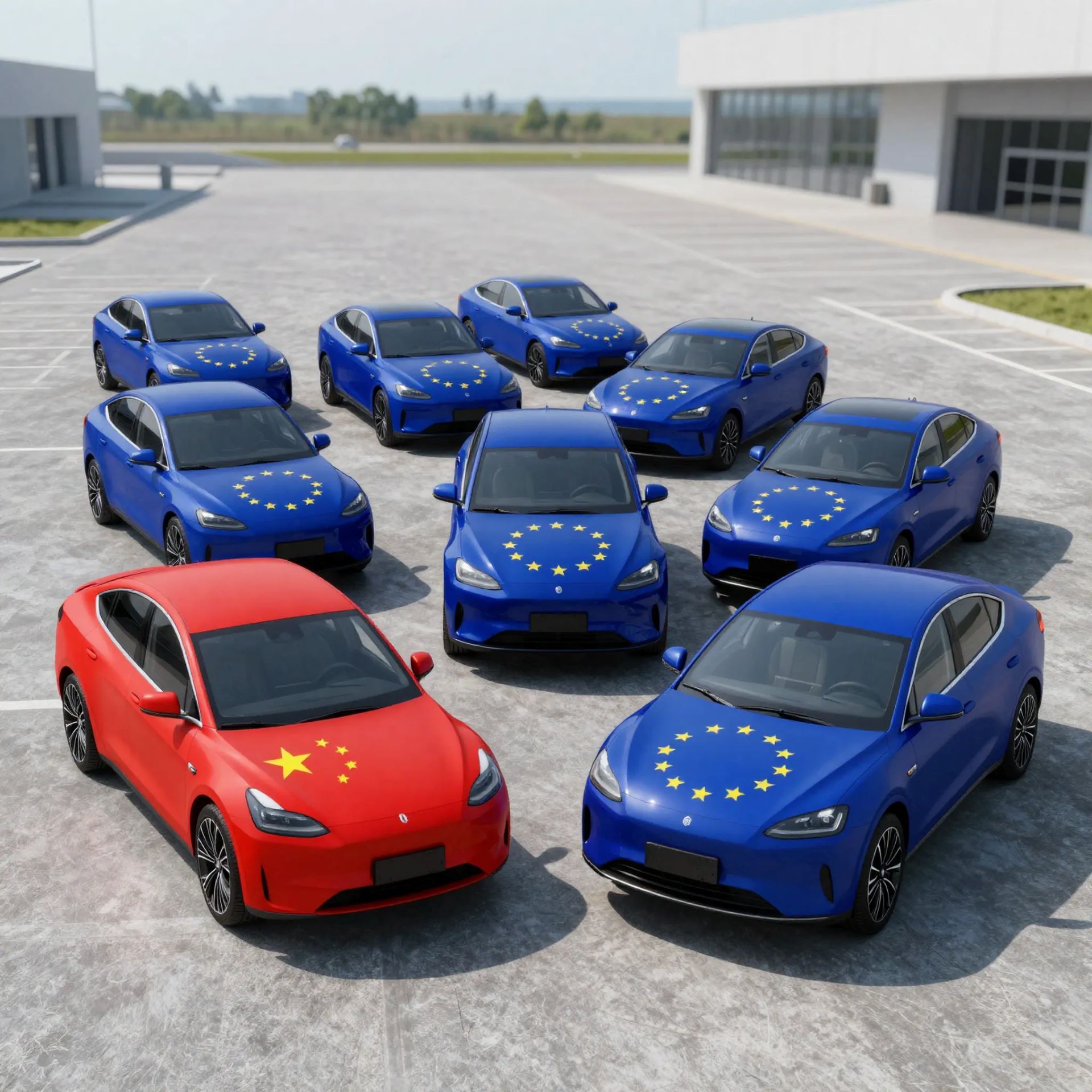
This rapid advance has sharpened anxieties within Europe’s car industry, a sector that underpins millions of jobs and a significant share of European Union (EU) economic output. European manufacturers are already grappling with weak demand in China and trade tensions with the United States (US), leaving their home market as a crucial line of defence. Industry leaders warn that without swift adaptation; recent job losses could deepen.
Yet the picture is not uniformly bleak. European groups are beginning to roll out more affordable electric models, and in key markets such as Germany and France they have largely held their ground. At the same time, Chinese firms are embedding themselves locally rather than relying solely on imports. New factories, joint ventures and design centres are planned or under construction in Spain and elsewhere, with promises to use European suppliers and create jobs.
Policy responses remain contentious. EU tariffs on Chinese-made electric vehicles (EVs) have had limited impact, while debates continue over subsidies, minimum pricing and the future of the 2035 combustion-engine ban. Consumers, meanwhile, appear guided less by industrial politics than by value for money. Lower-priced Chinese plug-in hybrids and EVs are finding a receptive audience among cost-conscious buyers, suggesting that competition in Europe’s car market is only set to intensify.
Staff Writer
Reporting from the front lines of the automotive industry, delivering expert analysis and the technical updates that drive the South African motor sector forward.