
The Consumer Electronics Show (CES) 2026, a leading technology trade show, was an especially significant year for the automotive sector, with technological innovation taking centre stage in Las Vegas.
While fully new production vehicles were less prominent than at traditional motor shows, manufacturers and suppliers used the event to underline the shift from hardware alone to software-centric, AI-driven mobility.
AI-Driven Cockpits and In-Vehicle Intelligence
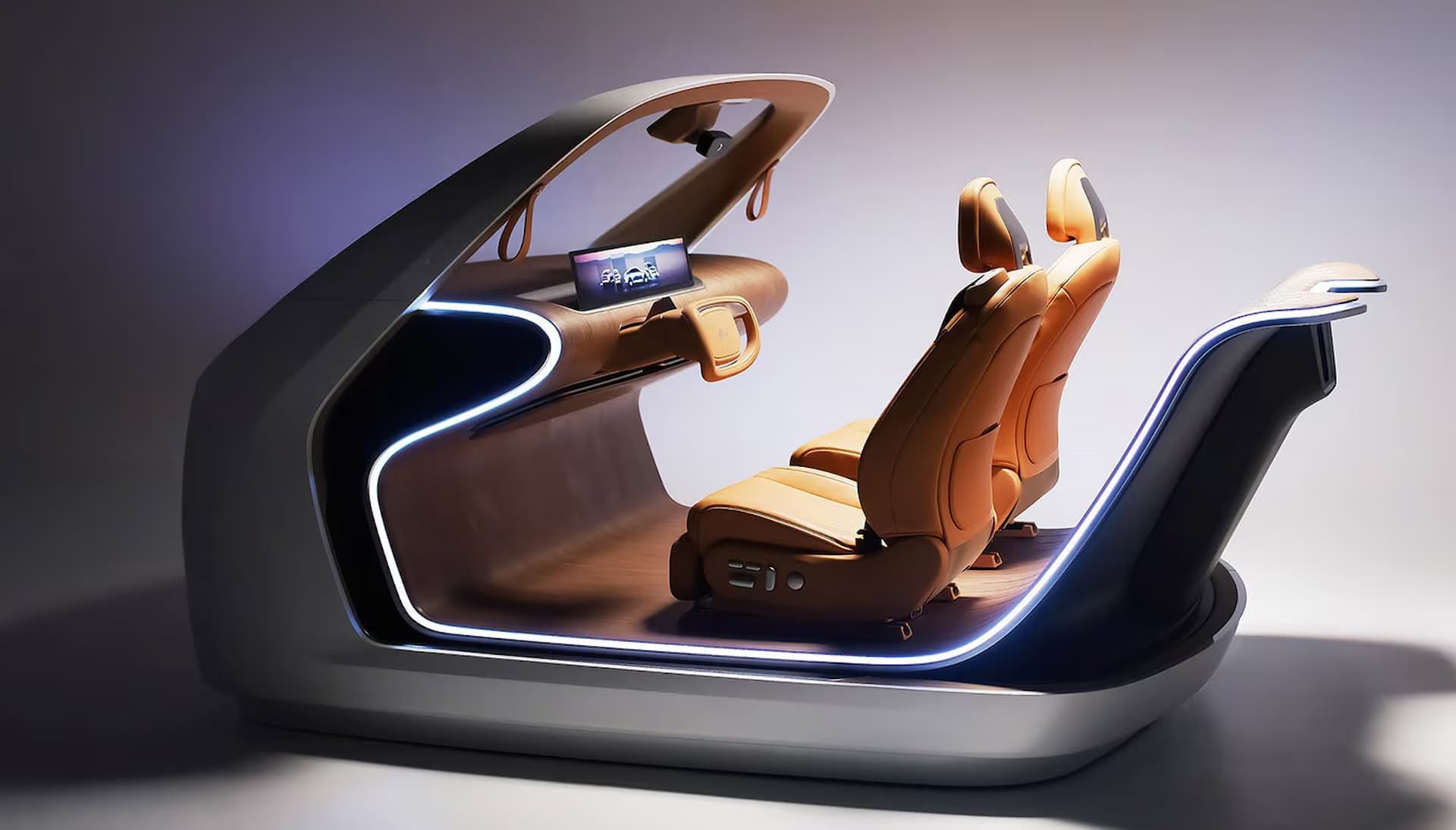
One of the defining trends at CES was the rise of artificial intelligence integrated deeply into vehicle systems. Traditional infotainment is rapidly evolving into context-aware, generative AI-enhanced cockpits that understand both driver intention and road conditions in real time. LG Electronics showcased its artificial intelligence (AI) Cabin Platform, powered by Qualcomm’s Snapdragon Cockpit Elite chipset, which uses large language and vision–language models to offer personalised assistance — from proactive safety alerts to adaptive in-car experiences — all computed locally without needing a cloud connection.
Suppliers like Bosch also demonstrated AI extension platforms that retrofit advanced intelligence into existing systems, enabling voice-activated productivity tools like Microsoft Teams while safety functions such as adaptive cruise control remain active in the background.
BMW took a different angle by enhancing its Intelligent Personal Assistant with Amazon’s new Alexa+ offering, making natural conversational control more intuitive and integrated into daily driving.
Software-Defined Vehicles and Scalable Platforms
Many exhibitors at CES emphasised software-defined vehicles (SDVs) — a paradigm where software determines capability, experience and safety as much as physical hardware does. aiMotive introduced a neural simulation and camera-plus-radar advance driving assistant systems (ADAS) stack for automated driving development, helping OEMs scale advanced driver-assist features whilst reducing complexity.
Similarly, DXC Technology unveiled AMBER, an open and modular automotive software platform tailored to manage infotainment, digital cockpits and connected systems across vehicle classes, paving the way for continuous updates and faster feature deployment.
Advanced displays were also on show, with firms like Tianma presenting immersive high-resolution cockpit screens and adaptive HUDs, emphasising how next-generation interfaces will support safety, navigation and entertainment.
Breakthrough Safety and Perception Technologies
CES 2026 wasn’t just about experiences — safety tech also stole headlines. Among the most talked-about reveals were AI-powered thermal cameras and enhanced V2X (vehicle-to-everything) communications, which can detect hazards beyond the view of a human driver.
Roadzen’s Drivebuddy AI exhibited advanced driver monitoring and cabin risk intelligence systems trained on billions of kilometres of data, aimed at reducing real-world accidents and improving fleet safety.
Moreover, Aptiv showcased next-generation AI-powered ADAS platforms integrating long-range radar with ultra-short-range sensing, delivering seamless 360° perception and smarter hands-free driving capabilities across urban and highway scenarios.
Everyday Smart Mobility and New Vehicle Concepts
Not all innovation was limited to high-end brands. Startups such as Strutt launched the ev¹, a “smart everyday vehicle” that redefines personal transport with robotics-inspired design and human-centred mobility concepts.
Hyundai Motor Group also leveraged the event to emphasise its connected mobility ecosystem rather than a single product, highlighting collaborations spanning AI robotics, components and software — signalling the industry’s move towards integrated mobility solutions over standalone vehicles.
Looking Forward
While CES is not a traditional automotive show, CES 2026 clearly illustrated where the industry’s focus lies: intelligence, software, connectivity and safety. From AI-enabled cockpits to scalable SDV platforms and perceptive safety systems, the technologies on show will shape how vehicles are experienced — transforming both driver and passenger roles in the years ahead.
Staff Writer
Reporting from the front lines of the automotive industry, delivering expert analysis and the technical updates that drive the South African motor sector forward.