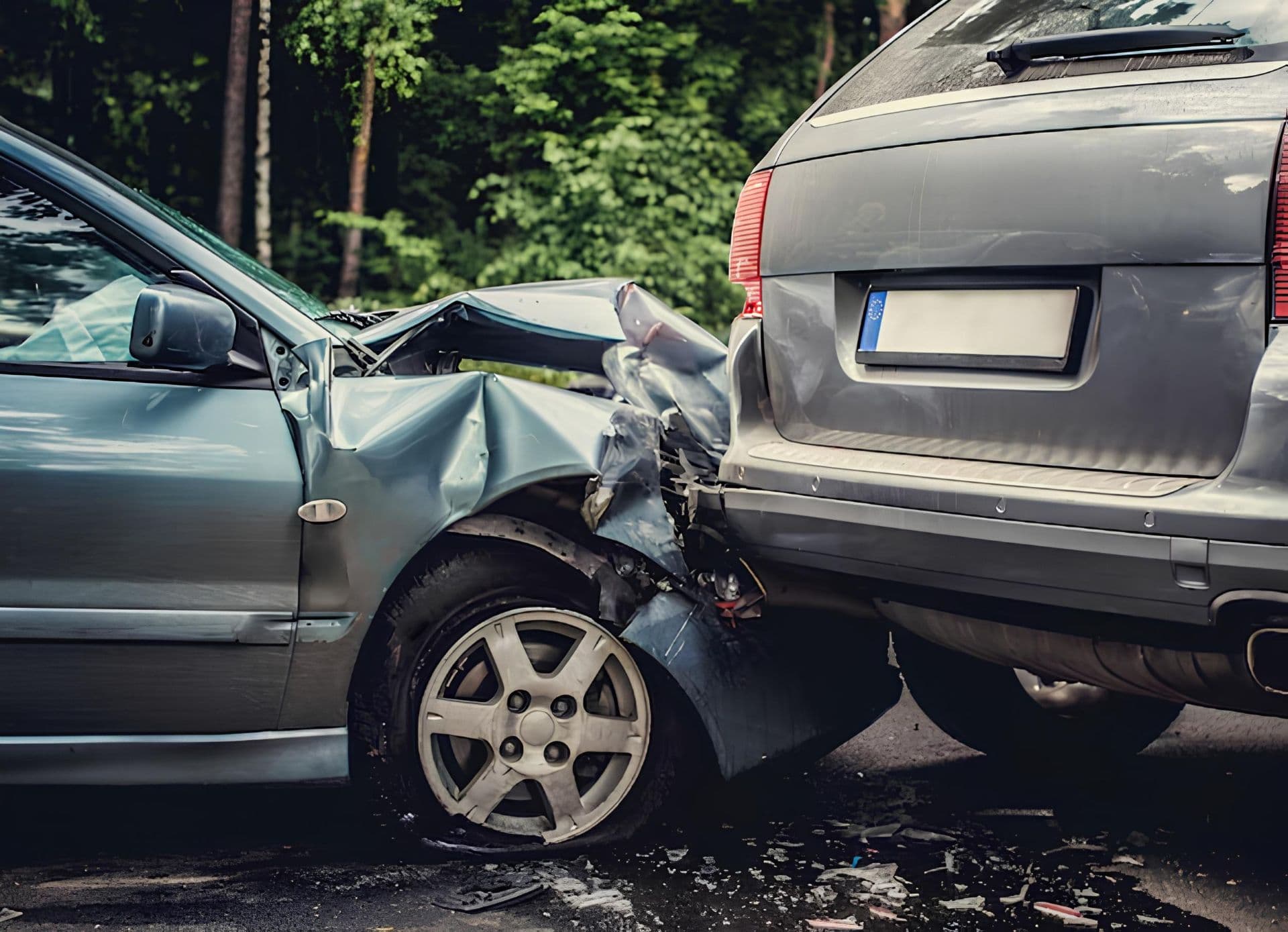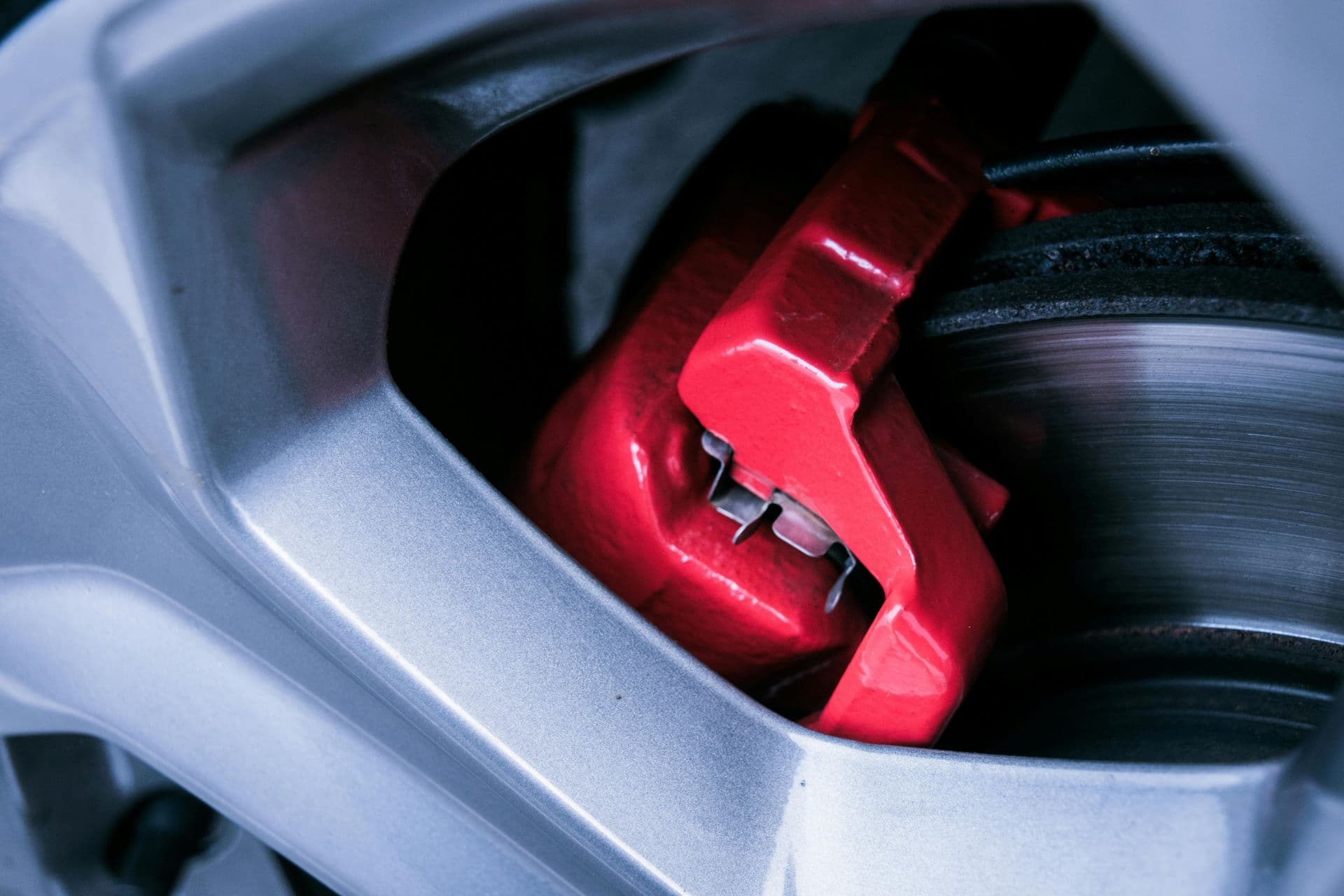
Ignoring worn or faulty brakes could leave South African motorists facing far more than a hefty repair bill. Industry bodies are warning that poor brake maintenance can raise safety risks, affect a vehicle’s roadworthiness and potentially complicate insurance claims after an accident.
The concern has been raised by Julian Pillay, national director of the Vehicle Testing Association (VTA), who says many drivers fail to act until braking problems become obvious. By then, the danger may already have increased significantly.
Brakes are among the most important safety systems in any vehicle, yet they are easy to take for granted. Worn pads, damaged discs and ageing brake fluid can all reduce stopping performance and make it harder for drivers to remain in control when they need to react quickly. In heavy traffic, wet weather or emergency conditions, that delay can have serious consequences.
There is also a legal dimension. In South Africa, vehicles are required to meet minimum safety standards to be considered roadworthy. If a braking system is found to be defective after a crash, that could become an important issue when responsibility and insurance liability are assessed.
The issue is made more pressing by the country’s testing rules. Private vehicles are generally only required to undergo a roadworthy test when ownership changes. By contrast, vehicles used for public transport and heavier commercial use are tested more frequently. Taxis and other reward-based passenger vehicles are tested every year, while buses must be tested every six months.
That means many privately owned vehicles can remain on the road for years without a formal inspection, even as owners delay servicing because of financial pressure. This has added to calls for stronger attention to routine maintenance, especially for safety-critical components such as brakes.
Warning signs should never be ignored. Squealing noises, vibration through the pedal, a spongy feel underfoot or longer stopping distances are all signs that the braking system needs urgent attention.
For motorists, the message is straightforward. A brake check is not simply another workshop expense. It is a basic safety measure that could help prevent accidents, protect passengers and reduce the risk of expensive fallout after a collision.
Staff Writer
Reporting from the front lines of the automotive industry, delivering expert analysis and the technical updates that drive the South African motor sector forward.