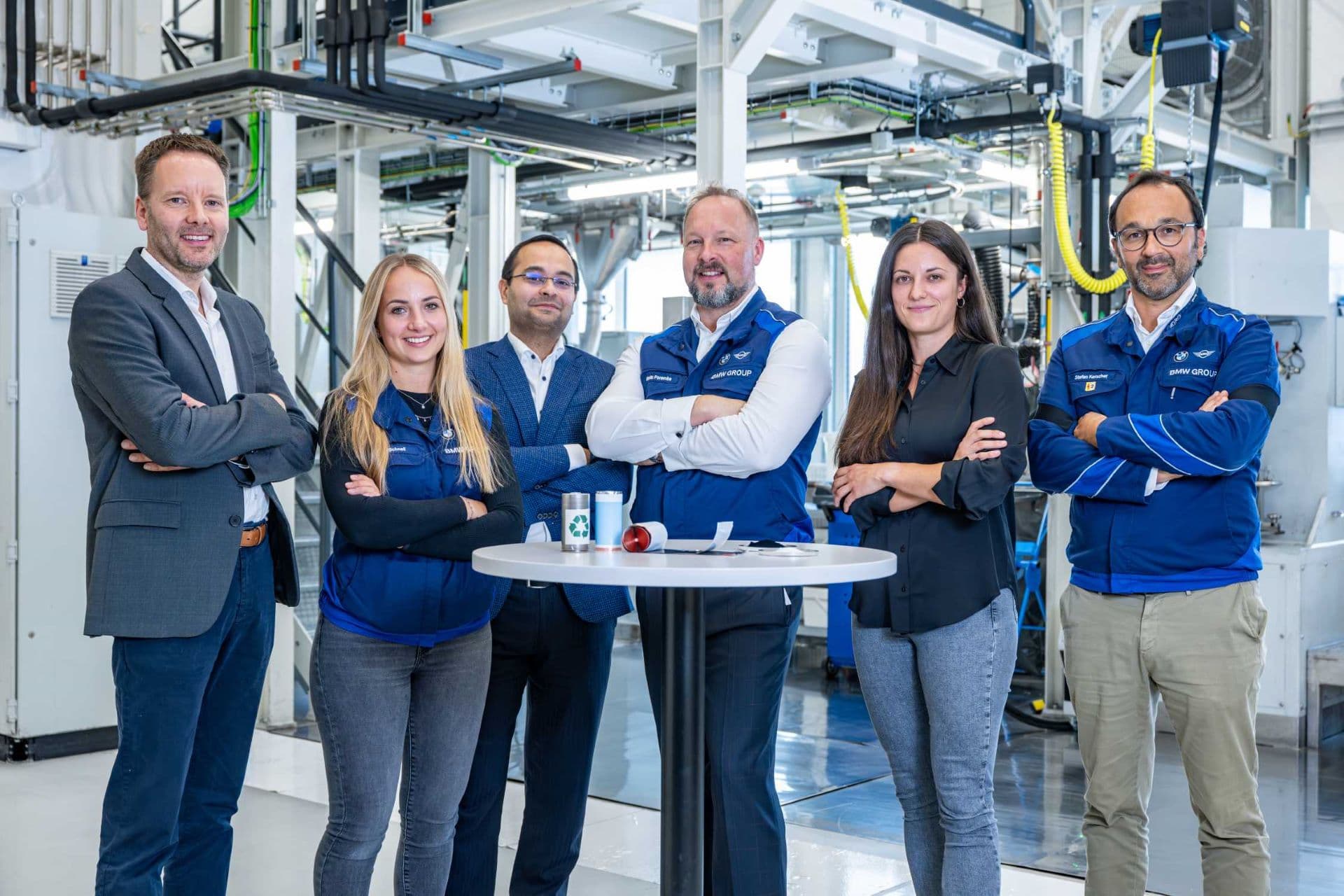
BMW Group’s Cell Recycling Competence Centre in Salching is emerging as a pivotal asset in strengthening Europe’s sustainable battery-material supply.
Developed in partnership with Encory GmbH, the site employs mechanical “direct recycling”, a process that avoids the chemical and thermal treatments used in conventional recycling. Instead, unused and surplus battery cells are dismantled so cathode and anode materials can be recovered in a form suitable for immediate reuse in pilot-cell production. This approach preserves more of the materials’ intrinsic structure, cuts emissions and reduces energy demand.
The centre operates within a repurposed industrial building offering roughly 2,100 square metres of production and warehouse space, enhanced by rooftop photovoltaic systems that supply part of its energy. Once fully scaled, it is expected to recycle material volumes in the mid double-digit-tonne range, with estimates across sources suggesting between 50 and 90 tonnes each year. The recovered material is channelled directly to BMW’s Cell Manufacturing Competence Centre in Parsdorf, ensuring a highly efficient regional loop that minimises transport distances and reinforces Bavaria’s growing battery-technology cluster.
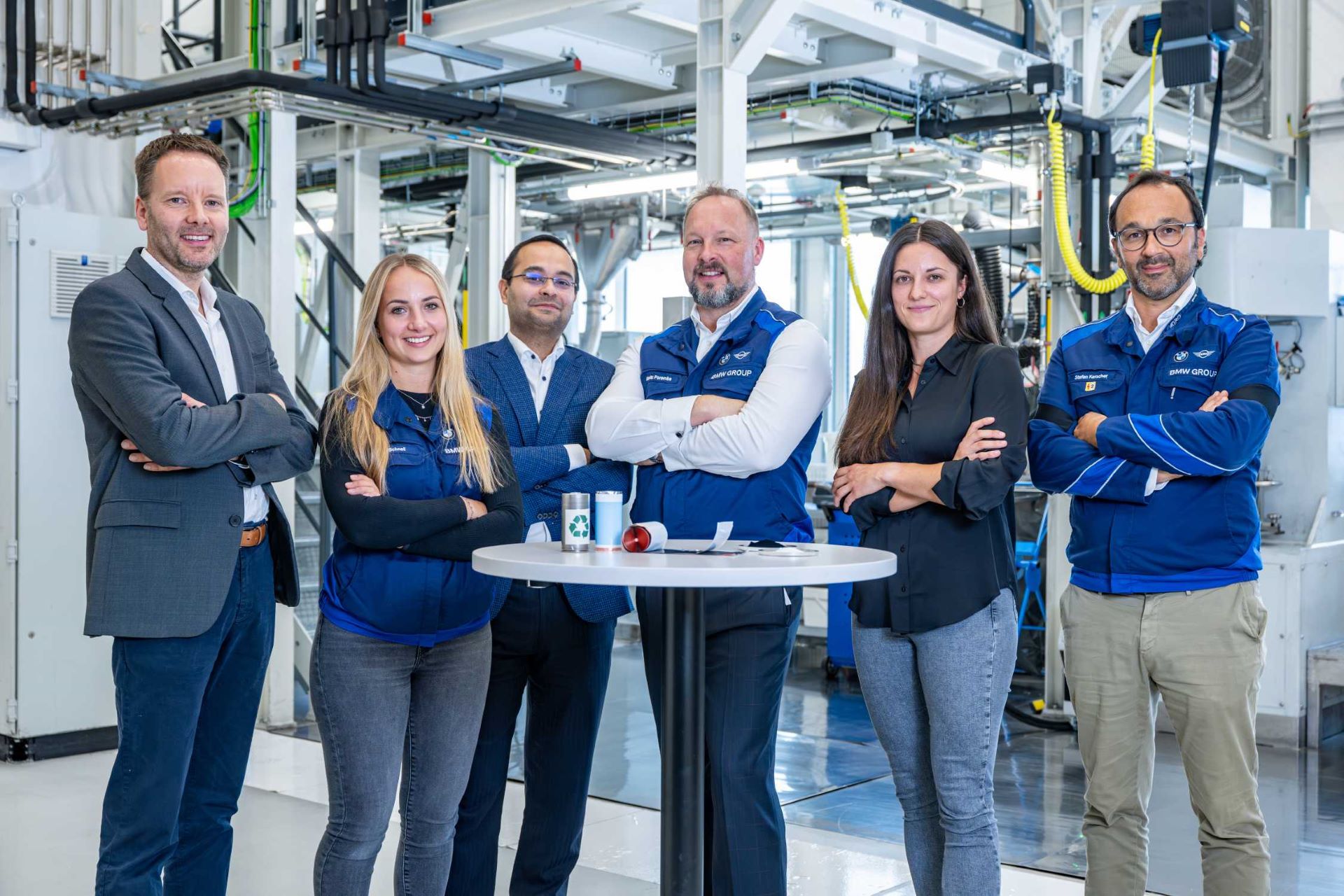
Encory, a joint venture between BMW and Interzero, is responsible for operating the facility, while BMW maintains ownership of the intellectual property behind the mechanical-recycling technology. Approximately 20 staff members oversee dismantling, logistics and material recovery on-site.
With demand for electric-vehicle batteries accelerating, securing stable supplies of critical materials is becoming increasingly essential. By demonstrating that high-value substances can be efficiently recovered without energy-intensive conversion processes, the Salching operation offers a practical model for a more resilient, low-emission industrial ecosystem. It highlights how regional circular-economy infrastructure can support both environmental goals and long-term manufacturing competitiveness at a crucial point in Europe’s transition to electric mobility.
Staff Writer
Reporting from the front lines of the automotive industry, delivering expert analysis and the technical updates that drive the South African motor sector forward.