A glitch that raised bigger questions
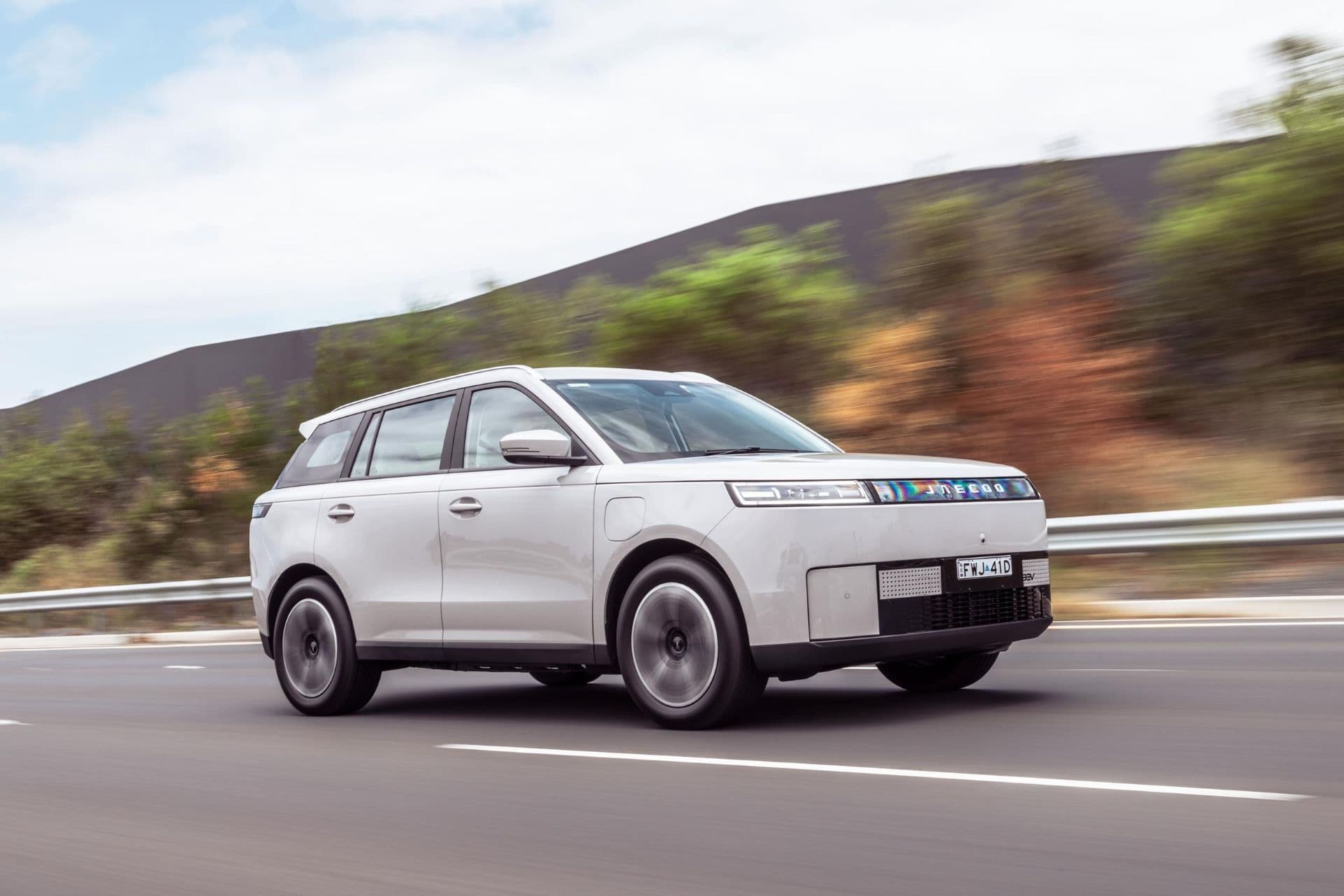
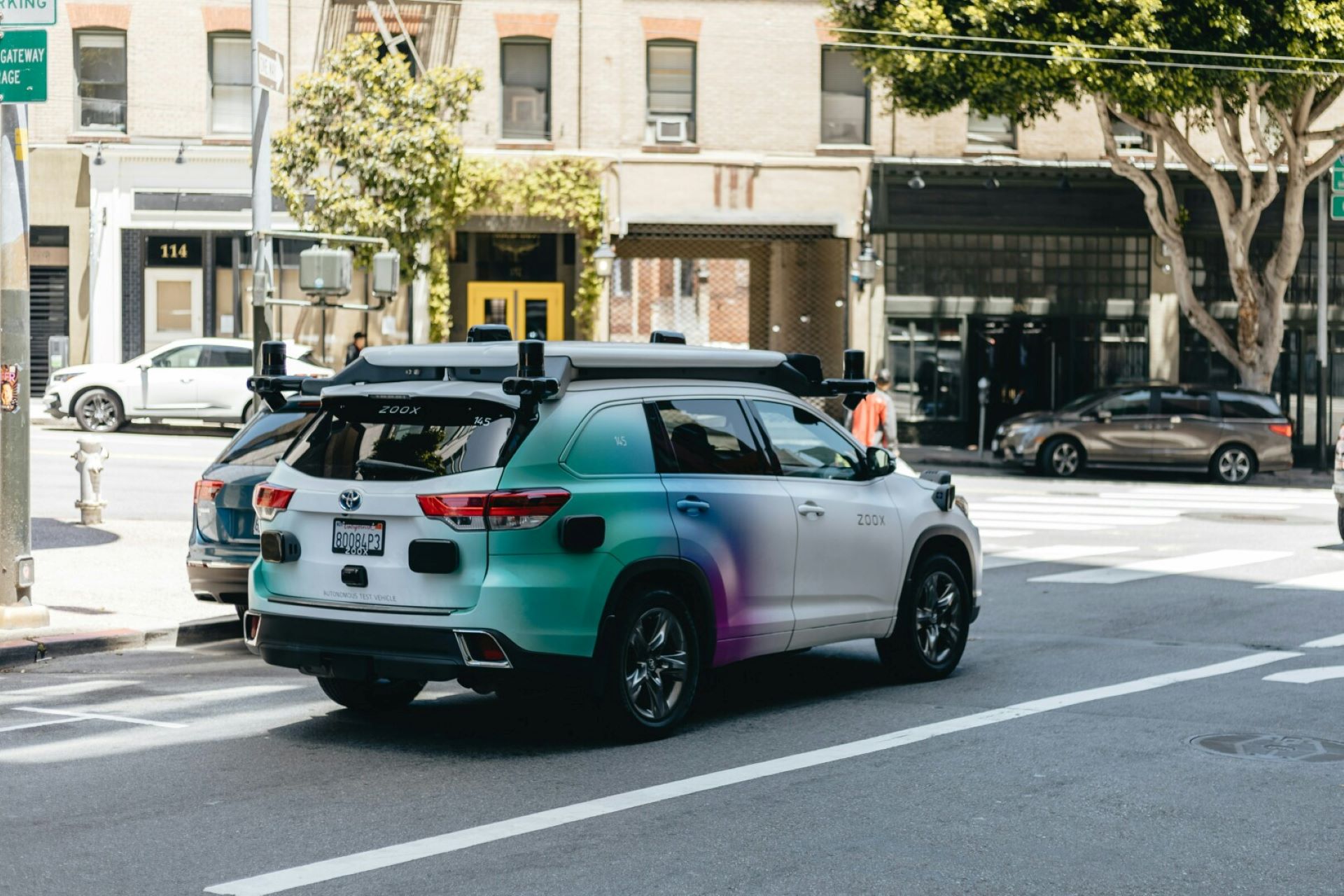
A routine traffic stop in California recently revealed a critical flaw in the regulation of self-driving vehicles. Police pulled over a ride-hailing company’s autonomous car after it executed an illegal U-turn. While the manufacturer blamed a system glitch, officers were left uncertain: how do you issue a citation to a machine?
Enforcement without accountability
MasterDrive CEO Eugene Herbert explains: “While they could stop the vehicle and issue a warning, there is no legal framework to uphold a citation against ‘a machine’ or driverless vehicles.” Between 2019 and June 2024, nearly 4 000 autonomous vehicle incidents involving injuries or fatalities were recorded in the US. Yet traffic violations that don’t result in crashes often go untracked, leaving enforcement gaps and eroding public trust.
Lessons for South Africa
South Africa is far from ready for autonomous cars, lacking essentials such as reliable 5G coverage, clear road markings, and a stable power grid. Herbert stresses that lawmakers must also establish legal frameworks for liability, enforcement, and accountability before autonomous vehicles can safely enter local roads. Unlike California, South Africa’s laws already prevent driverless cars from operating until regulations are in place.
Trust and confidence at stake
Globally, passengers surrender control to autonomous vehicles on the assumption that they are rigorously tested and legally compliant. Failures like California’s incident undermine confidence. As Herbert concludes: “The path to fully autonomous vehicles requires more than technological innovation but also a legal framework that can keep pace with the technology it governs.”
Staff Writer
Reporting from the front lines of the automotive industry, delivering expert analysis and the technical updates that drive the South African motor sector forward.