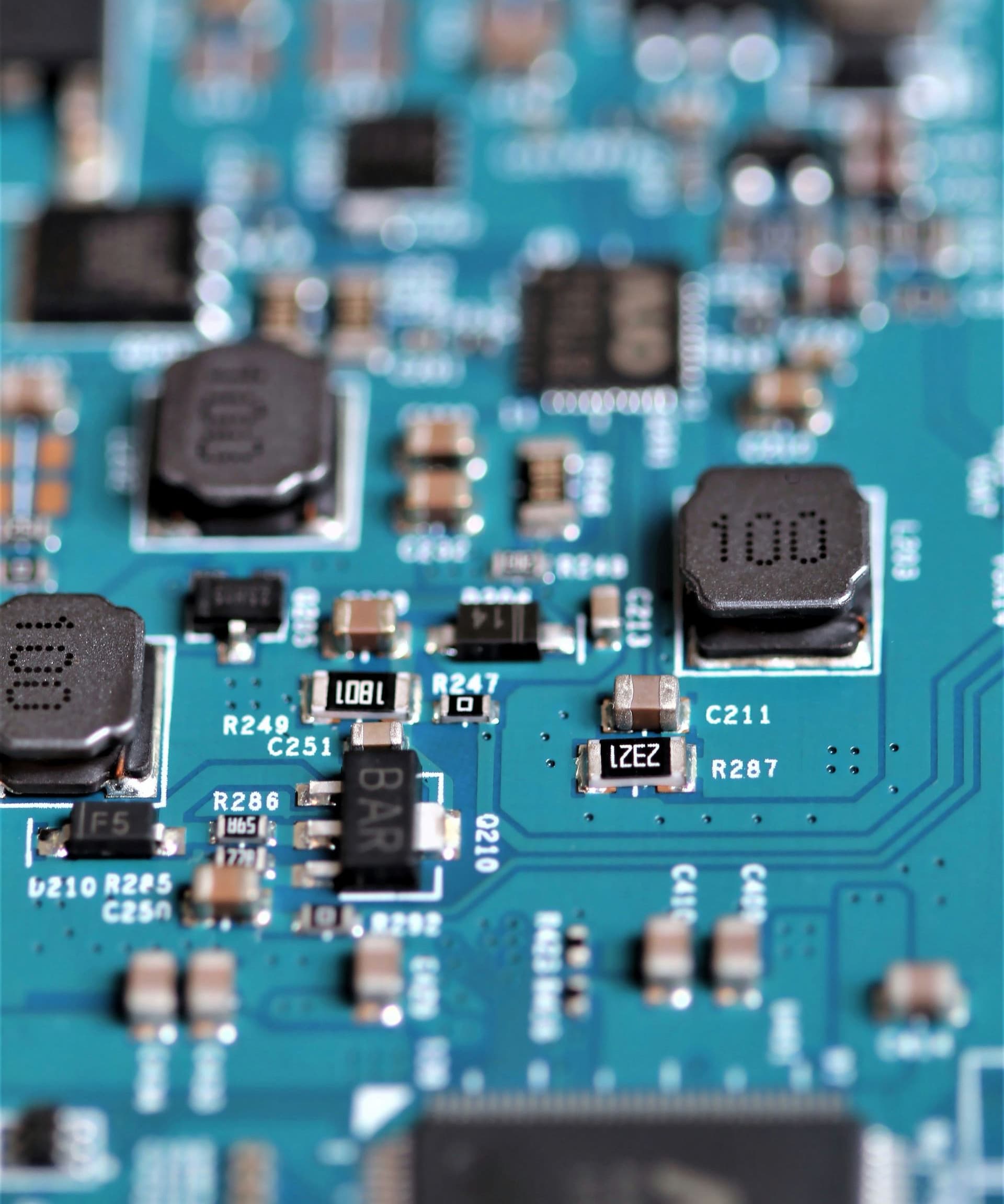
A newly published analysis from MarketsandMarkets projects the global automotive semiconductor market will surge to $133.05 billion by 2030, up from $77.42 billion in 2025. This 11.4% compound annual growth trajectory reflects the automotive industry's fundamental shift towards electrification and intelligent vehicle systems.
Semiconductors have become the backbone of contemporary vehicle design, enabling everything from power management and real-time processing to environmental perception. The push towards zero-emission transport, combined with regulatory pressures and advancing autonomous technologies, is dramatically increasing the chip content in every vehicle manufactured.
Emerging materials including Silicon Carbide and Gallium Nitride are revolutionising power electronics, offering superior efficiency for the demanding high-voltage architectures required in electric drivetrains. These technological advances are proving essential for manufacturers seeking competitive advantages in energy management and system performance.
The sensor segment is forecast to outpace all other semiconductor categories in growth rate. This surge reflects the expanding deployment of Advanced Driver-Assistance Systems, which depend on comprehensive sensor arrays—encompassing radar units, LiDAR systems, ultrasonic detectors, and imaging devices—to create detailed environmental awareness. Such technologies underpin critical safety functions including collision prevention and adaptive cruise control.
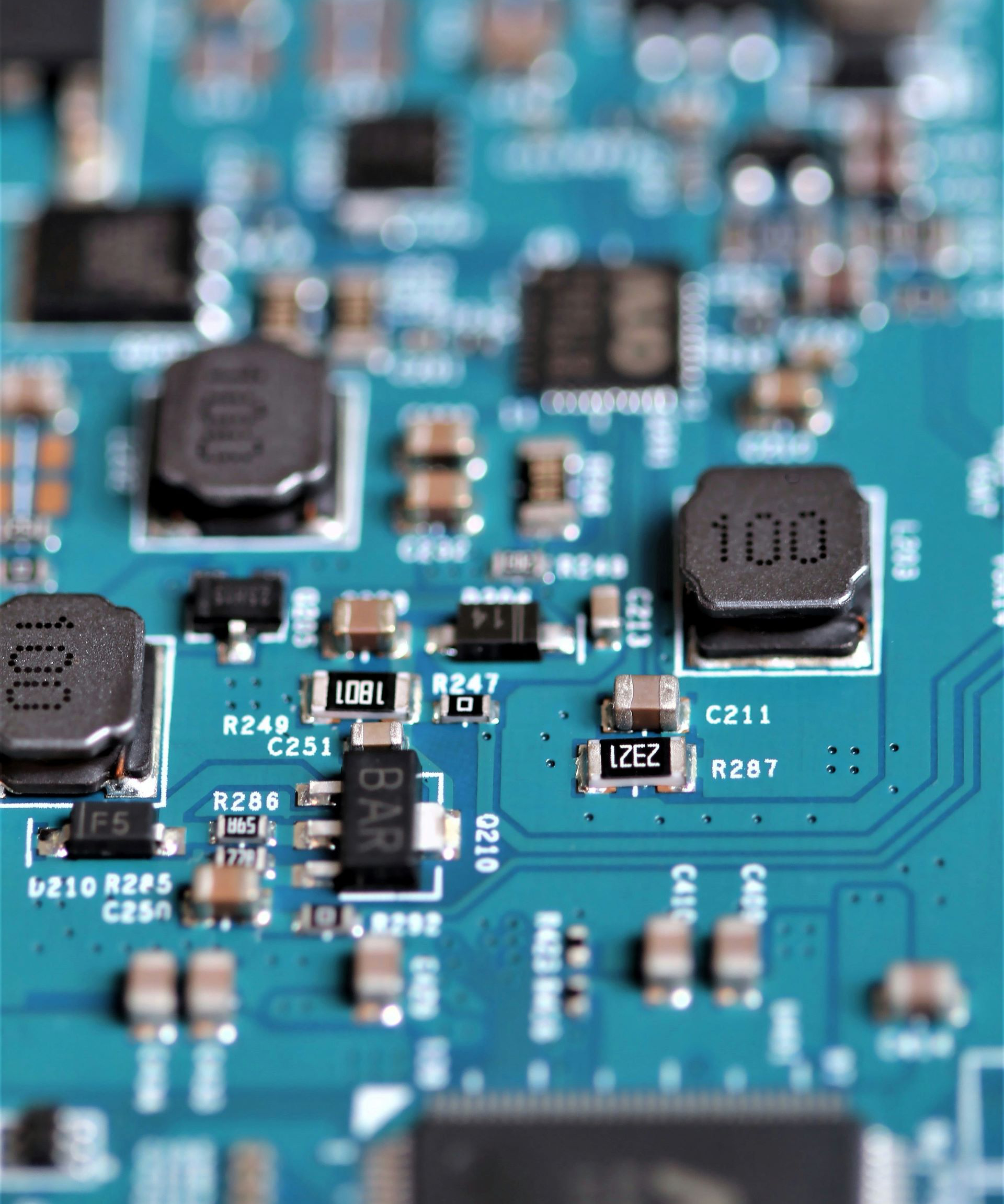
Beyond safety applications, sensors serve crucial functions in electrified vehicles, continuously monitoring battery status and regulating thermal systems to ensure optimal performance and longevity.
Despite accelerating electrification trends, internal combustion engine vehicles are anticipated to command the largest market share through 2030. This reflects ongoing dominance in cost-sensitive markets and regions where charging infrastructure remains underdeveloped.
Traditional vehicles increasingly incorporate sophisticated semiconductors for emission compliance, fuel economy optimisation, and enhanced driver experience through connectivity and assistance features.
The Asia Pacific region is positioned to capture the dominant market share, leveraging robust manufacturing ecosystems in China, Japan, South Korea, and India. These nations are simultaneously advancing electric vehicle production and building domestic semiconductor manufacturing capacity.
Leading suppliers including Infineon Technologies, NXP Semiconductors, STMicroelectronics, Texas Instruments, and Renesas Electronics are pursuing strategic collaborations and innovation initiatives to address the sector's evolving requirements and secure their positions in this rapidly expanding market.
Staff Writer
Reporting from the front lines of the automotive industry, delivering expert analysis and the technical updates that drive the South African motor sector forward.