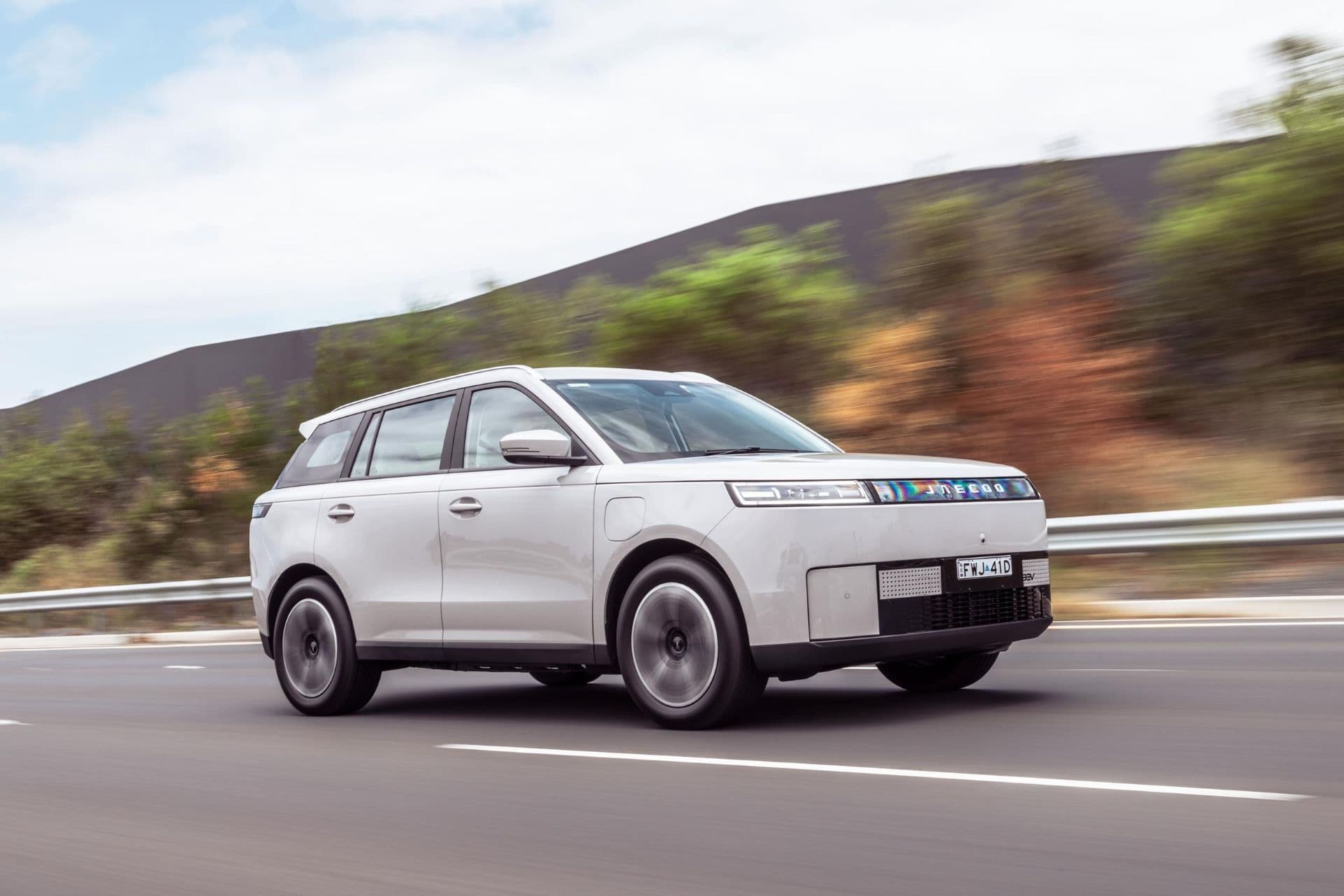
Automotive executives are preparing for a dramatic decline in American electric vehicle sales following the removal of a crucial R135,000 tax break for buyers.
"It's a game-changer," Ford chief executive Jim Farley said during a Detroit event on Tuesday, just hours before the federal subsidy expired.
Farley said he wouldn't be surprised if electric car sales drop to 5% of total US vehicle sales next month. That would be roughly half the level from August – a monthly record as consumers rushed to take advantage of the credit – and amongst the lowest levels in several years.
"The EV market is going to collapse in October," said Christian Meunier, chairman of Nissan Americas. Japan's Nissan is still rolling out a redesigned version of its Nissan Leaf small EV in America, but Meunier expects tough competition as rival carmakers struggle to find buyers for their electric cars.
"That competition is going to be super-brutal, because there is a lot of stock. Our competitors have built a lot of EVs," Meunier told Reuters in an interview on Tuesday.
The Tax Credit's History
Congress approved a R135,000 tax credit in 2008 for buyers of electric cars and plug-in hybrid vehicles. The 2022 Inflation Reduction Act extended the credit, whilst also limiting eligibility to EVs built in the US that use certain levels of domestically sourced batteries and materials.
American President Donald Trump's tax-cut and spending bill, signed into law in July, set the 30 September expiration. His administration has taken other steps that could slow momentum for EVs, such as pausing the fines that car companies pay for failing to hit fuel-efficiency regulations. Trump campaigned last year on ending former President Joe Biden's "EV mandate."
Electric vehicle registrations could fall 27% without the tax credit, according to a joint study in November 2024 from professors at the University of California, Berkeley, Duke University and Stanford University.
A Surplus of Unsold EVs
The United States already lags other major car markets in EV adoption. In China, the global leader in EVs and production of batteries and their raw materials, sales of electrics and plug-in hybrids have surpassed 40% in recent months. Europe's penetration rate has hovered close to 20%.
Even with the American tax credit in place, sales growth in electric cars had decelerated in the past two years, before the deadline rush this past summer. That slowdown occurred despite carmakers launching a slew of new EV models. Electric vehicle sales rose just 1.5% in the first half of this year from a year earlier, according to Cox Automotive.
Some dealers worry that the removal of the R135,000 tax credit will saddle them with unsold EVs.
Scott Kunes, chief operating officer of a US Midwest dealer group, said his group would take fewer EVs from manufacturers in the near term as his team waits to see how consumer demand shakes out.
Brad Sowers, who owns dealerships in the St Louis, Missouri, area that sell Chevrolet, Jeep and other brands, said he thinks more affordable EVs will continue to sell. But he worries that pricier models such as General Motors' Chevy Silverado electric pickup lorry – which can top R1.6 million – will struggle.
Staff Writer
Reporting from the front lines of the automotive industry, delivering expert analysis and the technical updates that drive the South African motor sector forward.