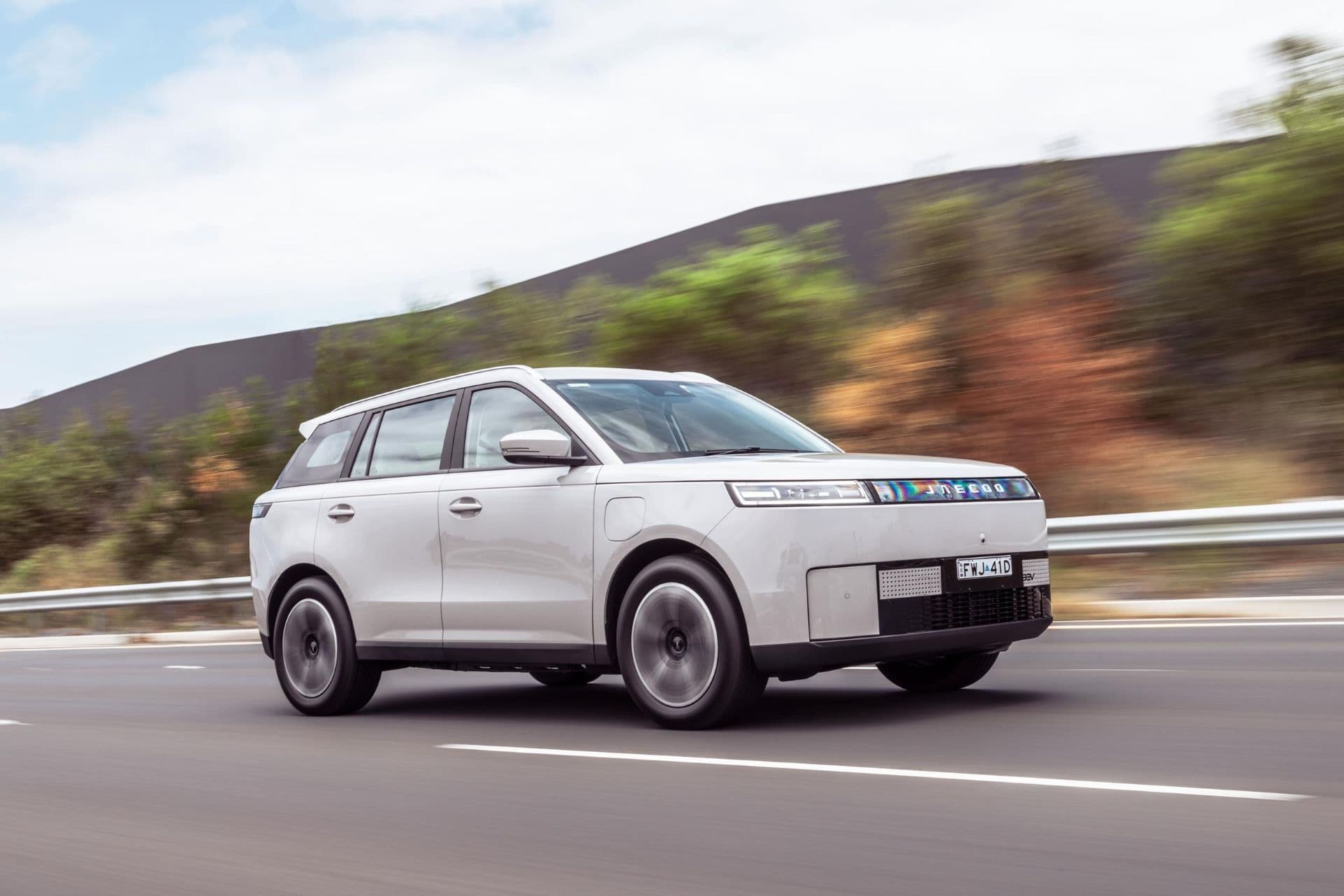
Global automakers are undergoing a painful correction as the electric-vehicle boom they once anticipated fails to materialise at the scale expected.
Across the sector, companies have collectively absorbed around R1.03 trillion (±$55 billion) in write-downs after years of overly ambitious investment in EV platforms, factories and battery partnerships. What was envisioned as a swift transition to all-electric mobility has instead collided with consumer caution, shifting political landscapes and increasingly fierce competition, particularly from China.
Stellantis remains the most striking example of this industry-wide reckoning. The group has recorded R490 billion (±$26.2 billion) in impairments linked to cancelled models, shelved platforms and restructuring measures designed to reset its electrification strategy. The company’s setbacks highlight how misjudging buyer appetite for EVs—especially in North America—has left it with costly assets that now hold far less value than planned. Investors responded harshly, wiping out more than a quarter of the firm’s market value following the announcement.
Ford has confronted a similarly bruising reality. After aggressively scaling up its EV division, the company has confirmed R365 billion (±$19.5 billion) in write-downs, primarily due to the cancellation of high-profile projects such as the F-150 Lightning and renewed emphasis on hybrid and petrol vehicles. Slower sales, high production costs and waning policy incentives have forced Ford to rethink its long-term trajectory, acknowledging that early expectations for rapid mass adoption were premature.
General Motors has also joined the retreat, incurring R112 billion (±$6 billion) in charges related to scaled-back EV production and financial settlements with suppliers. These developments have shattered the assumption that legacy manufacturers could seamlessly pivot to fully electric line-ups within a decade. Instead, demand has proved highly sensitive to both pricing and infrastructure readiness.
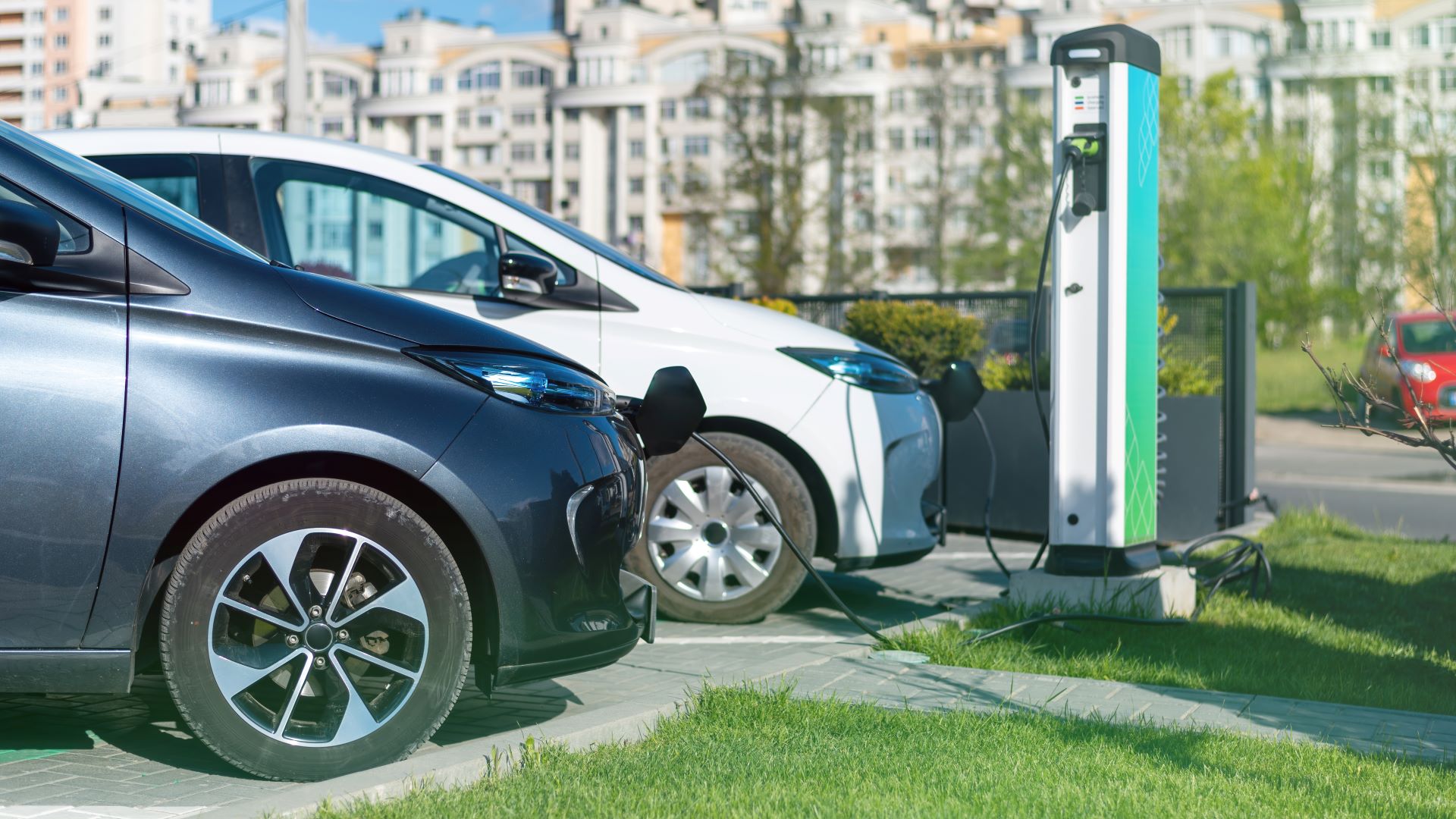
Central to the broader downturn is a significant cooling of consumer interest, most evident in the United States. Despite years of subsidies, EVs accounted for just 7.8 percent of the US market in 2025, slipping from the previous year and undermining forecasts of rapid mainstream uptake. Charging anxieties, economic pressures and inconsistent policy signals have all contributed to hesitation among buyers. At the same time, the rollback of federal incentives and emissions penalties destabilised pricing strategies, pushing manufacturers to reconsider expansion plans.
Honda, once committed to selling two million EVs annually by 2030, has been forced into a major rethink after reporting R32 billion (±$1.7 billion) in write-offs over the first nine months of its financial year. Its setback stems partly from joint projects with GM that failed to meet expectations, prompting Honda to initiate a deep strategic review and pivot back towards hybrid technologies.
Yet despite these mounting losses, the industry is not abandoning electrification. Instead, automakers are regrouping, emphasising affordability, efficiency and realistic timelines. Companies are channelling profits from conventional models into developing less costly EVs, while Toyota’s diversified approach—balancing hybrid, petrol and electric—has become an increasingly influential template.
The current upheaval marks not the end of the EV transition but the beginning of a more measured, economically grounded phase—one more closely aligned with what consumers are genuinely ready to adopt.
Staff Writer
Reporting from the front lines of the automotive industry, delivering expert analysis and the technical updates that drive the South African motor sector forward.