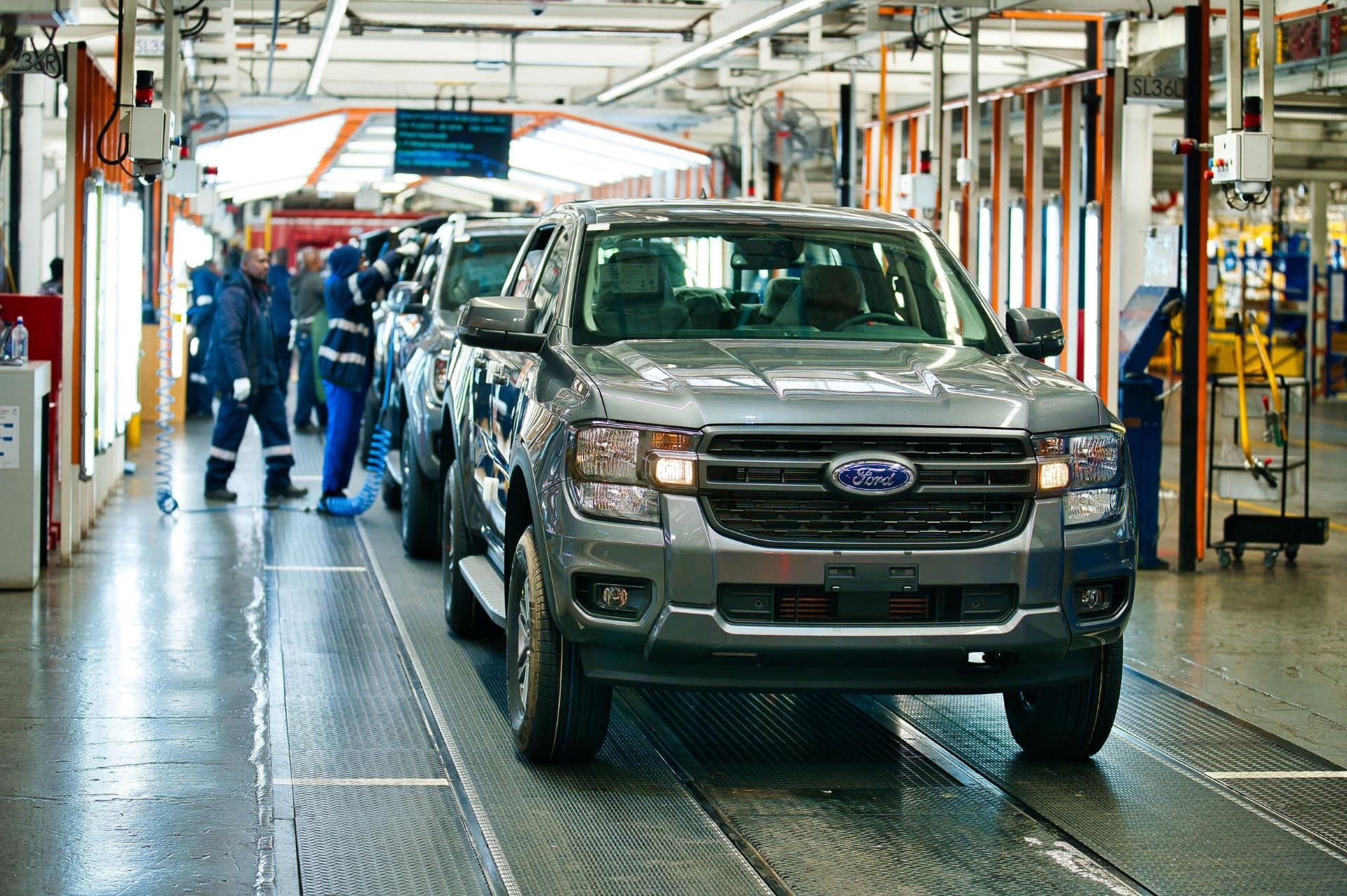
Artificial intelligence (AI) has become the buzzword in automotive manufacturing, promising a future of flawless production and unprecedented efficiency. From predictive analytics to automated inspections, AI is reshaping the way vehicles are built. Yet, as the industry embraces this technological revolution, the reality is proving far more nuanced than the glossy forecasts suggest.
The Allure of Intelligent Production
The concept of zero-defect manufacturing has long been the holy grail for carmakers. AI offers a tantalising solution by leveraging machine learning and computer vision to detect imperfections invisible to the human eye. Ford’s AiTriz and Hyundai’s advanced vision systems exemplify this trend, using high-resolution cameras and algorithms to monitor assembly lines in real time. These systems aim to prevent costly errors before vehicles roll off the production floor, reducing warranty claims and protecting brand integrity.
The Harsh Reality of Recalls
Despite these advances, the industry continues to grapple with soaring recall numbers. In 2025, global recalls reached alarming levels, with millions of vehicles affected. Ford alone recorded 94 separate recalls, a stark reminder that even cutting-edge AI cannot guarantee perfection. While AI excels at identifying physical flaws, its limitations become evident in the era of software-defined vehicles, where complexity multiplies exponentially.
Research by Upstream indicates that 70 per cent of recalls since 2020 could have been mitigated through proactive AI-driven diagnostics and connected vehicle data. This finding highlights both the promise of predictive technologies and the gap between theoretical capability and practical deployment.
The Achilles’ Heel
As cars evolve into rolling computers, quality assurance extends beyond bolts and panels. Tesla’s largest recall of 2025, involving half a million vehicles, was triggered by a critical fault in its Full Self-Driving software. Unlike mechanical defects, software glitches can cascade across entire fleets in an instant, amplifying risk and regulatory scrutiny. This shift underscores the urgent need for robust AI governance and rapid-response mechanisms to contain systemic failures.
AI’s Expanding Role
Beyond the factory floor, AI is transforming recall management and customer engagement. Platforms such as BizzyCar automate vehicle identification number (VIN) checks, schedule repairs, and communicate with owners through digital channels. This innovation tackles a persistent challenge: historically, only around 60 per cent of recalled vehicles are ever repaired. By streamlining processes, AI enhances compliance and improves customer satisfaction—a win-win for manufacturers and consumers alike.
Looking Ahead
Industry analysts agree that AI will become indispensable for predictive maintenance, defect detection, and supply chain optimisation. However, technology alone cannot deliver the utopian vision of zero-defect manufacturing. Success will hinge on transparent algorithms, rigorous oversight, and a cultural shift towards data-driven decision-making. Manufacturers must also invest in resilient software architectures to mitigate the cascading risks inherent in connected and autonomous vehicles.
For now, AI-powered factories remain a paradox: a beacon of innovation shadowed by persistent vulnerabilities. As automakers race to refine these systems, one truth is clear—quality in the modern automotive landscape is no longer a matter of craftsmanship alone; it is a contest fought in code, data, and governance.
Staff Writer
Reporting from the front lines of the automotive industry, delivering expert analysis and the technical updates that drive the South African motor sector forward.