October 31, 2025 — Poland has secured its position as the world's seventh-largest automotive parts exporter, supplying components to leading vehicle manufacturers across North America, Europe, and Africa.
The country's competitive advantage stems from its combination of precision engineering, stringent quality control, and cost-effective production. As global supply chains face potential disruptions from geopolitical tensions in the Far East, Poland offers an increasingly attractive alternative for international buyers.
"Poland can serve as a reliable and stable partner for international markets, delivering high-quality products at competitive prices," noted Paweł Orzechowski of the Polish Automotive Group.
Expanding Global Footprint
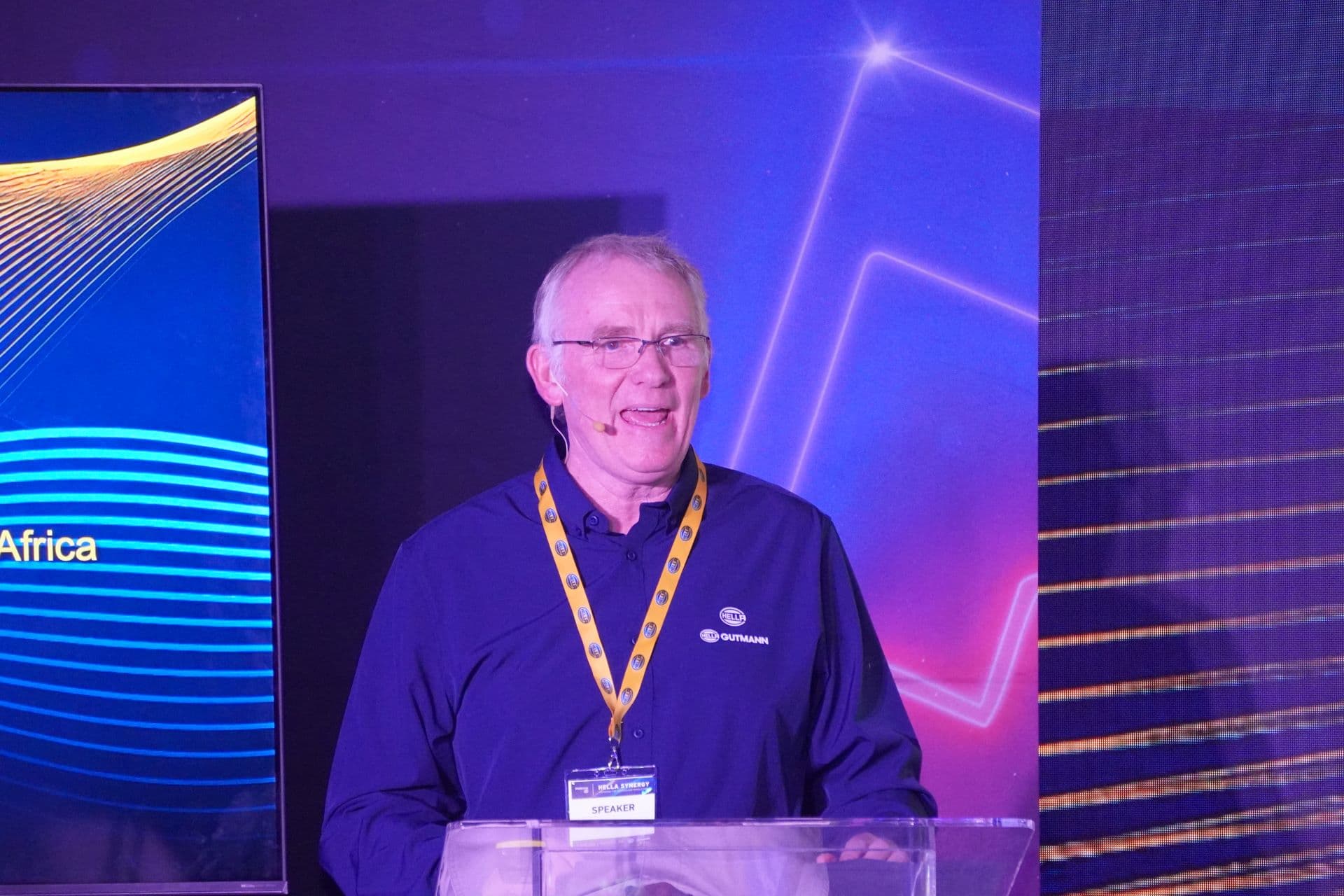
Polish automotive companies have been actively pursuing international partnerships. Recent initiatives include participation in the AAPEX trade fair in the United States and multiple engagements in South Africa, where the Polish Investment and Trade Agency (PAIH) has facilitated connections between Polish suppliers and local manufacturers through events like the NAACAM Show and Automechanika Johannesburg.
Diverse Manufacturing Capabilities
The sector's product range spans traditional aftermarket parts, automotive chemicals, LPG/CNG systems, and metalworking equipment. Poland's remanufactured parts market alone reached PLN 1.7 billion in 2024, expanding at 6.5% annually.
Polish manufacturers are also advancing into next-generation technologies, developing electric vehicle charging infrastructure, zero-emission vehicles, and intelligent energy management systems for individual and fleet applications.
Leading Alternative Fuel Innovation
Poland has established itself as Europe's LPG technology leader, with over 3.5 million gas-powered vehicles—nearly 13% of its national fleet. In 2024, LPG vehicle registrations exceeded 125,000, significantly outpacing electric and hybrid vehicle adoption.
The environmental impact is substantial: LPG vehicles reduce CO₂ emissions by 12–23% compared to petrol engines, cut nitrogen oxide emissions by 50–75%, and decrease particulate matter by over 80%. Poland's LPG fleet prevents approximately 1.16 million tons of CO₂ emissions annually—equivalent to the carbon footprint of a city comparable to Cape Town.
Strategic Support Infrastructure
PAIH coordinates Poland's export promotion through 60 international trade offices, while industry associations including the Polish Automotive Group and the Association of Automotive Parts Distributors and Manufacturers provide market intelligence and advocacy. Through membership in CLEPA and FIGIEFA, Polish companies influence European automotive policy development.
With modern facilities meeting international standards and established distribution networks spanning multiple continents, Poland continues strengthening its role as a strategic supplier in the evolving global automotive industry.
Staff Writer
Reporting from the front lines of the automotive industry, delivering expert analysis and the technical updates that drive the South African motor sector forward.